People ask me regularly what to do in KL for a short visit, and I always find it slightly difficult to answer — not because there isn’t enough, but because there’s so much that the answer depends entirely on who you are and what you’re here for. This guide is my attempt to give you a first-timer’s framework: how to approach a few days in KL without wasting time on the wrong things or missing what actually makes the city worth visiting.
I’ve lived here long enough that I’ve forgotten what it’s like to see it for the first time. But I’ve also hosted enough visitors to understand what lands well and what doesn’t. This is what I tell people when they ask.
What KL Is Actually Like
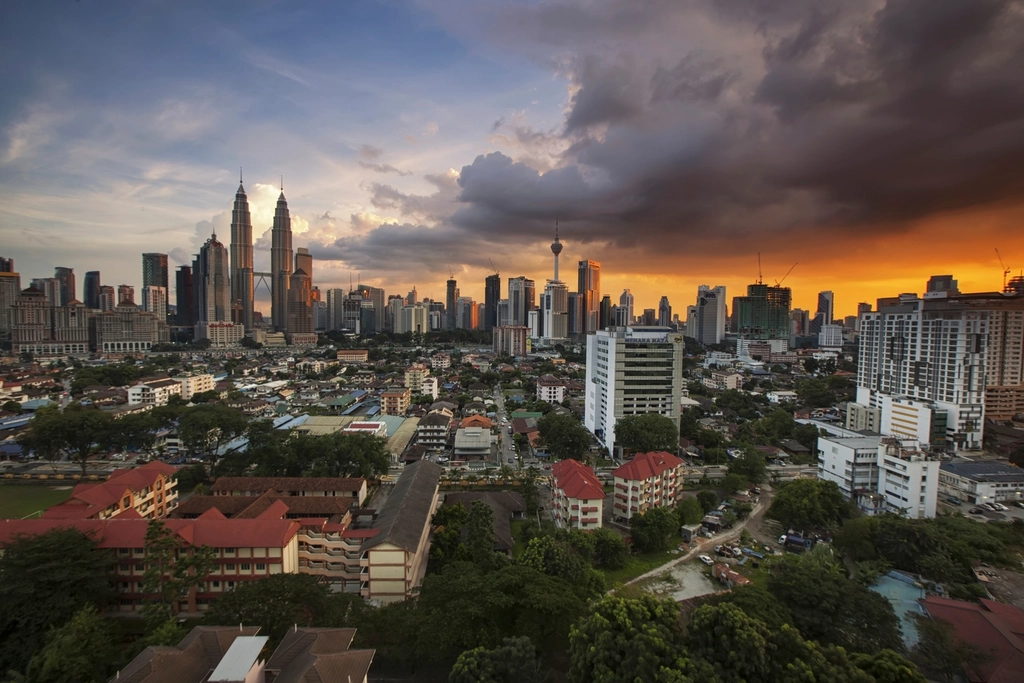
Kuala Lumpur is not a perfectly curated tourist city. It’s a real, functioning, chaotic metropolis of 8 million people spread across an enormous conurbation, with pockets of extraordinary architecture, history, food, and green space scattered among the sprawl. It’s also one of the easiest cities in Southeast Asia to navigate as a first-time visitor — English is widely spoken, Grab (the regional Uber equivalent) is seamless, and the mix of cultures makes it genuinely hospitable to outsiders.
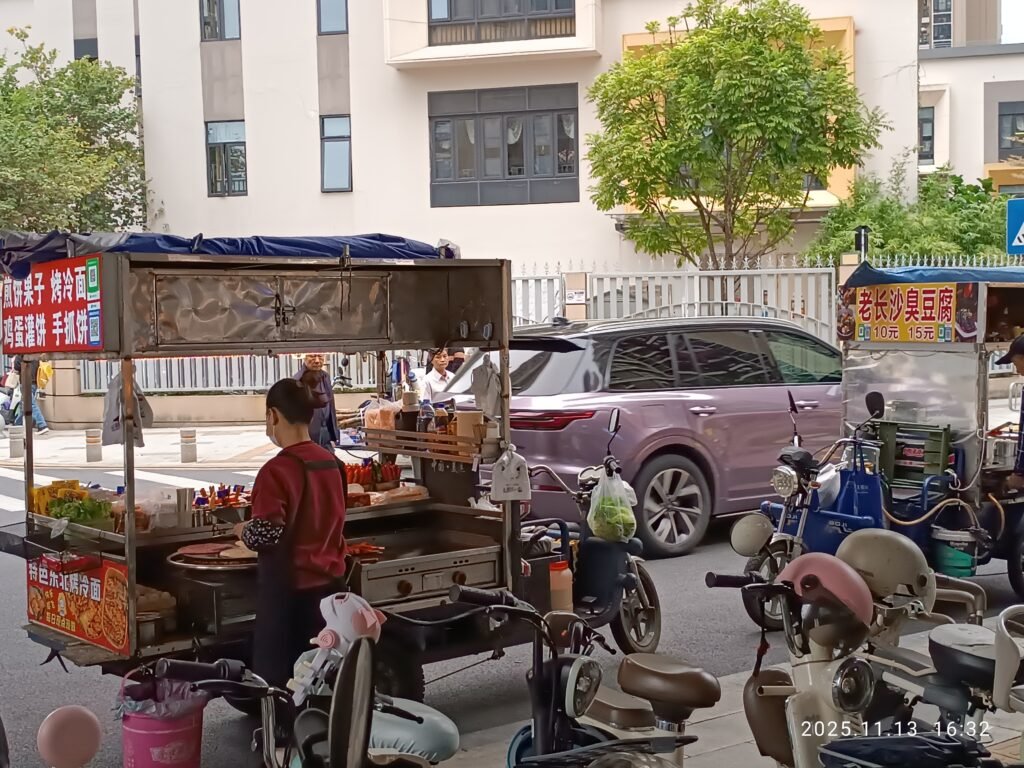
The city rewards curiosity. The best experiences here are not in the famous sights (though some of those are genuinely worth your time) — they’re in the hawker centres at 8pm, in the kopitiam where you eat a RM7 breakfast and watch the neighbourhood wake up, in the back streets of Chinatown and Kampung Baru. That’s the version of KL I want first-time visitors to experience.
How to Spend Your First 24 Hours
Morning: KLCC and the Towers
The Petronas Twin Towers are unmissable, and not just because they’re so visible from everywhere else. Visit the KLCC park first — it’s free, beautiful, and gives you the classic tower reflection shots without going inside. Then decide whether to go up: the Skybridge (between the towers at floors 41–42) and Observation Deck (floor 86) are ticketed and require booking in advance. The Skybridge is the more distinctive experience — walking between two of the world’s tallest towers — but the Observation Deck has better views. Do one or the other, not both.
The Suria KLCC mall at the base of the towers is enormous and mostly expensive — skip the shopping but use it to get to the Aquarium and grab a coffee before moving on.
Afternoon: Petaling Street and Chinatown
Take a Grab down to Chinatown — Petaling Street and the surrounding blocks. This is one of the oldest parts of KL, and walking the streets here feels markedly different from the gleaming towers and malls. Browse the market stalls on Petaling Street (the prices start high, haggling is expected), duck into Sri Mahamariamman Temple (one of the oldest Hindu temples in KL, open to respectful visitors), walk down Jalan Petaling and into the smaller streets off it.
The Central Market (Pasar Seni) is a few minutes’ walk away — a renovated heritage building selling Malaysian crafts, batik, art, and souvenirs. Better quality than the street stalls for gifts.
Evening: Hawker Dinner
Don’t eat dinner in your hotel or in a mall restaurant on your first night in KL. Go to a hawker centre. Jalan Alor in Bukit Bintang is the most famous night food street — touristy, yes, but packed with stalls cooking live at extremely low prices. Order char kway teow (wok-fried flat noodles), satay, oyster omelette, cold drinks. Sit at a plastic table in the warm night air. This is the KL experience.
Day 2: The City’s Layers
Morning: A Kopitiam Breakfast
Start with a proper Malaysian breakfast at a kopitiam — old-school Chinese-style coffee shop. Kopi (sweet Malay coffee), half-boiled eggs with dark soy and white pepper, and roti bakar (toasted bread with kaya butter). This combination has been eaten in KL kopitiams for over a hundred years and costs around RM8. Ask a local or your Airbnb host for the nearest kopitiam rather than looking it up — they’ll point you somewhere real.
Midday: Batu Caves
The Batu Caves are 13km north of the city centre and easily reached by Grab or by the KTM commuter rail (Batu Caves station, direct line). The central cave — Cathedral Cave — is reached by 272 colour-painted steps and is genuinely spectacular: a limestone cave cathedral with natural skylights and Hindu shrines built into the rock. It’s a real place of worship, not just a tourist attraction, so dress modestly (sarongs are available at the entrance) and respect the space.
Go early (before 10am) or late afternoon to avoid the worst of the heat and the tour group crowds. The cave itself is cool inside.
Afternoon: Bukit Bintang
Bukit Bintang is KL’s entertainment and shopping district. Pavilion KL and the surrounding malls are where you go for air conditioning, international brands, and the full upscale KL mall experience. For something more interesting, walk the backstreets — Changkat Bukit Bintang has bars and restaurants in converted shophouses, and the side streets off Jalan Bukit Bintang have street food stalls, independent shops, and a much more local character than the malls themselves.
Evening: Rooftop Drinks
End your second evening with a rooftop drink — preferably somewhere with a view of the Twin Towers lighting up. Heli Lounge Bar (rooftop helipad in the Golden Triangle, with 360-degree views), Marini’s on 57 (57th floor of Menara 3 Petronas, most dramatic tower views in the city), or SkyBar at Traders Hotel (classic Twin Towers shot). These places are expensive by Malaysian standards but cheap by global city standards — you can have a cocktail here for RM35–50.
Day 3: Go Deeper
Option A: Islamic Arts Museum
Often overlooked in favour of the towers and Batu Caves, the Islamic Arts Museum Malaysia is one of the finest museums of its kind in the world. The architecture is extraordinary — domed ceilings, intricate geometric tilework, lush interior garden courtyards — and the collection covers Islamic art, architecture, and material culture from across the Muslim world. Admission is affordable and it’s rarely crowded. Give it a full morning.
Option B: Putrajaya Day Trip
Malaysia’s purpose-built federal administrative capital is 40 minutes from KL city centre by Grab or ERL train, and unlike anything else near the city. Enormous governmental buildings built in a mix of Islamic and postmodern architectural styles, set around an artificial lake. The Putra Mosque with its rose-granite dome, the Prime Minister’s office complex, and the various ministry buildings are all visible from the lakeside promenade. It’s a surreal, photogenic, fascinating place to spend a few hours.
Option C: Neighbourhood Walk
Walk Kampung Baru — a Malay village that somehow survived surrounded by skyscrapers, with traditional wooden houses, local restaurants, and a completely different character to the rest of KL. Or walk Bangsar, KL’s most liveable neighbourhood for expats, with excellent cafes, restaurants, and a Sunday farmers’ market at Bangsar Village. Or explore Chow Kit, KL’s wet market district — chaotic, local, fascinating, and completely untouched by tourism.
What to Skip on a First Visit
The Menara KL Tower observation deck is fine but not essential if you’re already doing the Petronas experience. The aquarium at KLCC is good for families but overpriced for adults. The National Museum (Muzium Negara) is worth visiting if you’re interested in Malaysian history but often feels underwhelming compared to the city’s living culture. Avoid tourist taxis — always use Grab.
Practical First-Timer Tips
- Get Grab before you arrive. It works from the airport, covers the whole city, and prices are low.
- Drink filtered or bottled water — tap water is technically treated but most people don’t drink it directly.
- Dress modestly for religious sites — Batu Caves, mosques, and temples. Shoulders and knees covered. This applies to all genders.
- Cash for hawker stalls — most hawker centres and street food vendors are cash only. ATMs are abundant.
- The heat is real — move between air-conditioned spaces strategically. Plan outdoor activities before 11am or after 4pm.
- Download Google Maps offline — the city is complex and connectivity isn’t always perfect.
🛫 Planning Your KL Visit
Agoda
Best hotel prices for KL — from budget guesthouses in Chinatown to KLCC five-stars with tower views.
Booking.com
Wide selection with flexible cancellation. Good if your dates might change.
Wise
Best exchange rate for ringgit. Use the Wise card to pay for everything, or withdraw from ATMs with low fees.
Some links are affiliate links. I earn a small commission if you sign up at no extra cost to you. I only recommend things I actually use.