Some links on this site are affiliate links. If you buy through them I get a small commission at no cost to you. Nothing here is recommended unless I’d genuinely recommend it.
Prices checked August 2026. Everything here is what I actually paid or was actually quoted, in ringgit, in Kuala Lumpur. Malaysia moves fast — check before you commit to anything.
Everybody warns you about the heat. Nobody warns you about the cheese.
You’ll arrive in Kuala Lumpur braced for the humidity, the traffic and the paperwork, and you’ll handle all three. Then about six weeks in you’ll be standing in a supermarket at nine at night holding a small, sweating block of imported cheddar, doing currency conversion in your head, and having a genuine moment about it.
So here’s the honest list. Not the “ooh, they don’t have Marmite” nonsense — they do, and it’s fine. This is the stuff that actually catches British people out, and what it costs when you find it.
First, the good news, because the balance really is in your favour
Eating out here is roughly five times cheaper than Britain. Not a bit cheaper. Five times.
A meal that would relieve you of fifty quid in a decent British restaurant costs about a tenner. A plate of nasi lemak — rice, sambal, egg, anchovies, the national breakfast and quite rightly so — is RM5. About a pound.
Our weekly shop runs RM300 to RM400, and that’s at Village Grocer, which is the posh one. Roughly Waitrose quality at Aldi prices. You could shop considerably cheaper if you wanted to, and half the country does.
So when I complain about cheese in a minute, hold that thought. The overall maths is enormously in your favour. I’m just an Englishman, and complaining about food while eating extremely well is close to a birthright.
Cheese
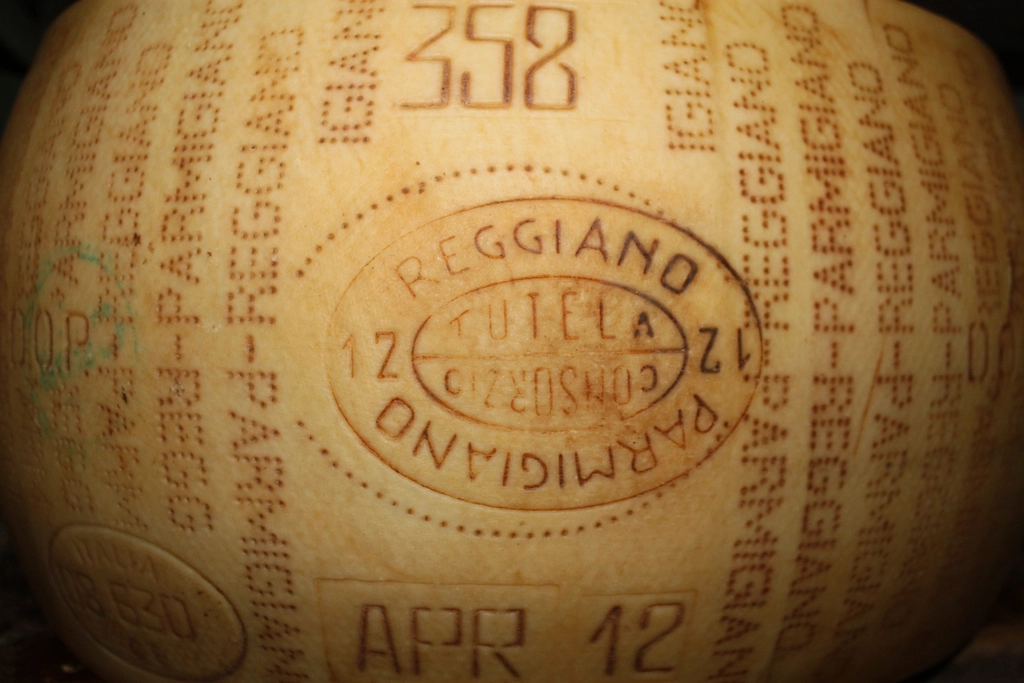
Here’s the thing that took me a while to understand: cheese isn’t scarce here because of some supply problem. It’s scarce because it isn’t part of the food culture. Dairy simply doesn’t feature the way it does in Northern Europe.
Which means every decent cheese in the country has been imported, refrigerated, shipped and marked up, for a fairly small number of customers who care.
You can get it. There’s a reasonable selection in the bigger supermarkets and the specialist places. You’ll just pay properly for it, and the range is narrower than you’re used to. If you have strong feelings about a particular regional cheddar, make your peace now.
The workaround: lean into what’s actually good here rather than chasing what isn’t. I have eaten better food for less money in Malaysia than anywhere I’ve lived. It just isn’t on a cheeseboard.
Bread, cakes, and the great Danish pastry problem
Good bakery exists in Kuala Lumpur. Genuinely good — the sourdough here is excellent, better than most of what I ate in London.
Two catches.
First, it’s concentrated in the more touristy and expat-heavy areas, so it isn’t necessarily near you.
Second — and this is the bit that stings — it’s priced at British prices. Not Malaysian prices. British ones. The people selling Danishes and decent loaves and proper cakes know exactly who’s buying them, and they are charging accordingly.
Which is fair enough. It’s just a strange feeling, standing in a country where lunch costs a pound, paying London money for a slice of cake.
Alcohol, or: the actual financial shock
This is the one to plan for. Everything else on this list is an inconvenience. This is a budget item.
Alcohol in Malaysia is roughly five times more expensive than in the UK. Yes — the exact inverse of eating out. The universe has a sense of humour.
Some real numbers:
- A bottle of gin that costs about £5 in the UK: around £25 here.
- The cheap cooking wine you’d pay £2 for: about £10.
- A pint in a decent bar: around RM35.
Malaysia levies some of the heaviest alcohol duty in the region, and you feel every sen of it. If you’re a two-bottles-of-wine-a-week household, put a real number in your budget before you move, because it will quietly undo a chunk of everything you’re saving elsewhere.
The upside, and I say this as someone who did not expect to be writing it: I drink considerably less than I did in England, and I feel better for it. Turns out the most effective health intervention of my life was a tax policy I had no say in.
The pattern, once you spot it
There’s a rule underneath all of this, and once you see it you can predict the price of anything.
Anything Europeans eat and locals don’t gets treated as a luxury import, and priced like one.
Cheese. Proper bread. Continental pastries. Wine. Breakfast cereal you recognise. Certain biscuits I’m not going to name because I’ll only upset myself.
Meanwhile everything that’s part of daily Malaysian life — the fruit, the rice, the noodles, the fish, the street food, the coffee — is superb and costs almost nothing.
Which gives you a straightforward choice. You can spend your money importing Britain at a considerable premium, or you can eat like you live here and spend a third of what you did at home.
I do about eighty per cent of the second and twenty per cent of the first, and the twenty per cent is mostly cheese. I’ve made my peace with being predictable.
What I’d actually tell you to do
Don’t fill your suitcase with food. You’ll feel silly, and most of it is available.
Do budget honestly for alcohol if you drink, because that’s the one that genuinely changes the sums.
And give it three months before you decide what you miss. Nearly everything I was precious about in month one, I’d stopped thinking about by month four — with one dairy-shaped exception.
For the full cost picture, here’s the honest breakdown of living here, plus a calculator that compares it to your UK spending. And if you want to know where to actually shop, this is the supermarket guide.
The same import-price logic applies to toiletries, incidentally. Familiar British brands are available at Watsons but you pay for the privilege, while the local equivalents are perfectly good and a third of the price. I have made my peace with unfamiliar shower gel.
FACTS CHECKED
✓ Eating out approximately 5× cheaper than the UK — Edward’s direct experience
✓ Nasi lemak around RM5 — Edward’s direct experience, consistent with typical hawker pricing
✓ Weekly shop RM300–400 at a premium supermarket — Edward’s actual spending
✓ Gin £5 UK → ~£25; cooking wine £2 → ~£10; pint ~RM35 — Edward’s direct experience
✓ Malaysia applies high excise duty on alcohol relative to the region — well documented
✓ Village Grocer used only as a quality comparison. It is Malaysian-owned (The Food Purveyor / Navis Capital) and is NOT connected to Waitrose — the comparison is descriptive only
⚠ Cheese and bakery pricing described in ranges, not fixed figures, as it varies widely by outlet
⚠ Prices move. Correct at time of writing, August 2026.
What the imported stuff costs, next to what the local stuff costs, is on the price list. The gap is the whole story.