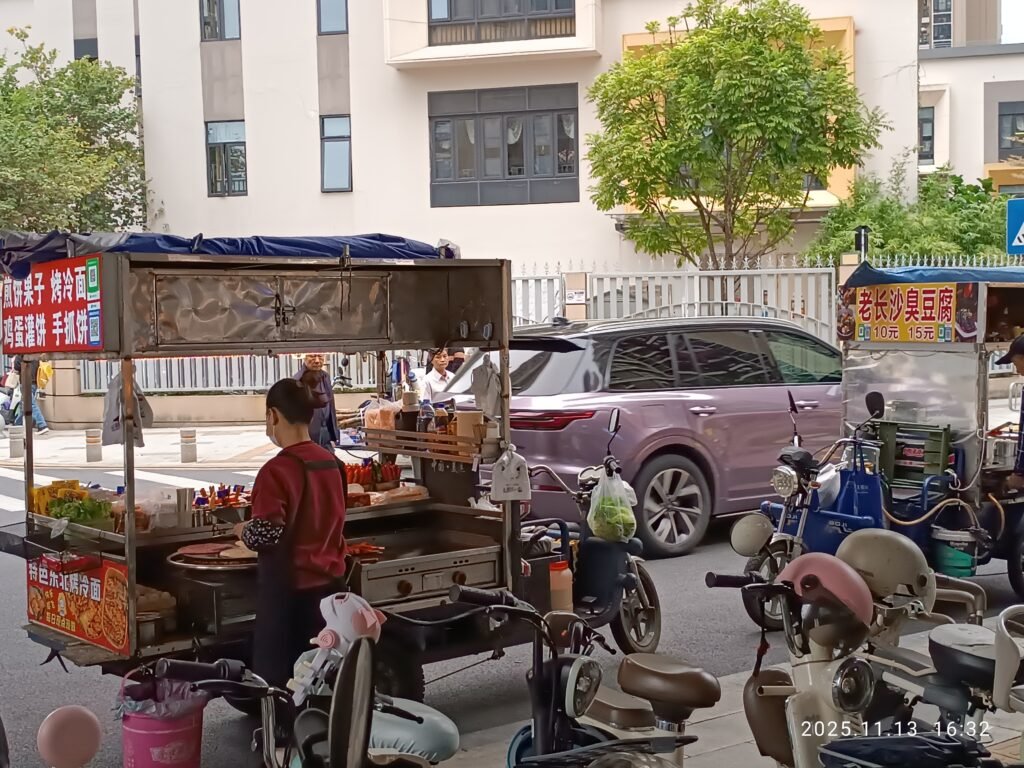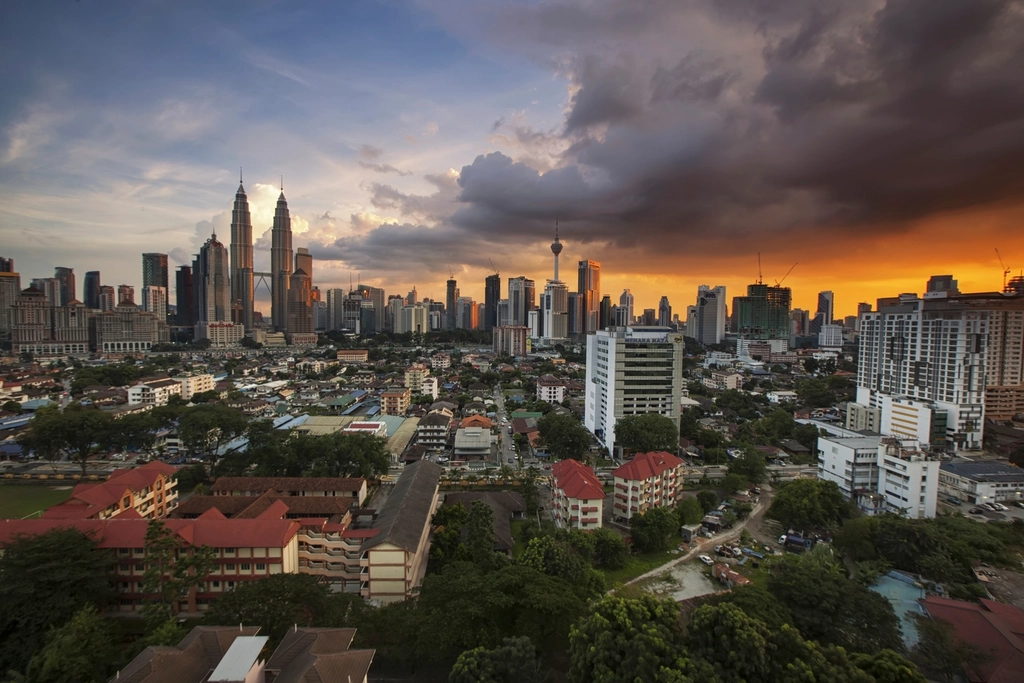
Nobody writes the honest version of expat life until they’ve been somewhere long enough to feel the rough edges. For the first six months in KL, I was posting what was essentially a highlight reel — the food was incredible, the weather was fine (I was lying to myself about the weather), the costs were low, the city was interesting. All of that was true. None of it was the whole picture.
Prices checked August 2026. Everything here is what I actually paid or was actually quoted, in ringgit, in Kuala Lumpur. Malaysia moves fast — check before you commit to anything.
This is the review I’d give after being here longer than the honeymoon period — after I’d dealt with the bureaucracy, renegotiated a lease in a language I don’t speak, spent a week with food poisoning in August, and figured out what I actually liked and didn’t like about living here. It’s still a positive overall — I’m still here, which says something — but it’s a more complete picture.
The Things Nobody Warns You About
The Heat Is Not Just Weather, It’s a Lifestyle
People say “KL is hot” and you nod and think: yes, I’ve been to hot places. Then you arrive and discover that 32°C with 85% humidity is a different category of hot from anything you’ve experienced before. Outdoor activity at midday is genuinely unpleasant. Walking any meaningful distance before 10am or after 6pm is the only way to do it comfortably. You will plan your entire life around the heat in ways you didn’t anticipate.
I gave up running outside almost immediately after arriving. Replaced it with air-conditioned gym sessions and early morning walks. I stopped drinking coffee at outdoor tables. I started planning routes between air-conditioned malls rather than enjoying the street. This is the normal adaptation that every KL expat makes — it’s not terrible, it’s just a real adjustment that takes longer than you’d expect.
The Rain Is Biblical
KL doesn’t have a dry season. It has a wet season and a slightly less wet season. The afternoon thunderstorms that hit the city most days aren’t just showers — they’re sudden, violent, temporary monsoons that flood roads, turn pavements into rivers, and bring Grab surge pricing to 3x before you’ve had time to look for cover. They last 30–60 minutes and then clear completely, leaving steam rising from the roads. After a year, you develop a sort of radar for them, but you’ll still get caught occasionally.
You’re Further from Home Than You Think
KL feels connected. The internet is fast, you can video call home, your UK streaming works through a VPN, the food is international, the city is modern. And then your mum has a health scare at 2am UK time (which is 10am KL time), or a close friend has a baby, or something happens that reminds you that you’re not 40 minutes away on the train anymore — you’re 13 hours away on a plane. That geographical distance is more emotionally significant than you account for in the planning stage.
The Bureaucracy Has Its Own Logic
Malaysian bureaucracy works, but it works on Malaysian time and by Malaysian rules, which are not always the rules you expect. Renewing a visa, converting a driving licence, registering a company, dealing with immigration — all of these are doable, but they involve queues, specific document requirements that aren’t clearly published anywhere, and occasional moments where the answer to “what do I do next” is “come back with a different form.” This is par for the course in most countries; it’s just worth knowing that Malaysia is not the exception.
The expat Facebook groups are invaluable here — someone has already done whatever you’re trying to do and posted about it.
Healthcare Is Good but You Need Insurance
Private healthcare in Malaysia is excellent — English-speaking doctors, modern hospitals, short waiting times, prices that are a fraction of US or Australian equivalents. But “a fraction of US prices” still means RM500–1,500 for a doctor visit plus tests, and specialist care or any hospital stay adds up fast. Don’t be the expat who arrives without health insurance and then discovers this the hard way. Get SafetyWing or a local private health insurance plan before you need it.
The Language Gap Is Real in Some Situations
KL is highly English-speaking — most people you encounter in service, retail, and professional settings will speak English comfortably. But in government offices, in some markets, with some taxi drivers, and in any situation involving paperwork, the assumption of English breaks down. Having a Malaysian colleague, friend, or WhatsApp contact you can call when needed makes a meaningful practical difference to daily life. Learning at least basic Malay (useful phrases guide here) is worth it beyond just politeness.
The Things That Are Better Than Expected
The Cost of Living Is Genuinely Low
This isn’t a myth inflated by selective comparison. A good meal at a hawker centre costs RM6–15. A private room in a decent neighbourhood apartment runs RM1,500–2,500/month depending on size and location. A ride-hailing journey across the city costs RM10–20. Grab food delivers full restaurant meals for RM20–35 including delivery. A cup of coffee at a specialty café costs RM12–18. The maths is just different from London, and that difference adds up to a meaningfully different quality of life at the same or lower income.
Even the “expensive” expat groceries at Jaya Grocer in Bangsar are a fraction of Waitrose. The city rewards you financially for being here.
The Food Never Gets Old
I’ve been here long enough to be genuinely picky and I’m still finding new things. The diversity of Malaysian food — Malay, Chinese, Indian, Nyonya, regional variations from Penang to Sarawak to Kelantan — means that the food scene rewards years of exploration. And the hawker centre that costs RM8 for a meal is often producing food that would cost £18 in London and be half as good. This part of the expat experience in KL lives up to the description.
The City Is Well-Connected Internationally
KLIA is one of Asia’s better airport hubs. Cheap flights across Southeast Asia mean that a long weekend trip to Bali, Bangkok, or Hanoi is genuinely easy and affordable. Japan, Korea, Australia, and the Middle East are 6–9 hours away. When you’re based in KL, the rest of Asia feels accessible in a way that doesn’t quite happen from London.
Malaysians Are Genuinely Friendly
This is a cliché but it’s a true one. The common experience of expats in KL is that Malaysians are some of the easiest people in the world to make friends with — welcoming, curious, tolerant, and generally enthusiastic about foreigners living in their country. The racial and cultural diversity of Malaysia itself (Malay, Chinese, Indian, and dozens of indigenous groups) seems to have produced a population that’s genuinely comfortable with difference. The social environment is far more welcoming than some other countries in the region.
Safety Is Not a Serious Concern
KL is safe in the ways that matter for daily life. Violent crime against foreigners is rare. Petty theft exists (phone-snatching from motorcycles is the most notable crime affecting expats) but is manageable with normal awareness. Women can walk around at night in most areas without significant concern. The police are generally benign rather than a problem to navigate. For most expats moving from major Western cities, the actual safety situation in KL is comparable or better.
The Things That Are Worse Than Expected
Air Pollution — The Haze
Not every year, but in some years, the forest fires in Kalimantan (Indonesian Borneo) blanket KL in smoke haze for days or weeks at a time. The Air Quality Index spikes to unhealthy or hazardous levels. Outdoor activities stop. Children and elderly people stay inside. The smell is like burning wood, faint but persistent. When the haze is bad, it’s genuinely unpleasant to be outside and genuinely concerning for long-term residents.
The haze was bad in 2019. Some years it barely appears. You can’t predict it in advance and it’s the one environmental factor that makes expats seriously reconsider their plans. Worth knowing before you commit.
Traffic
KL traffic is genuinely bad and getting worse. The city developed around cars at a time when nobody was optimising for the future, and the result is a metropolis where driving anywhere between 7am and 10am or 5pm and 8pm can take two to three times longer than it should. The public transport network (LRT, MRT, KTM) is good but doesn’t cover the whole city, and many expats end up car-dependent in a way that means significant time lost to traffic.
Location matters enormously for this. If you live and work within the LRT/MRT corridor, traffic is someone else’s problem. If you’re in a suburb without rail access, it’s yours.
The Visa Situation Has Uncertainty
Malaysia’s immigration rules for long-term expat residents have gone through several significant changes in recent years. The MM2H visa programme was dramatically tightened in 2021 (requirements for financial assets and deposits were raised substantially), effectively closing it to many applicants who would previously have qualified. Rules can change. The DE Rantau nomad visa is relatively new. Employment pass rules for employers change. If you’re planning to be in Malaysia for 5+ years, the visa uncertainty is a real consideration — you’re building a life in a country where your right to be here is subject to policy decisions you don’t control.
Overall: Would I Move Here Again?
Yes. KL works as a base for most of the reasons you’d want to be in Southeast Asia — the cost of living, the food, the accessibility to the rest of the region, the genuine warmth of the local culture. The negatives are real (heat, haze, traffic, bureaucracy) but they’re manageable and in some cases you adapt to the point where they barely register.
The one honest caveat: KL is excellent for a certain type of expat life — comfortable, urban, internationally connected, food-forward. It’s less excellent if what you want is dramatic natural scenery on your doorstep, easy access to Europe, a quiet rural life, or the social and cultural scene of a global megacity like London or New York. Know what you want before you move anywhere, and make sure KL is the right match for that list.
Mine matched well enough. I’m still here.
🇬🇧 Planning Your Move to KL?
Wise
Best way to move money between UK and Malaysia. Real exchange rate, no hidden fees.
Open WiseSafetyWing
Expat health insurance from USD 45/month. Don’t move to KL without it — sort it before you arrive.
Get CoveredAgoda
Best prices for initial accommodation in KL while you find your long-term place to rent.
Find a HotelSome links are affiliate links. I earn a small commission if you sign up at no extra cost to you. I only recommend things I actually use.