Malaysia is a wonderful country to visit and live in, but it has its quirks, cultural rules, and practical pitfalls that catch out first-time visitors. I made most of these mistakes myself when I arrived. This is the list I wish someone had given me.
Prices checked August 2026. Everything here is what I actually paid or was actually quoted, in ringgit, in Kuala Lumpur. Malaysia moves fast — check before you commit to anything.
1. Not Dressing Appropriately for Mosques and Temples
Malaysia is a Muslim-majority country and takes religious dress codes seriously at mosques, temples, and some government buildings. Visiting with bare shoulders, short skirts, or shorts will get you turned away — or at some locations, you’ll be given a robe to wear over your clothes, which in 35°C heat is deeply unpleasant.
The rule: shoulders covered, knees covered, for any mosque or Hindu temple. Women must also cover their hair at mosques (a scarf is usually available at the entrance to borrow). Shoes are removed before entering mosques and Hindu temples.
This doesn’t mean you need to dress conservatively everywhere — Bukit Bintang, KLCC, and Bangsar are as casual as any major city. But pack a light cardigan or sarong in your bag for any religious site visits.
2. Using Your Left Hand for Giving and Receiving Things
In Malay and Indian Muslim culture, the left hand is considered unclean — it’s the hand traditionally used for personal hygiene. Passing money, food, or items with your left hand is considered disrespectful. Use your right hand, or both hands together when giving or receiving something.
You won’t cause a scene for doing it accidentally, but you’ll notice the cultural preference and it’s worth being conscious of — particularly when paying at stalls, giving tips, or handling food.
3. Assuming Tap Water Is Safe to Drink
It isn’t. Don’t drink tap water in Malaysia. Buy bottled water (RM 1–2 at any 7-Eleven) or use a water filter if you have access to one. Hotels provide bottled water or filtered water. This applies everywhere in Malaysia, including KL.
The water is fine for brushing teeth, showering, and cooking — just not for drinking directly from the tap.
4. Taking a Taxi Instead of Grab
Metered taxis in KL have a poor reputation for overcharging tourists — running the meter but then claiming it doesn’t work, or quoting a flat rate that’s 3–5 times the actual metered fare. The solution is simple: use Grab exclusively. You’ll always know the price before you get in, and it’s usually cheaper than a legitimate metered taxi anyway.
Grab is the dominant ride-hailing app in Southeast Asia. Download it before you arrive. Keep some credit on a card linked to the app for easy payment.
5. Changing Money at Airport Counters
Airport exchange counters at KLIA and KLIA2 charge terrible rates — you might lose 8–12% compared to the mid-market rate. The easiest solution is a Wise card — you can withdraw ringgit from any ATM in KL at the real exchange rate with minimal fees. Alternatively, change money at licensed money changers in the city (Bukit Bintang has many, and they offer competitive rates).
6. Eating at a Restaurant Without Checking if It Serves Alcohol
Malaysia is a Muslim-majority country and many restaurants do not serve alcohol — this includes most mamak (Indian-Muslim) restaurants and any halal-only establishment. Some restaurants display a “No Alcohol Served” sign, but many don’t. If you want a beer with dinner, make sure you’re in a restaurant that serves alcohol, or buy from a supermarket (Cold Storage, Jaya Grocer) and drink at your accommodation.
Halal-only restaurants can be brilliant — some of the best food in KL is in mamak restaurants that don’t serve alcohol. This isn’t a criticism, just a practical note for planning.
7. Bargaining Where It’s Not Expected
Bargaining culture in Malaysia is specific. It’s expected at:
- Petaling Street (Chinatown) market stalls selling clothes, bags, souvenirs
- Night market souvenir stalls
- Some independent shops in Chinatown
It’s not expected at:
- Restaurants, hawker stalls, and kopitiam (the price is the price)
- Malls and most shops with fixed price labels
- Grab rides (priced by algorithm)
If you try to bargain at a restaurant or a supermarket, you’ll get a confused look. At Petaling Street market stalls, starting at 40–50% of the asking price and meeting in the middle is fairly standard.
8. Underestimating the Heat and Sun
KL is at 3°N latitude — less than 400km from the equator. The UV index is extreme, often hitting 11–12 (the scale goes to 11+). You can burn severely in 20 minutes of unprotected midday sun. Use high-SPF sunscreen, wear a hat for outdoor activities, and stay in the shade or indoors during peak heat (noon to 3pm).
Also: carry water at all times. Dehydration sneaks up on you quickly in the heat, especially if you’re walking. Most malls are very air conditioned and make good rest stops.
9. Not Knowing How to Use the MRT
The KL rail network is excellent but slightly confusing because it has multiple systems (MRT, LRT, KTM, Monorail) with different operators. All work on the Touch ‘n Go stored value card — buy one at any station for RM 10 (RM 5 deposit, RM 5 credit). Tap in and tap out. This is much faster than buying a ticket for every journey and works across all systems.
The Rapid KL app (or Google Maps) is reliable for planning rail journeys in KL. Don’t walk between stations on a hot day when the rail can cover the same distance in air-conditioned comfort for RM 2.
10. Being Too Cautious About Street Food
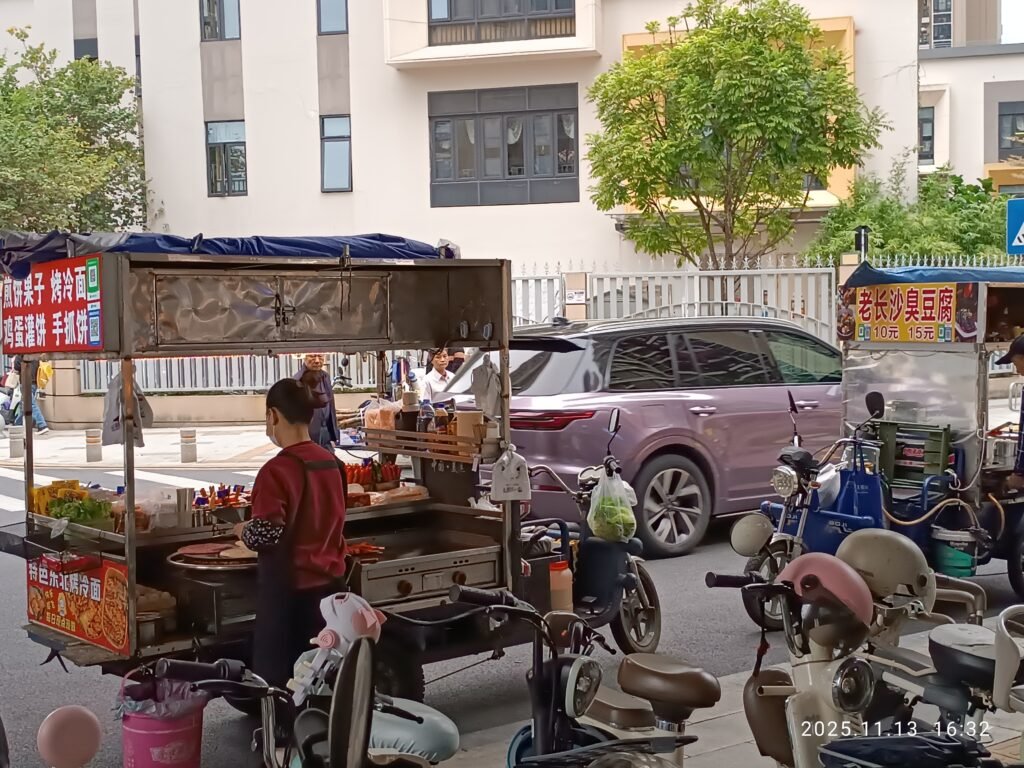
The opposite mistake. Some visitors, nervous about food safety, stick to restaurants and avoid hawker stalls entirely. This is a shame — Malaysian hawker food is world-class, and the high turnover at busy stalls usually means food is fresh. Look for stalls with long queues, avoid food that looks like it’s been sitting out in the heat for hours, and trust the system. Millions of Malaysians eat at hawker stalls every day without issue.
Your stomach may take a few days to adjust — mild digestive upset is common in the first few days in any new country — but this is different from serious food poisoning and is not a reason to avoid street food.
11. Ignoring Ramadan Etiquette
During Ramadan (a moveable feast that shifts earlier by about 11 days each year), Muslims fast from sunrise to sunset. Non-Muslims are not expected to fast, but some basic etiquette is appreciated:
- Don’t eat, drink, or smoke in public in front of fasting Muslims — find a restaurant or mall to eat in
- Dress slightly more conservatively during Ramadan, particularly in non-tourist areas
- Don’t play loud music from your accommodation windows during fasting hours
Ramadan also means excellent night food markets (Pasar Ramadan) that open in the late afternoon before iftar (breaking of the fast). These are well worth visiting for the variety of special Ramadan foods.
12. Not Getting Travel Insurance
Medical care in Malaysia is good and affordable — but “affordable by Western standards” still means potentially thousands of pounds if something goes wrong. A hospital stay, emergency surgery, or medical evacuation can be very expensive without insurance. SafetyWing covers travellers and expats from around USD 45/month and is widely used by people living in Southeast Asia.
13. Assuming Everything Runs on a Strict Schedule
Malaysia operates on “Malaysian time.” Public buses are approximate. Restaurants may close earlier or later than the listed hours. Appointments and social arrangements have some flexibility built in. This is not unique to Malaysia — it applies throughout Southeast Asia — but if you’re used to British punctuality, calibrate your expectations slightly.
Related Reading
🇲🇾 Get Malaysia Right
Wise
Skip the airport exchange counter. Withdraw ringgit from any KL ATM at the real exchange rate.
Open WiseSafetyWing
Don’t travel without insurance. From USD 45/month — covers medical, hospitalisation and emergency evacuation.
Get CoveredAgoda
Best rates for Malaysian hotels. Stay in a well-located area and avoid the transport hassle.
Find HotelsSome links are affiliate links. I earn a small commission if you sign up at no extra cost to you. I only recommend things I actually use.