The short version: Go to a mamak stall for breakfast. Get roti canai. Order teh tarik. Understand that this is now your life and you will never want to leave.
Prices checked August 2026. Everything here is what I actually paid or was actually quoted, in ringgit, in Kuala Lumpur. Malaysia moves fast — check before you commit to anything.
Food is the main reason many people move to Kuala Lumpur and then stay far longer than they planned. I do not say that lightly. KL is one of the great food cities of the world, and once you understand how it works, you will find yourself eating better and cheaper than you ever did back in Britain.
This is not a guide to Michelin-starred restaurants. This is a guide to how to actually eat in KL – the places locals eat, the dishes you should know, and how to navigate a hawker centre without standing there looking confused for ten minutes (I have done this; it is not a great look).
Mamak Stalls – The Foundation of KL Life
If you only learn one thing about eating in KL, make it this: the mamak stall is not just a restaurant. It is a social institution, a community centre, a meeting place, and the only place you should ever consider eating breakfast, late-night supper, or anything in between.
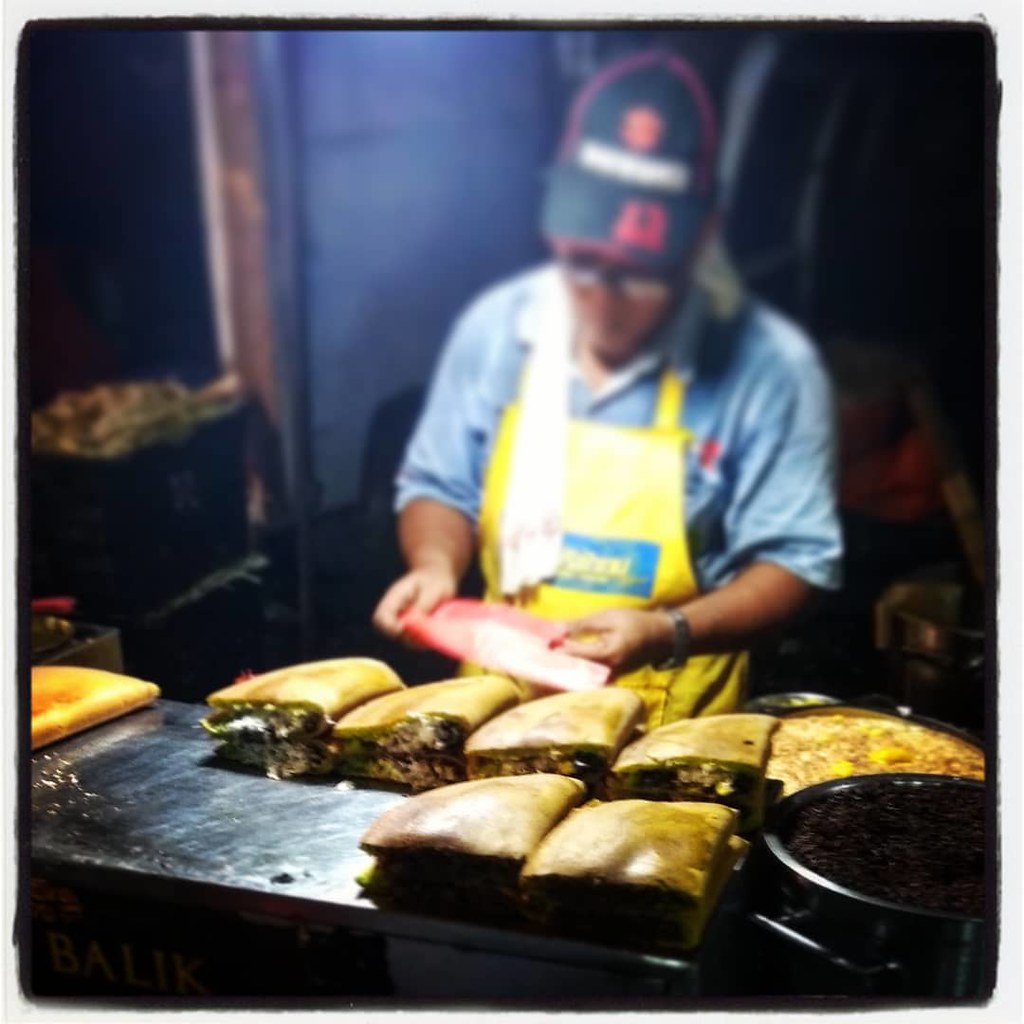
Mamak stalls are Indian-Muslim restaurants, typically open 24 hours, with plastic chairs, ceiling fans, and food so good it is frankly unfair. The core menu:
- Roti canai – flaky, layered flatbread served with curry dhal. RM1.50 to RM2. Start every day with this.
- Teh tarik – pulled tea, sweetened condensed milk, served frothy. RM1.50 to RM2. The national drink.
- Mee goreng mamak – stir-fried noodles, spicy and rich. RM5 to RM7.
- Nasi lemak – coconut rice with sambal, anchovies, peanuts, and egg. Malaysia national dish. Can be eaten at any time of day.
Hawker Centres and Food Courts
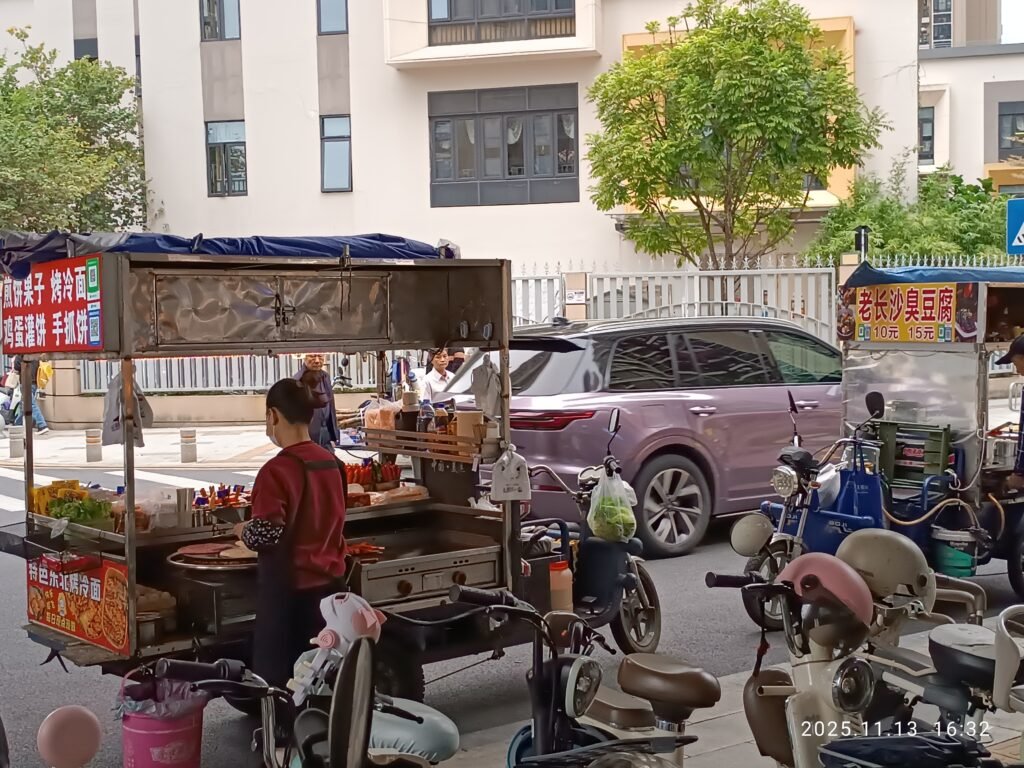
A hawker centre is a collection of individual food stalls under one roof or in one open-air area. Each stall specialises in one or two dishes – one does char kway teow, one does wonton noodles, one does laksa. You pick your stall, order, pay the stall directly, sit wherever you like, and wait for your food to arrive.
The etiquette tip that will save you immediately: you can order drinks from the central drinks stall separately from your food. Walk up, tell them what you want, give them your table number (or they will find you), and they will bring it over. You pay at the end.
Some hawker centres worth knowing in KL: Jalan Imbi, Kepong Baru, and the always-reliable option of asking any local where they actually eat. The answer will be better than any travel guide.
The Dishes You Need to Try
- Bak kut teh – pork rib soup with herbs and garlic. Chinese-Malaysian, eaten for breakfast or lunch. Warming, rich, excellent.
- Char kway teow – flat rice noodles wok-fried at high heat with egg, bean sprouts, Chinese sausage. Smoky, rich, very slightly addictive.
- Laksa – noodle soup. KL versions tend to be curry laksa (coconut curry base). You will have strong opinions about which stall does it best within about three weeks.
- Cendol – shaved ice with coconut milk, green rice flour jelly, and palm sugar syrup. The correct thing to eat at 3pm when it is 34 degrees and you are questioning your life choices.
- Durian – the famous divisive fruit. Banned in many hotels. Smells like a drain. Tastes extraordinary if you get past the smell. Try it at least once.
How Much Does Food Actually Cost?
This is where KL genuinely changes how you think about food. A full meal at a hawker centre – main dish, rice or noodles, drink – will cost you RM8 to RM15. That is roughly £1.50 to £3. For a meal that is better than most things you will find in London for ten times the price.
Shopping centres have food courts that are slightly more expensive (RM15 to RM25) but still extraordinary value. Sit-down restaurants vary – a mid-range meal for two might be RM80 to RM150 including drinks. Fine dining KL-style is significantly cheaper than equivalent restaurants in London.
The practical upshot: if you eat local food, KL is one of the most affordable places in the world to eat well. If you seek out Western food, you will pay something closer to Western prices. Mix the two and your food budget will look very healthy.
My Recommended KL Resources
Wise – Best for sending money between UK and Malaysia. Real rate, tiny fees.
SafetyWing – Monthly expat health insurance, no year commitment.
NordVPN – UK catch-up TV, UK banking from abroad, secure browsing.
Agoda – Best hotel prices in Southeast Asia, beats the competition.
Some links are affiliate links. I earn a small commission at no cost to you if you sign up. I only recommend what I actually use.