I have been living in Kuala Lumpur for a while now, and I still find new things to do here. KL is not just a stopover between flights. It is a proper city with layers — world-class food, modernist skyscrapers next to British colonial buildings, jungle parks in the middle of the city, and a night scene that runs until 4am if you want it to.
Prices checked August 2026. Everything here is what I actually paid or was actually quoted, in ringgit, in Kuala Lumpur. Malaysia moves fast — check before you commit to anything.
This is the definitive guide to what to do in KL, whether you are visiting for a week or you live here and want to stop missing things.
Best Things to Do in Kuala Lumpur at a Glance
For a first visit, start with the Petronas Twin Towers, Batu Caves, Chinatown and Central Market, Merdeka Square, and the Islamic Arts Museum. Then make time for the food: a hawker centre or night market is as essential to KL as any landmark.
- Best landmark: Petronas Twin Towers and KLCC Park
- Best free attraction: Batu Caves
- Best area to wander: Chinatown and Central Market
- Best cultural stop: Islamic Arts Museum Malaysia
- Best evening: a night market followed by a skyline view
- Best rainy-day choices: Aquaria KLCC, the museums, or the city’s shopping malls
The Petronas Twin Towers
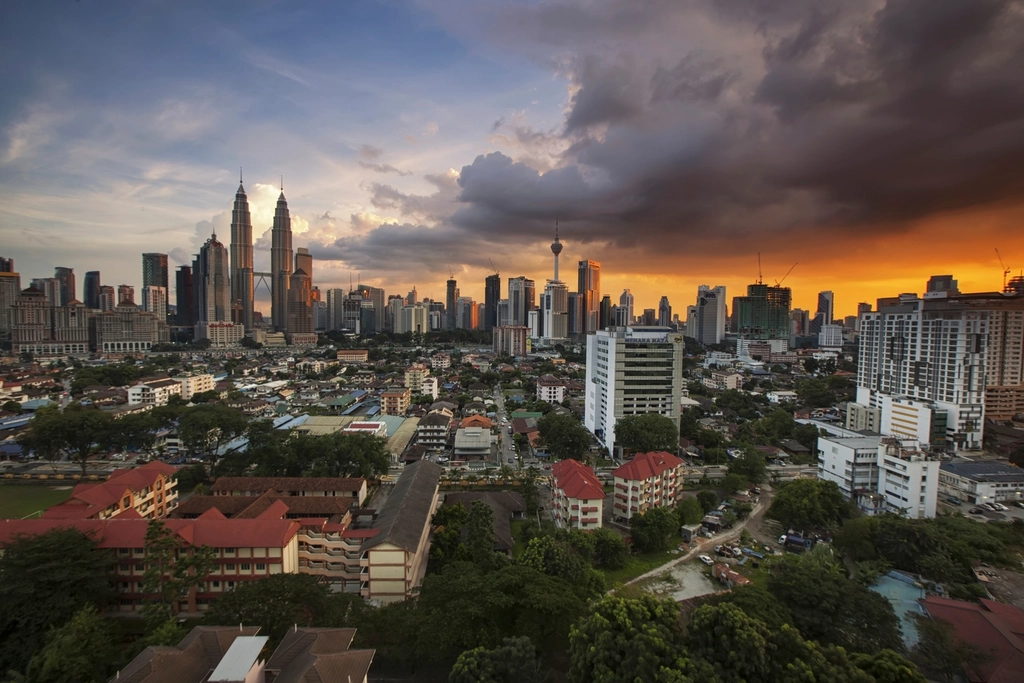
You have to go. I know it feels like a tourist cliché, but the Petronas Towers at night are genuinely one of the most impressive sights I have seen anywhere in Asia. Go to KLCC Park in the evening — the park is free, the fountain shows run regularly, and you get an unobstructed view of both towers lit up above you.
If you want to go inside, buy tickets for the Skybridge (floor 41, connects the two towers) and the Observation Deck (floor 86). Book online in advance at petronastwintowers.com.my — tickets often sell out days ahead, especially weekends. Adult tickets are RM 80-110.
KL Tower (Menara KL)
Higher than the Petronas Towers and the view is arguably better because you can see the twin towers themselves from up here. The observation deck is at 276 metres. There is also an open-air Sky Deck at the top if you are feeling brave. Tickets around RM 52 for the standard deck, RM 99 for the Sky Deck. Book via Klook to avoid queues.
Batu Caves
One of the most iconic sights in Malaysia and only 13km north of the city centre. A 272-step golden staircase (painted in bright colours during a 2018 renovation) leads up to a massive limestone cave containing a Hindu temple. At the top of the stairs is a 42-metre golden statue of Lord Murugan — one of the tallest statues of a Hindu deity in the world.
Entry is free. Get there early (before 9am) to beat the crowds and the heat. Take the KTM Komuter train from KL Sentral directly to Batu Caves station — 30 minutes, about RM 2. My complete Batu Caves guide covers the practical details.
Chinatown (Petaling Street)
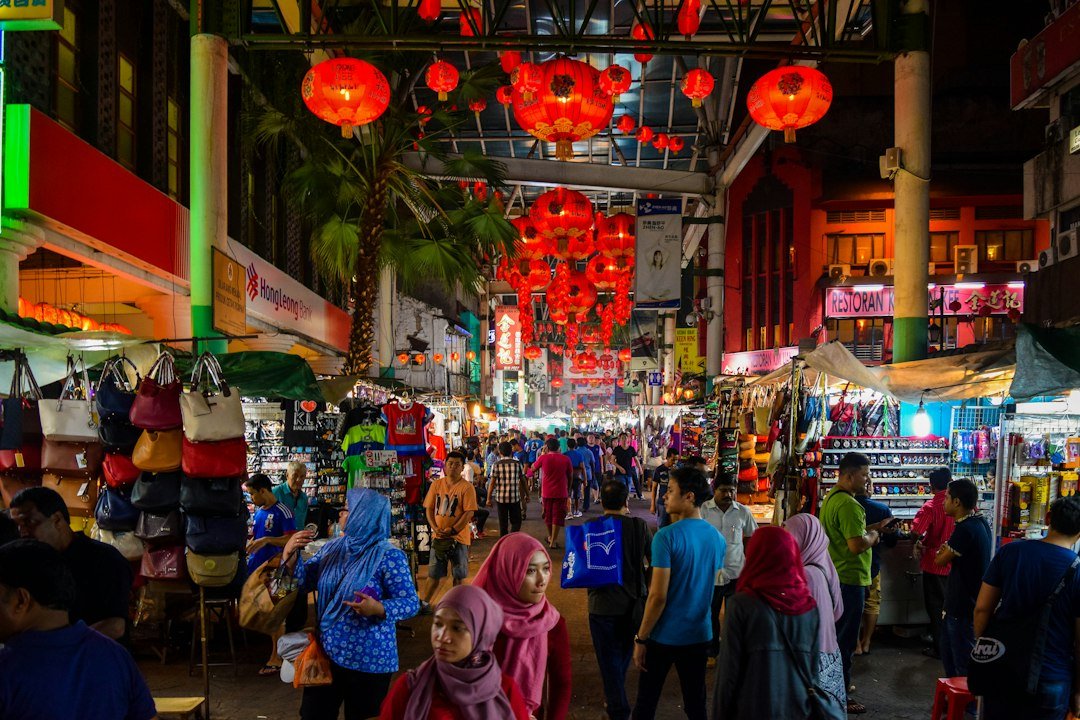
The original heart of KL, founded in the 1850s. Petaling Street is the famous market street — covered by an awning, lined with stalls selling clothes, bags, watches, souvenirs, and plenty of things that are obviously fake (nobody is trying to hide this). It is fun to walk through even if you do not buy anything.
Around Petaling Street is the wider Chinatown area which has excellent food. Sri Petaling’s hawker stalls, the old coffee shops along Jalan Petaling, and the nearby Madras Lane hawker centre are all worth eating at. Come hungry. I have a separate Petaling Street and KL Chinatown guide if you want to explore it properly.
Central Market (Pasar Seni)
Right next to Chinatown, the Central Market is a 1930s art deco building that now houses Malaysian craft stalls — batik, pewter, wood carvings, textiles, traditional foods, Nyonya ceramics. Good for gifts. The building itself is beautiful. Entry is free.
Merdeka Square
The padang (open field) where Malaysia’s independence was declared in 1957. Surrounded by beautiful British colonial buildings — the Sultan Abdul Samad Building with its Moorish copper domes is the standout. This area gives you the colonial KL that most visitors miss because they head straight to KLCC. Walk here in the early morning or late afternoon for the best light.
Islamic Arts Museum Malaysia
One of the best museums in Southeast Asia and frequently overlooked. Enormous collection of Islamic art, architecture, textiles, manuscripts, ceramics, and jewellery from across the Muslim world. The building itself is stunning — grand domes and archways. RM 14 entry, closed Mondays.
National Museum (Muzium Negara)
Next to the Islamic Arts Museum. Covers Malaysian history from prehistory to independence and beyond. Good context if you want to understand what you are seeing around KL. RM 5 entry. The building’s facade has a massive tile mural depicting Malaysian life — worth photographing even if you skip the interior.
KL Forest Eco Park (Bukit Nanas)
A genuine piece of jungle in the centre of the city — one of the oldest gazetted forest reserves in Malaysia. You can walk through it, climb the canopy walkway, or just sit in the shade of 130-year-old trees while the city hums around you. Entry is free. Located right next to KL Tower — combine both into one visit.
KLCC Park and Aquaria KLCC
The park at the base of the Petronas Towers is free and beautifully maintained — jogging track, children’s playground, fountain shows in the evenings. Under the convention centre is Aquaria KLCC, one of the best aquariums in Southeast Asia with a walk-through underwater tunnel. Good for families. Tickets RM 66 adults, RM 53 children.
Thean Hou Temple
A magnificent six-tiered Chinese temple on a hill in Seputeh, about 10 minutes from KL Sentral. Built in 1989 but designed in traditional style with hundreds of red lanterns, ornate carvings, and views over the KL skyline. Particularly atmospheric at night or during Chinese New Year. Entry is free.
Masjid Negara (National Mosque)
Malaysia’s national mosque, built in 1965. Capacity of 15,000. Non-Muslims are welcome outside prayer times — modest dress required (robes are provided at the entrance free of charge). The architecture is a striking blend of modern and traditional Islamic styles. Worth visiting even if you are not Muslim.
Street Art in Georgetown-Style Murals (Various)
KL has developed a street art scene, particularly in Chinatown and the Chow Kit area. Not as concentrated as Penang’s George Town, but worth wandering with your eyes open. The Cooler Lumpur Festival and various local artists have added murals across the city.
Food You Must Eat in KL
If KL has one true superpower, it is the food. Malaysian cuisine reflects the country’s Malay, Chinese, Indian, Nyonya, and Sabahan and Sarawakian communities — the variety is extraordinary. Start with my KL food guide if you want to know what to order and where to try it.
Nasi Lemak
Malaysia’s national dish. Coconut rice served with sambal (chilli paste), anchovies, peanuts, a boiled egg, and cucumber. Available everywhere from RM 3 at a hawker stall to RM 25 at a sit-down restaurant. The hawker version is often better.
Char Kway Teow
Wok-fried flat rice noodles with eggs, prawns, cockles, bean sprouts, and dark soy sauce. A Penang speciality that has spread everywhere. Get it at a Chinese hawker stall, cooked over a high flame by someone who has been doing it for 30 years.
Roti Canai
Flaky flatbread cooked on a griddle, served with dhal (lentil curry) or curry sauce. A Malaysian breakfast staple. You can get it plain or stuffed with egg, banana, onion, or cheese. RM 1.50-3 at a mamak stall (Indian-Muslim restaurant, open 24 hours).
Laksa
Noodle soup — either curry-based (curry laksa) or tamarind-based (assam laksa). Thick, complex broth, rice noodles, prawn or fish, coconut milk in the curry version. One of the most complex flavour profiles of any dish in the world.
Bak Kut Teh
Pork ribs simmered in a complex broth of herbs and spices. A Chinese-Malaysian dish, usually eaten for breakfast or lunch. Go to Klang (30 minutes from KL) for the best version, or find a good KL spot in the Kepong or Cheras areas.
Teh Tarik
Pulled tea — black tea with condensed milk, poured back and forth between cups to create a frothy top. The national drink. Order it at any mamak stall. RM 1.50-2.50.
Night Markets (Pasar Malam)
Every neighbourhood in KL has a weekly night market. Rows of stalls selling street food, fresh produce, cheap clothing, household goods, and everything in between. The food stalls are the reason to go — grilled corn, satay, fried noodles, fresh fruit, sugarcane juice, rojak (fruit salad with prawn paste dressing).
Popular ones include the Taman Connaught night market (Wednesday, one of the longest in Malaysia) and the Bangsar night market (Friday). Google “[your neighbourhood] pasar malam” to find your local one, or use my guide to KL night markets.
Day Trips from KL
Genting Highlands
Malaysia’s only casino and a theme park complex at 1,800 metres above sea level. Cool temperatures, theme park rides, cable car. About an hour from KL. The SkyWorlds theme park opened in 2022 and is the main draw now. Good for families or a change of scene from the city heat.
Fraser’s Hill
A quieter hill station at 1,500 metres, about 1.5 hours north of KL. Excellent birdwatching, pleasant walking trails, colonial bungalows, cooler temperatures. Much less crowded than Genting. Good for a peaceful weekend away.
Port Dickson
The nearest beach to KL, about 90 minutes south by car or bus. Not Malaysia’s best beach — the water is murky and the sand nothing special — but it works for a quick beach day. For proper beach trips, fly to Langkawi (1 hour) or take the train to Penang and onwards to the Perhentian Islands.
Kuala Gandah Elephant Sanctuary
A wildlife department-run conservation centre about 1.5 hours east of KL. You can see and interact with rescued Asian elephants in a responsible setting. Book in advance — free entry but limited spaces.
Putrajaya
Malaysia’s administrative capital, built from scratch in the 1990s. Enormous mosques, government buildings, man-made lakes, wide boulevards. It looks completely different to KL. Interesting for architecture and urban planning nerds. About 30 minutes by ERL train from KL Sentral.
Where to Stay in KL
For accommodation, I book through Agoda — they have the best prices on Asia hotels and their selection for KL is excellent. For KLCC area hotels, Booking.com sometimes has better deals on international chains. Always compare both.
Best areas to stay: KLCC/Bukit Bintang for central access to everything; Bangsar for a more local neighbourhood feel; KL Sentral if you are flying in and out and want easy airport access. For a fuller comparison, read my honest guide to where to stay in Kuala Lumpur.
Plan Your KL Trip
Agoda — Hotels in KL
Best prices on KL hotels and serviced apartments. Strong Asia inventory.
Search Agoda →Wise — Spend in Ringgit
Pay in MYR at the real exchange rate. Much better than airport currency counters.
Get Wise →NordVPN — Stay Secure
Protect your connection on hotel and cafe WiFi throughout Malaysia.
Get NordVPN →Some links are affiliate links. I earn a small commission at no extra cost to you. I only recommend things I actually use.