Most people who move to KL never make it to Borneo, and it’s one of the bigger travel mistakes you can make while living in Malaysia. Kuching — the capital of Sarawak on Malaysian Borneo — is one of the most charming cities in Southeast Asia: small, walkable, brilliantly multicultural, excellent food, and surrounded by rainforest, orangutans, and tribal culture within an hour’s drive. This guide covers everything you need to plan the trip.
Prices checked August 2026. Everything here is what I actually paid or was actually quoted, in ringgit, in Kuala Lumpur. Malaysia moves fast — check before you commit to anything.
Why Kuching Is Worth the Trip
Kuching often surprises people. It’s not a gritty adventure destination or a backpacker hub — it’s a genuinely liveable, refined city with a strong sense of local identity, a beautiful riverfront, and more good food per square kilometre than almost anywhere in Malaysia. It also happens to be the gateway to some of the most biodiverse rainforest on earth, orangutan rehabilitation centres, and longhouse communities that still maintain traditional Iban culture.
It also feels noticeably different from Peninsular Malaysia — slower, greener, with a Sarawakian identity that’s distinct from the KL experience. Sarawak has its own immigration rules, its own pepper (the famous Sarawak black pepper), its own layered cake (kek lapis Sarawak), and its own pride.
How to Get from KL to Kuching
By Air (Recommended)
Flying is the only practical option for most travellers — the overland/sea route via West Malaysia, Brunei, and Sabah is extremely long. Flights from KLIA or KLIA2 to Kuching International Airport (KCH) take about 1 hour 45 minutes.
- AirAsia — multiple daily flights from KLIA2, often RM 80–160 return if booked early
- Malaysia Airlines — flies from KLIA, slightly more expensive but sometimes comparable on promotional fares
- Firefly — smaller airline, check for deals
Book 3–6 weeks ahead for the best prices. Kuching airport is small and pleasant — a quick Grab into the city (about 20 minutes, RM 25–35).
Immigration Note
Sarawak (and Sabah) are separate immigration zones from Peninsular Malaysia. When you fly KL–Kuching, you technically go through immigration at Kuching airport. As a foreign national, you’ll get a separate stamp and entry into Sarawak (typically 30 or 90 days depending on nationality). Your Malaysia entry stamp from arriving in KL doesn’t automatically cover Sarawak. Bring your passport.
When to Go
Kuching is a year-round destination. Sarawak is tropical with no distinct dry or wet season — rain can happen any time, but the heaviest rainfall is typically November–January. The best months to visit for wildlife (especially orangutans) are March–September when forest walks are drier and more comfortable. The Rainforest World Music Festival (RWMF) is held annually in July and is worth planning a trip around — one of the best music events in Southeast Asia.
How Many Days Do You Need?
- 3 days — city highlights plus one wildlife experience
- 5 days — city, Bako National Park, and Semenggoh Wildlife Centre
- 7 days+ — the above plus a Batang Ai lake trip, longhouse visit, or further afield to the Kelabit Highlands
What to Do in Kuching City
The Waterfront
The Kuching Waterfront is one of the nicest in Southeast Asia — a long promenade along the Sarawak River with views across to Fort Margherita, the white Astana (the governor’s palace), and traditional sampan water taxis crossing the river. Best in the evening when the temperature drops and the food stalls along the waterfront come alive.
The Old Town
Kuching’s compact old town has beautifully preserved colonial shophouses, the Old Courthouse complex (now a cultural centre), the Tua Pek Kong Chinese Temple, and the India Street area. Easily explored on foot over half a day.
Sarawak Museum
One of the oldest and best museums in Southeast Asia, focusing on the natural history and indigenous cultures of Sarawak — Iban, Bidayuh, Orang Ulu, Penan. The heritage building dates from 1891 and the collection includes an excellent longhouse replica and a natural history gallery. Free or small entry fee.
Cat Statues
Kuching means “cat” in Malay, and the city leans into this with a series of cat sculptures scattered across the city. Slightly kitsch but part of the local identity — the Main Bazar has the most famous one.
Sarawak Laksa
You cannot visit Kuching without eating Sarawak laksa. This is widely considered one of the best dishes in Malaysia — a complex, rich, coconut and sambal belacan broth with rice vermicelli, prawns, shredded chicken, omelette strips, and fresh coriander. It’s meaningfully different from any laksa you’ve had in KL. The best versions are at hawker stalls that open only in the morning — get there by 8am for the best experience.
Wildlife and Nature Around Kuching
Semenggoh Wildlife Centre
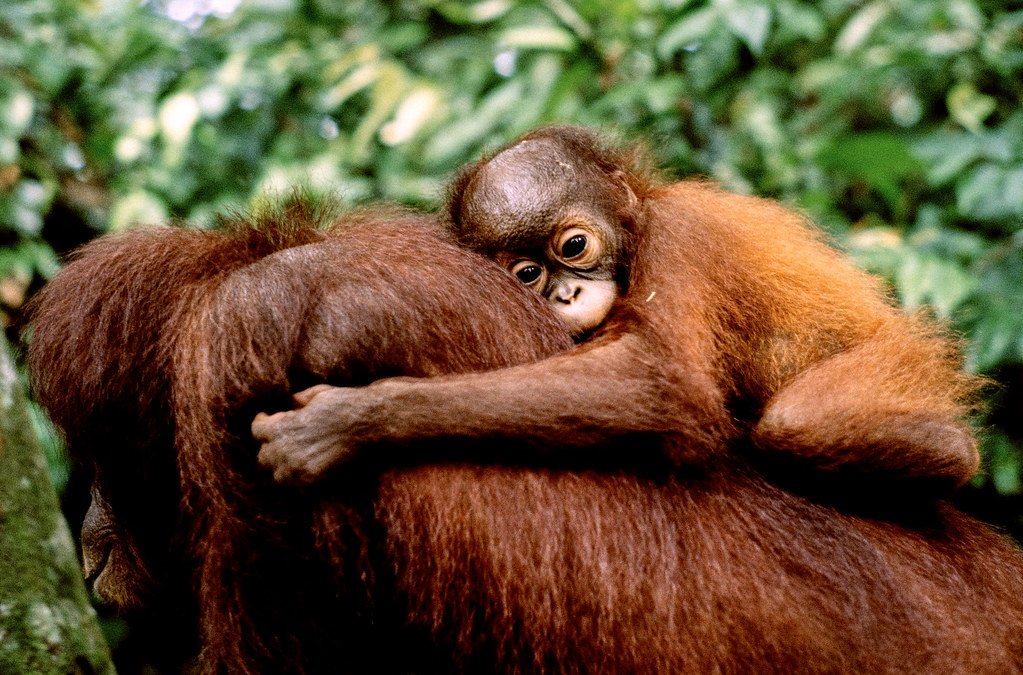
About 24km from Kuching city, Semenggoh is a rehabilitation centre for orangutans rescued from logging and palm oil plantation areas. Semi-wild orangutans are fed at the centre twice daily (typically 9am and 3pm) and you observe them coming into the feeding area from the surrounding forest. This is one of the most accessible and reliable orangutan experiences in Malaysia. Entry RM 10 for foreigners. Book in advance — visitor numbers are capped.
Bako National Park
Bako is the oldest national park in Sarawak and one of the most rewarding for wildlife and jungle walks. Located on a peninsula about 37km from Kuching (boat ride from Bako Bazaar), the park has several ecosystems in a small area — mangroves, beach forest, kerangas (heath forest), and cliff faces. Wildlife: proboscis monkeys (Bako has the best wild proboscis monkey viewing in Malaysia), bearded pigs, silver leaf monkeys, and enormous monitor lizards wandering into the canteen. Stay overnight to see the full range. Book accommodation through the national park website.
Kubah National Park
Closer to Kuching (22km) with good jungle walks and excellent frog-watching at night. The Matang Wildlife Centre within Kubah houses rescued orang-utans, sun bears, and Bornean bearded pigs. A good option if time is short.
Batang Ai
A lake district about 4 hours from Kuching, home to Iban longhouse communities and one of the most immersive traditional culture experiences available in Sarawak. The Hilton Batang Ai Resort sits on the lake and arranges longhouse visits and boat trips. Requires a full day each way — best as a two-night add-on.
Eating in Kuching
| Dish | What It Is | Price |
|---|---|---|
| Sarawak Laksa | The definitive dish — rich coconut-sambal broth | RM 7–12 |
| Kolo Mee | Dry egg noodles with chilli, pork and spring onion | RM 6–10 |
| Ayam Pansuh | Chicken cooked in bamboo — an Iban speciality | RM 15–25 |
| Kek Lapis Sarawak | Incredibly intricate layered cake — take some home | RM 25–60 per box |
| Umai | Raw fish cured in lime and chilli — a local speciality | RM 10–18 |
The Main Bazaar and Gambier Street areas have the best concentration of food options. The weekend markets (Satok Sunday Market) are worth attending for local produce, jungle ferns, and street food.
Getting Around Kuching
Kuching city is compact and walkable. Grab works well within the city. For national parks, many visitors book day tours through their hotel or a local operator — this is often the most practical approach since some parks require boats and guides. Renting a car is an option for more independent exploration.
Related Reading
🌳 Plan Your Kuching Trip
Agoda
Great rates on Kuching hotels from budget guesthouses to riverfront properties and Batang Ai resort.
Book HotelsSafetyWing
Travel insurance from USD 45/month. Covers jungle trekking, boat trips, and medical evacuation from Borneo.
Get CoveredWise
Same card works across Peninsular Malaysia and Sarawak — no need to think about it when you cross.
Open WiseSome links are affiliate links. I earn a small commission if you sign up at no extra cost to you. I only recommend things I actually use.