I’ve lived in a lot of cities. London, obviously. A stint in Amsterdam. Bits of Eastern Europe. But I have never lived somewhere where the food and drink scene is as relentlessly surprising as Kuala Lumpur.
Prices checked August 2026. Everything here is what I actually paid or was actually quoted, in ringgit, in Kuala Lumpur. Malaysia moves fast — check before you commit to anything.
Not expensive-surprising. Not Michelin-star-surprising. Just constantly, stubbornly, gloriously interesting — down every side street, in every old shophouse, at every hawker stall, at every hour of the day or night.
It Starts with Teh Tarik
Teh Tarik — literally “pulled tea” — is the national drink of Malaysia. Black tea brewed strong and sweet, mixed with condensed milk, then “pulled” between two cups from a height to create a thick frothy top. It costs around RM2-3. Order it kurang manis if you want less sweet.
The mamak stall that never closes is a KL institution. Roti canai at 3am, teh tarik all night — it’s the city’s connective tissue.
The Kopitiam: Old School and Irreplaceable
A kopitiam is a traditional Malaysian-Chinese coffee shop — marble-top tables, wooden chairs, tiled floors, ceiling fans. The coffee is kopi, roasted with sugar and butter, served in a small cup that’s simultaneously strong, sweet, and deeply satisfying.
For a classic kopitiam experience, try the old ones in Chow Kit, Pudu, or the streets around Petaling Street. Avoid the ones sanitised for Instagram — you’ll know the difference immediately.
The New Wave: Artsy Shophouse Cafés
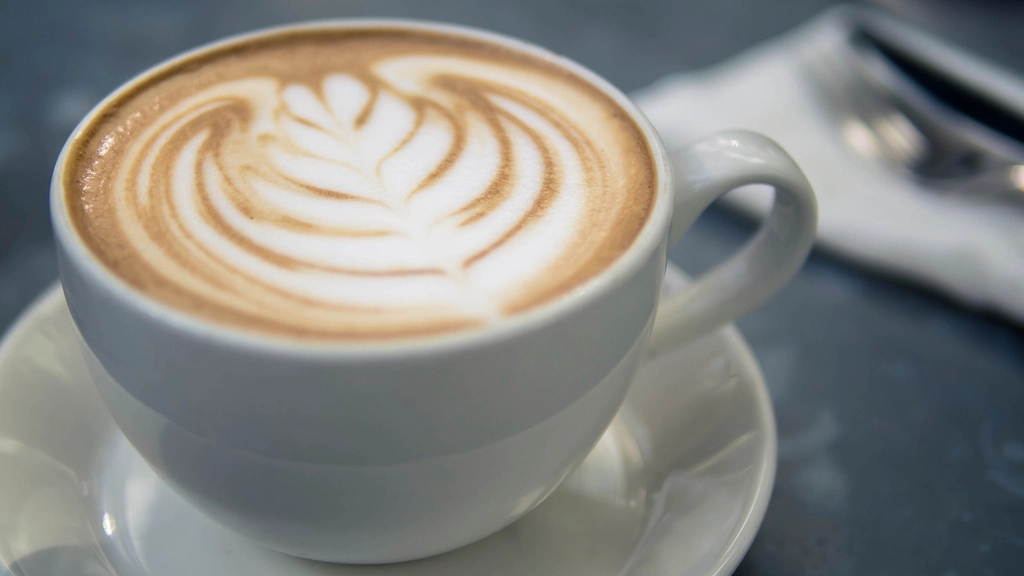
Alongside the kopitiams and mamaks, there’s a thriving speciality coffee scene — third-wave stuff, single origins, pour-overs — done in architecturally stunning converted shophouses.
VCR (Jalan Galloway) was one of the first to lead this movement and is still one of the best. Their weekend brunch queues tell you everything you need to know.
The Lolla Co. is intimate, thoughtfully designed, and has some of the best filter coffee in the city.
These places charge slightly more than a mamak — still extremely cheap by London standards (RM15-25 for coffee and food).
The Food Markets
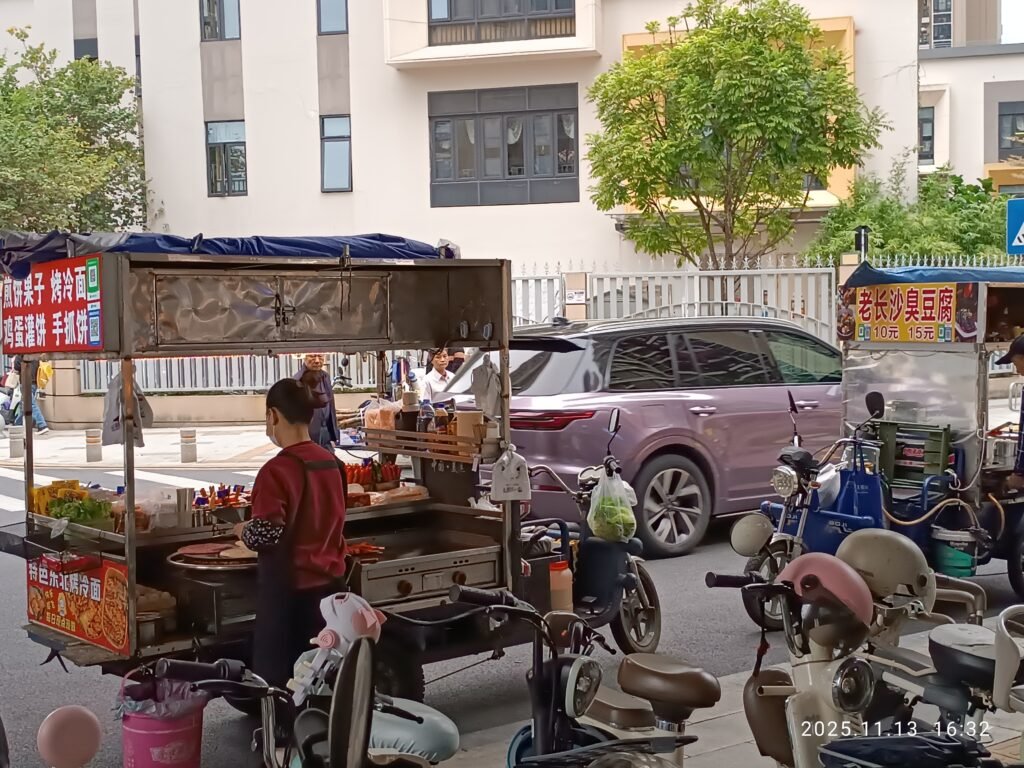
The pasar malam (night market) is a weekly rotating street market where you eat for almost nothing and try everything. Char kway teow, grilled satay, laksa, rojak, cendol — chaotic and brilliant.
I can walk to three different cuisines within five minutes of my front door and spend under RM20 for a complete meal. For a Londoner used to £15 lunches, this is genuinely life-changing.
Why It Works
Three major ethnic communities — Malay, Chinese, Indian — each bring centuries of culinary tradition, cooking alongside each other for generations. The cross-pollination is what makes Malaysian food unique. Nasi Lemak, Char Kway Teow, Roti Canai don’t belong to any single community. They belong to Malaysia.
My Recommendation
If you’re new to KL: go to a mamak first. Order teh tarik and roti canai. Find your nearest kopitiam and have kopi and kaya toast. Then explore the shophouse cafés of Bangsar or Chow Kit. You’ll understand the city better after three meals than after three days of sightseeing.
☕ KL Café Quick Guide
- Teh Tarik — Any mamak stall, RM2-3
- Kopi — Traditional kopitiam, RM2-4
- VCR — Jalan Galloway, speciality coffee + brunch
- Roti Canai — Any mamak, RM1.50-3
Useful Resources for Expats in KL
Related Reading
Full guide to KL’s coffee shop culture 🌆 Night Markets Guide
Where to go and what to eat 🍛 Nasi Lemak Recipe
Malaysia’s national dish 🐟 Fish & Chips Recipe
A proper British classic
The bakeries are excellent, but they know exactly who is buying — more on that here.
My favourite of the lot is the rose latte at Koppiku, and I finally worked out how they make it. The recipe is here — the secret is that it uses three different milks.
Some links in this post are affiliate links. I earn a small commission if you sign up at no extra cost to you. I only recommend things I actually use.