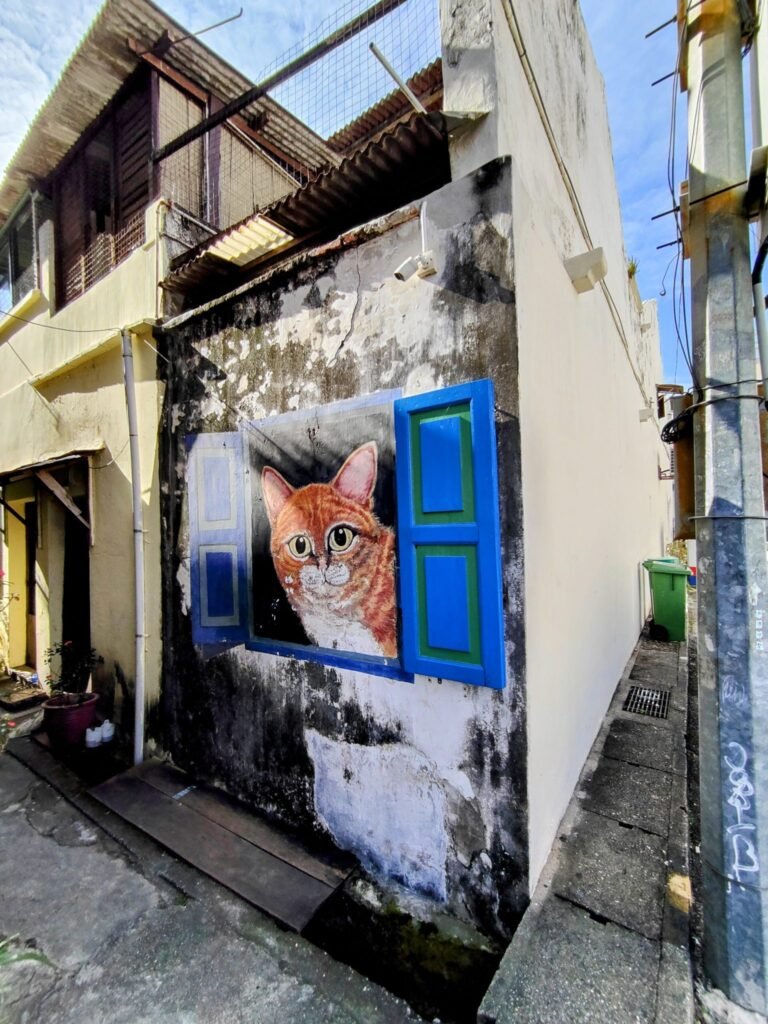
KL has developed a surprisingly vibrant street art scene over the last decade. It started with the Chinatown area getting a wave of commissioned murals — partly inspired by what Penang did for its tourism — and has since spread to Chow Kit, Bangsar, Bukit Bintang, and a scattering of walls across the city. This guide covers where to find the best street art in KL and how to explore it on foot.
Chinatown (Petaling Street / Jalan Petaling Area)
Chinatown is the most concentrated area for KL street art and the most rewarding for a dedicated walking tour. The area around Jalan Petaling, Jalan Balai Polis, and the surrounding back streets has accumulated dozens of murals over the years — some by local artists, some commissioned for tourism promotion, and some that have appeared spontaneously.
What to look for
- Jalan Balai Polis murals — a cluster of well-maintained large-scale murals on this street just off Jalan Petaling. Some of the most photographed pieces in KL are here.
- Kwai Chai Hong (Lorong Panggung) — this is the most impressive street art destination in KL. A restored heritage lane behind Petaling Street that has been converted into a combination of restored shophouses and an immersive mural experience depicting old Chinatown life. Open day and night, lit up after dark. Free entry.
- Central Market surrounds — the area around Central Market (Pasar Seni) and Kasturi Walk has several murals and art installations.
- Jalan Sultan area — more scattered murals through the back streets heading toward the old Indian quarter.
Practical notes for Chinatown
Best time: morning (before the heat and crowds) or evening (Kwai Chai Hong is beautifully lit). The area is accessible by Maharajalela Monorail station or Pasar Seni LRT. Walk the whole Chinatown area in 2–3 hours comfortably.
Chow Kit
Chow Kit is KL’s most diverse and arguably most authentic neighbourhood — a working-class market area with a strong Malay and Indonesian immigrant community. Over the last few years, a wave of independent cafés, co-working spaces, and arts organisations have moved in, bringing murals with them.
The street art here has a different character from Chinatown — more politically and culturally engaged, less tourist-oriented, more recent. Look around Jalan Raja Alang, Jalan Raja Bot, and the streets around the Chow Kit wet market. The REXKL complex (a restored colonial cinema building) at the edge of Chow Kit has murals and hosts art events.
Bukit Bintang / Changkat
Smaller pockets of street art appear around the entertainment district. Check the alleyways around Changkat Bukit Bintang and the back streets behind Jalan Bukit Bintang. These tend to be more recent, commercial pieces (by bars and restaurants seeking Instagrammable backdrops) but some good work exists.
Jalan Alor — the famous food street — has some murals on its building facades that make for good food-photography backgrounds in the evenings.
Bangsar
Scattered murals appear through Bangsar Baru’s back streets and some of the older shophouse lanes. Less concentrated than Chinatown, but worth noting if you’re already in the area for the café scene. The Telawi area and streets around the Sunday Market location have the most to see.
Brickfields / Little India
Brickfields has a number of temple-related murals and decorative wall paintings, particularly around the Hindu temples on the main streets. These are culturally significant rather than strictly “street art” in the contemporary sense but worth including in any exploration of public art in KL. The area is walking distance from KL Sentral.
TTDI and Damansara Heights
A smaller residential street art scene has emerged in TTDI (Taman Tun Dr Ismail), with occasional murals on the walls of the commercial area around the market. Worth combining with a café stop if you’re in this neighbourhood.
Kwai Chai Hong — The Must-Visit
This deserves its own section because it’s genuinely excellent. Kwai Chai Hong (which means “Ghost Boy Lane” in Cantonese — a reference to the orphans who once lived nearby) is a restored heritage lane just behind Petaling Street. The project began in 2020 and transformed a derelict back lane into a thoughtfully designed cultural space.
The murals depict old Chinatown life — street vendors, kopitiam scenes, traditional crafts, and historical moments from early KL. The restorations are high quality, and the lane is lined with several small shops, a gallery space, and places to eat and drink. It’s lit up at night with warm lighting that makes the murals look even better than they do in daylight.
Location: Lorong Panggung, Chinatown (just behind the Petaling Street market)
Opening hours: 10am–10pm approximately
Entry: Free
Self-Guided Street Art Walk: Chinatown Loop
- Start at Pasar Seni LRT station — exit toward Central Market
- Walk through Kasturi Walk — check walls for murals
- Head into Petaling Street market — follow the main drag
- Turn into Lorong Panggung for Kwai Chai Hong
- Explore the Jalan Balai Polis murals
- Wind through the back streets toward Jalan Sultan
- End near the Sri Mahamariamman Temple — worth seeing on the same walk
Total walk: about 2.5 km, 2–3 hours at a comfortable pace. Do it in the morning (9–11am) to avoid peak heat.
Tips for Street Art Photography in KL
- Morning light (7–9am) is best for many Chinatown murals — soft light, fewer crowds
- Evening (after 6pm) is best for Kwai Chai Hong — the lantern and LED lighting creates a different atmosphere
- Some murals are in narrow alleys — a wide-angle lens (or your phone’s ultra-wide mode) is useful
- Most murals are on public streets — photography is fully permitted
- The heritage buildings in Chinatown make good compositional backdrops even without the murals
Street Art Tours
Guided street art and heritage walking tours of Chinatown are available through several operators in KL. Typically 2–3 hours, led by local guides with context about the neighbourhood’s history and the artists behind specific works. Book via Klook or directly through local heritage organisations like Badan Warisan. These tours tend to add significantly more context than wandering independently.
Related Reading
🎨 Exploring KL
Agoda
Stay in Chinatown or Bukit Bintang for the best street art access. Great rates on KL hotels.
Find HotelsWise
Spend on tours, food and Grab rides in KL at the real exchange rate. No foreign transaction fees.
Open WiseSafetyWing
Travel insurance from USD 45/month. Good to have for any trip to Southeast Asia.
Get CoveredSome links are affiliate links. I earn a small commission if you sign up at no extra cost to you. I only recommend things I actually use.