Malaysia has a fascinating shopping culture that goes far beyond the enormous malls that define the country’s retail image internationally. Yes, the malls are impressive — Pavilion, KLCC, Mid Valley, 1 Utama are all world-class — but the most interesting shopping in KL happens in the wet markets, the specialist streets, the heritage districts, and the independent stores that have been operating in the same shophouses for decades. This guide covers both.
The Mall Culture: What You Should Know
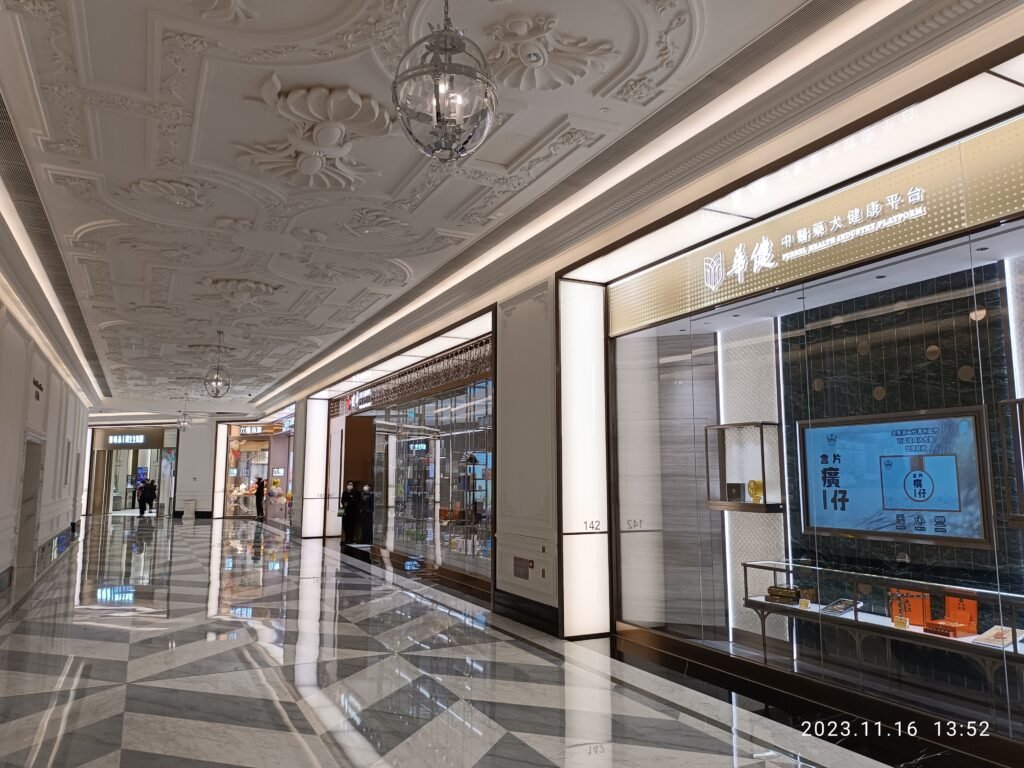
KL has more air-conditioned retail space per capita than almost any city on earth — a consequence of the tropical climate, ambitious retail development in the 1990s and 2000s, and a consumer culture that genuinely enjoys mall life. The malls are social infrastructure here, not just shops: they contain cinemas, bowling alleys, gyms, medical centres, food courts, event spaces, and sometimes ice rinks. On a rainy afternoon — and KL has many — the mall becomes the city’s living room.
For visitors and expats, the main malls worth knowing are:
- Suria KLCC — the tower mall, luxury brands, Parkson department store, good food court in the basement, Kinokuniya (the best English-language bookshop in Malaysia)
- Pavilion KL (Bukit Bintang) — the most prestigious mall, strong for international fashion, Pavilion Elite next door for luxury
- Mid Valley Megamall and The Gardens — vast, practical, strong for everyday shopping and dining, connected to KTM Komuter
- Bangsar Village I and II — smaller, curated, the best mall for independent food and lifestyle brands
- Publika (Mont Kiara) — arts-focused retail development with independent food vendors, galleries, and the best independent shopping in KL
The Specialist Streets
KL has a strong tradition of specialist trading streets — entire blocks dedicated to a single category of goods, descended from the colonial era practice of organising trade by community and product. These are where you go for genuine bargains and specialist knowledge:
Jalan Tuanku Abdul Halim (formerly Jalan Duta) — Wedding and Fabric
The fabric district. Dozens of shops selling brocade, silk, cotton, lace, and traditional Malaysian textiles — batik, songket, baju kurung materials. If you’re looking for fabric to have clothes made, or genuine Malaysian textile goods as gifts, this is where to come. The prices are a fraction of what you’d pay in retail stores for equivalent quality.
Jalan Masjid India — Indian Goods and Textiles
The heart of KL’s Indian Muslim community, with shops selling saris, Indian textiles, jewellery, fresh flower garlands, spices, and Indian sweets. The Masjid India wet market behind the main street is one of the most atmospheric food markets in KL. For gold jewellery at competitive prices — Indian gold trading here operates on slim margins and competitive pricing.
Jalan Chow Kit — Wet Market and Local Wholesale
Chow Kit is where the city’s professional cooks shop. The wet market (Pasar Chow Kit) has the widest range of fresh produce, unusual vegetables, fresh herbs, and tropical fruits in KL at wholesale prices. If you’re cooking Malaysian food at home and need ingredients you can’t find in a supermarket, Chow Kit is the answer.
Jalan Petaling (Petaling Street, Chinatown)
The covered street market famous for watches, bags, sunglasses, and branded goods that may or may not be what they claim to be. Haggling is expected — start at 40% of the asking price. More interesting for the atmosphere and the surrounding heritage streets than for the goods themselves, which are the same as you’d find in any Southeast Asian tourist market. The real Chinatown shopping is in the surrounding streets: herbal medicine shops, dried goods wholesalers, Chinese hardware stores, Buddhist supplies.
Jalan Silang / Brickfields — Indian Traditional
Brickfields is KL’s Little India — a neighbourhood rather than just a street. The main commercial strip has saree shops, Indian jewellers, Indian sweet stalls, flower garland vendors, and temples. The Saturday night market here is one of the most colourful in the city.
Specialist Retail Worth Seeking Out
Kinokuniya (KLCC)
The best bookshop in Malaysia, full stop. Four floors in Suria KLCC with an extraordinary range of English, Malay, Chinese, and Japanese titles. The English section covers everything from literary fiction to technical books, and is more comprehensive than most UK bookshops. If you’re missing access to books in English, this is the answer.
Publika (Mont Kiara)
The most interesting retail development in KL for independent and creative businesses. The complex houses independent food vendors, local clothing and jewellery designers, art galleries, a farmers’ market on Sunday mornings, and events throughout the week. Different in character from the mainstream malls — smaller, quirkier, with a strong local arts and design identity.
Central Market (Pasar Seni)
The Art Deco former produce market, renovated as an arts and crafts retail space in the 1980s and still operating as such. Two floors of shops selling Malaysian batik, woodcraft, pewter, silver, basketry, and traditional crafts — and Annexe Gallery next door for contemporary Malaysian art. The goods here are more consistently authentic than Petaling Street and better presented.
Royal Selangor Visitor Centre
Selangor pewter is one of Malaysia’s most distinctive craft traditions, and Royal Selangor is the oldest and best-known maker. The visitor centre in Setapak has a showroom, a heritage exhibit, and a “School of Hard Knocks” workshop where you can make your own pewter piece. Good for a genuine Malaysian gift that isn’t a fridge magnet.
Night Markets (Pasar Malam)
Every neighbourhood in KL has a weekly night market — pasar malam — operating on a specific night of the week, running from about 5pm to 11pm. These are where locals do their fresh produce shopping and eat street food, and they’re among the most genuinely local experiences in the city. The goods include fresh vegetables, fish, cooked food, clothing, household goods, and toys. Prices are in single-digit ringgit for most things. See my full night markets guide for specific locations and nights.
🛍️ Shopping Smart in KL
Wise
Pay in ringgit at the real exchange rate — no conversion fees on card purchases in Malaysian shops and markets.
Open WiseAgoda
Stay near the shopping areas — Bukit Bintang for Pavilion, KLCC for Suria, Bangsar Village for boutique shopping.
Find HotelsSafetyWing
Health insurance for your time in Malaysia — flexible monthly subscription for expats and long-stay visitors.
Get SafetyWingSome links are affiliate links. I earn a small commission if you sign up at no extra cost to you. I only recommend things I actually use.