Malaysian food is one of the best things about living in — or visiting — this country. Three major culinary traditions (Malay, Chinese, Indian) plus a patchwork of regional variations and Peranakan fusion cooking makes Malaysia’s food scene genuinely exceptional. It’s not just “good for Southeast Asia” — it’s world-class, and most of it costs between RM5 and RM15 a plate.
Prices checked August 2026. Everything here is what I actually paid or was actually quoted, in ringgit, in Kuala Lumpur. Malaysia moves fast — check before you commit to anything.
The challenge, especially when you first arrive, is knowing what to order. The menus can be overwhelming, the names unfamiliar, and walking up to a busy hawker stall without knowing what you want can be a slightly panicked experience. This guide is for people at that stage: here’s what to eat, in roughly what order, to build a real understanding of Malaysian cuisine.
How Malaysian Food Works
A few things to understand before you dive in:
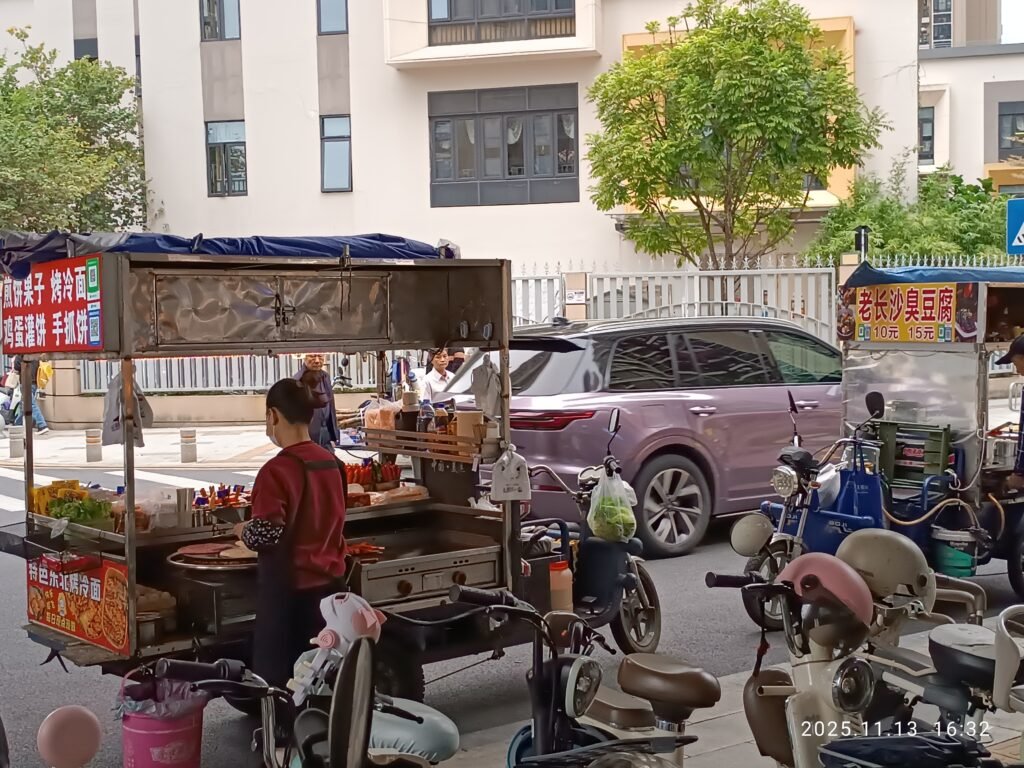
Hawker centres vs restaurants: The majority of Malaysia’s best food is served at hawker centres (outdoor food courts with multiple stalls, each specialising in one or two dishes) and kopitiams (traditional coffee shops with a small selection of cooked dishes). Sit-down restaurants exist but they’re not where you go for the iconic Malaysian food — that’s at the hawker stalls.
No menus at most hawker stalls: You walk up to a stall, look at what’s cooking or at pictures/chalkboards, and order directly. The person behind the counter usually speaks enough English to help a confused foreigner. Just point at something if the words fail.
The “pork/no pork” divide: Malaysia is majority Muslim, so most Malay food is halal (no pork, no alcohol). Chinese hawker stalls often serve pork. Indian food is generally pork-free but may use beef (some Hindu Indians avoid beef, but the hawker culture doesn’t enforce this). If you don’t eat certain things, look for the halal logo (green crescent and star symbol) at stalls.
Eating with your hands is normal for some dishes (especially banana leaf rice and nasi kandar). Wash at the sink at the edge of the restaurant before and after.
Start Here: The Essential First Dishes
1. Nasi Lemak
The national dish and the most recognisable Malaysian food. Rice cooked in coconut milk and pandan leaf, served with sambal (spicy chilli paste), fried anchovies (ikan bilis), peanuts, cucumber, and a hard-boiled or fried egg. The combination sounds strange and tastes extraordinary.
The basic version is often served wrapped in banana leaf for RM1–3. A more elaborate version comes with fried chicken, beef rendang, or other additions and runs RM8–15. Try the simple version first — the sambal is the star.
Where to try it: Bangsar Baru market on weekend mornings. Village Park Restaurant in Damansara Uptown (their fried chicken nasi lemak is famous). Virtually any Malay hawker stall.
2. Char Kuey Teow
Flat rice noodles stir-fried at very high heat with eggs, bean sprouts, Chinese sausage (lap cheong), prawns, and dark soy sauce. The best versions are cooked in a screaming-hot wok, one or two portions at a time, giving a smoky char — the wok hei — that you can’t replicate at home. It’s a Chinese hawker dish.
This is one of those dishes that separates the good hawker stalls from the great ones. A mediocre char kuey teow is oily and flat. A great one is smoky, silky, and deeply savoury.
Where to try it: Penang is the spiritual home of char kuey teow. In KL, Old Town White Coffee kopitiam locations have a consistent version, or ask a local Chinese colleague where they go.
3. Laksa
Laksa is a family of noodle soup dishes — not one dish but a category, and different regions do it differently.
Curry laksa (KL style): Thick yellow curry broth with coconut milk, noodles (usually a mix of rice vermicelli and yellow egg noodles), tofu puffs, prawns, cockles (optional), and bean sprouts. Rich, slightly spicy, filling.
Asam laksa (Penang style): Completely different — sour tamarind-based fish broth, thick rice noodles, mackerel, cucumber, pineapple, mint. Tangy and punchy rather than rich and creamy. An acquired taste that most people love by the third bowl.
Start with curry laksa in KL. Try asam laksa on your Penang trip.
4. Roti Canai
A flaky, layered flatbread cooked on a griddle and served with dhal (lentil curry) and/or curry sauce for dipping. This is Malaysian breakfast for millions of people and one of the most satisfying morning meals you’ll find anywhere. Costs around RM1–2 per roti.
Order: roti canai telur (with egg), roti tissue (stretched paper-thin and crispy, usually with condensed milk), or roti banjir (served “flooded” in curry). The dal dipping sauce is compulsory.
Where to try it: Any mamak stall (Indian Muslim restaurant/stall). They’re open 24 hours, everywhere in KL, and serve roti canai all day.
5. Nasi Kandar
A Penang-origin dish that’s spread across Malaysia. White rice served with an array of curries, gravies, and sides — you pick what you want piled on top. Fried chicken, fish curry, prawns, vegetables, boiled egg. The curries are often mixed together (called “banjir” — flood) for a complex, deeply savoury result.
Pelita and Kayu are the most famous nasi kandar chains in KL. Both are open 24 hours.
6. Banana Leaf Rice
South Indian food served on an actual banana leaf. Rice in the centre, surrounded by small portions of vegetable side dishes (usually three or four varieties), with curry poured over. Eat with your right hand (left hand is for other purposes in South Asian tradition, so observe the convention). Refills of rice and sides are usually included in the price (RM8–15 all-in).
The fish curry is usually the highlight. The papadom adds crunch. The pickle cuts through the richness. It’s one of the most complete meals in Malaysian food.
Where to try it: Sri Nirwana Maju in Bangsar (the classic KL recommendation). Vishal Food and Catering near Masjid India. Any “banana leaf rice” sign in an Indian restaurant.
7. Hokkien Mee
Thick yellow noodles braised in dark soy sauce with pork (or prawns and chicken at halal stalls), cabbage, and crispy lard bits (at pork stalls). The KL version is quite different from the Penang version (which is more of a soup). Look for KL-style dark hokkien mee — it’s rich, sticky, intensely savoury.
8. Bak Kut Teh
Pork ribs in a rich herbal soup — the broth is made from a complex blend of herbs including garlic, star anise, cinnamon, and cloves, and the ribs are slow-cooked until they fall off the bone. Served with rice and you tiao (fried dough sticks) for dipping. It’s a Chinese dish and therefore pork-based.
Klang (about 40 minutes from KL) is famous as the home of bak kut teh and a day trip there to eat the dish in its birthplace is something every KL expat should do. In KL itself, there are excellent bak kut teh spots in Kepong and Chow Kit.
9. Satay
Skewered and grilled meat (usually chicken or beef, sometimes mutton) with peanut sauce, ketupat (compressed rice cakes), cucumber, and raw onion. Malaysian satay is sweeter and more aromatic than Thai satay. The peanut sauce is the key.
Kajang, just south of KL, is Malaysia’s satay capital. The Haji Samuri stall in Kajang is consistently mentioned as the best. In KL itself, the satay stalls in Jalan Alor are good for the experience even if they’re slightly tourist-facing.
10. Durian
I’ll put this at the end of the beginners’ tour because it divides opinion so strongly. Durian is a large spiky fruit with a smell that most foreigners find overwhelming and a taste that regular eaters describe as custard, almond, and tropical fruit combined. It’s the national obsession in Malaysia and worth trying at least once.
Buy it from a night market or dedicated durian stall in season (June–August is the main season, with a smaller season around December–February). Ask the seller to help you pick one and try Musang King (Raja Kunyit) as your first variety — it’s the benchmark.
Read my full durian guide before you go.
The Best Food Neighbourhoods in KL
Jalan Alor
KL’s most famous food street — a row of open-air restaurants in Bukit Bintang that buzzes every evening with both locals and tourists. It’s a good starting point even if it’s not the most “authentic” experience. Good for: BBQ fish, seafood, satay, various Chinese dishes.
Brickfields (Little India)
The heart of KL’s Indian community. Excellent banana leaf rice, roti canai, teh tarik, and South Indian food at very cheap prices. The area around Jalan Scott and Jalan Masjid India is good for Indian street snacks.
Petaling Street (Chinatown)
The old Chinatown market with hawker stalls around and nearby. Good for Chinese dishes, roast duck, dim sum, and general hawker browsing. Also has the Madras Lane hawker centre, which is excellent.
Chow Kit Market
A busy wet market with hawker stalls around the edges. More local than tourist-facing. Great for Malay food, fresh produce, and getting a sense of how everyday KL eats.
Bangsar Baru Market
Covered above — the best spot for a mix of all cuisines in a single morning visit.
What to Drink
Teh tarik: “Pulled tea” — black tea with condensed milk, poured back and forth between two cups to create a frothy, slightly cooled drink. Sweet, creamy, and ubiquitous. Order this everywhere.
Kopi: Traditional Malaysian coffee, brewed through a sock filter and served with condensed milk. Kopi O = without milk, kopi C = with evaporated milk, kopi = with condensed milk.
Cendol: A dessert drink — shaved ice with green pandan jelly, red beans, and palm sugar syrup. Refreshing on a hot day.
Fresh coconut: Sold everywhere. Cold, cheap, hydrating. Drink the water and then scoop out the jelly-like flesh.
Bandung: Rose syrup mixed with evaporated milk. Pink, sweet, polarising but worth trying once.
How to Navigate a Hawker Centre
For first-timers, hawker centres can feel overwhelming. Here’s the formula:
- Walk around the whole centre first and see what’s cooking at each stall
- Find a free table and note where it is (sometimes you give the stall your table number)
- Go to the stall that’s making something you want
- Order — most stalls have English on their boards or pictures
- Pay at the stall or at a central cashier (it varies)
- Drinks are often ordered separately from a dedicated drinks stall
- Food is usually brought to your table, or you collect it
Don’t be shy. You can point at someone else’s plate and say “this one please” — it works.
A Suggested Food Tour Week in KL
Day 1 morning: Bangsar Baru Market — nasi lemak, fresh juice
Day 1 evening: Char kuey teow at a Chinese hawker stall
Day 2 morning: Roti canai at any mamak stall
Day 2 lunch: Banana leaf rice at Sri Nirwana Maju (Bangsar)
Day 3 morning: Kopi and toast with kaya (coconut jam) at a kopitiam
Day 3 evening: Jalan Alor for satay and BBQ fish
Day 4 lunch: Nasi kandar at Pelita
Day 4 evening: Petaling Street / Madras Lane for Chinese hawker food
Day 5 morning: Hokkien mee breakfast at a Chinese kopitiam
Day 5 evening: Laksa (curry laksa) — find a highly-reviewed hawker spot near your neighbourhood
Bonus day: Bak kut teh in Klang
🍜 Planning Your Malaysia Trip
Agoda
Best hotel prices in Malaysia. Book accommodation close to the areas you want to eat in.
Find HotelsWise
Best exchange rates for Malaysian ringgit. Hawker food is cheap but you still need local cash.
Open WiseSafetyWing
Travel and expat health cover. Includes food poisoning emergencies — not that Malaysian food will do that to you.
Get CoveredSome links are affiliate links. I earn a small commission if you sign up at no extra cost to you. I only recommend things I actually use.