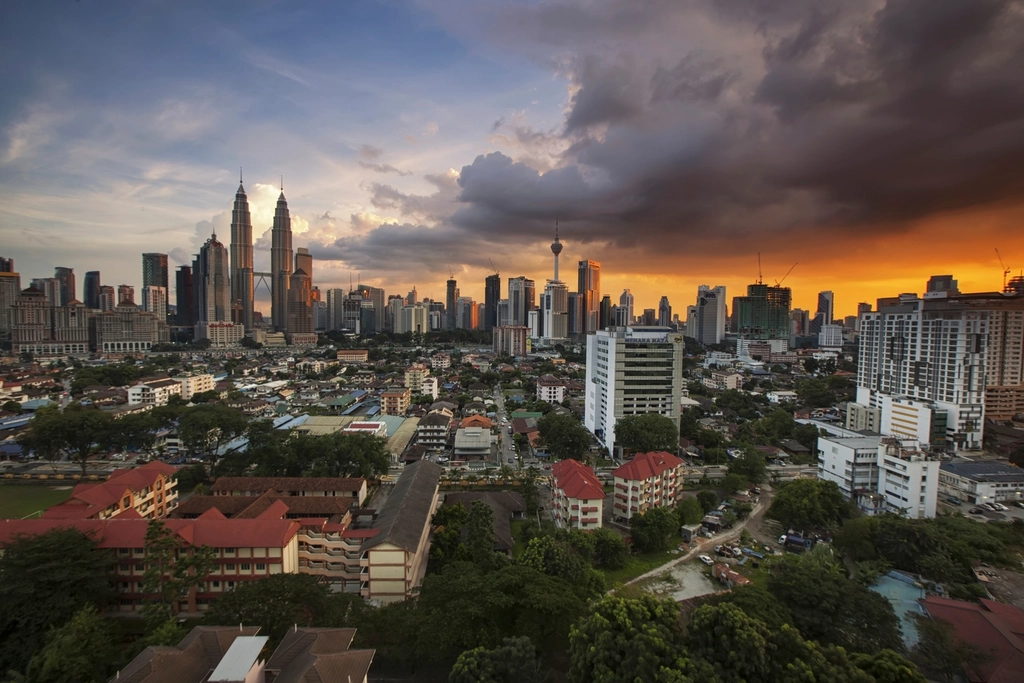
If Kuching is Borneo’s sophisticated city break, Kota Kinabalu is its adventure capital. Sabah’s capital sits on the northwest coast of Malaysian Borneo looking out across the South China Sea, backed by the Crocker Range and dominated — on clear mornings — by the hulking silhouette of Mount Kinabalu. It’s a brilliant destination: good food, spectacular nature, and some of the best diving in the world on your doorstep.
Prices checked August 2026. Everything here is what I actually paid or was actually quoted, in ringgit, in Kuala Lumpur. Malaysia moves fast — check before you commit to anything.
How to Get from KL to Kota Kinabalu
By Air
Flying is the only realistic option. KK Airport (BKI) is well connected to both KLIA and KLIA2 in KL.
- AirAsia — multiple daily flights from KLIA2, often RM 100–200 return booked in advance, sometimes as cheap as RM 60–70 each way on promotion
- Malaysia Airlines — flies from KLIA, typically more expensive but can be competitive on promotional fares
Flight time is approximately 2 hours 30 minutes. Book 4–8 weeks ahead for the best prices — school holidays and public holidays see prices spike significantly.
Immigration — Same Note as Sarawak
Sabah, like Sarawak, has its own immigration entry stamp. When you land at KK Airport as a foreign national, you’ll go through an immigration check and receive a separate Sabah entry. Your Malaysia entry from Peninsular Malaysia doesn’t automatically carry over. Bring your passport — you need it even for domestic flights between Peninsular Malaysia and Sabah/Sarawak.
When to Go
Sabah has a broadly year-round climate but the west coast (where KK is) is drier from April to September. The sea is typically calmer and clearer during this period, making it better for diving and island trips. The east coast (Semporna/Sipadan) is best April to October. Mount Kinabalu is climbable year-round but cloud-free summit views are more likely in the dry season.
How Many Days Do You Need?
- 4–5 days — KK city, Tunku Abdul Rahman Marine Park, and one wildlife experience
- 7 days — add Mount Kinabalu or Sandakan/Sepilok
- 10+ days — all of the above plus Semporna diving (Sipadan Island)
What to Do in and Around Kota Kinabalu
Tunku Abdul Rahman Marine Park
Five islands sit within the Tunku Abdul Rahman Marine Park just 20 minutes by speedboat from KK waterfront. All five — Gaya, Sapi, Manukan, Mamutik, and Sulug — have coral reefs, white sand beaches, and clear water. Day trips cost RM 20–35 per person boat fare plus park entry. Snorkelling equipment rental is available on each island. This is the most accessible diving and snorkelling near KK and it’s excellent.
Mount Kinabalu
At 4,095 metres, Kinabalu is the highest peak in Southeast Asia (outside of the Himalayas and its ranges) and a serious mountaineering objective by local standards. The summit trail from Timpohon Gate is not a casual hike — it’s a two-day, one-night ascent, starting around midnight on day two to reach the summit before dawn. Permits are strictly required and tightly capped — book 3–6 months in advance through Sabah Parks (sabahparks.org.my). Permits cost around RM 300–500 per person (including compulsory guide and basic summit accommodation).
If the full summit isn’t on your agenda, the Kinabalu Park around the base of the mountain is worth a visit regardless — botanical gardens, jungle trails, pitcher plant populations, and the world’s largest flower (Rafflesia) can sometimes be spotted in the forest nearby. The park is 2 hours from KK by bus or Grab.
Sepilok Orangutan Rehabilitation Centre
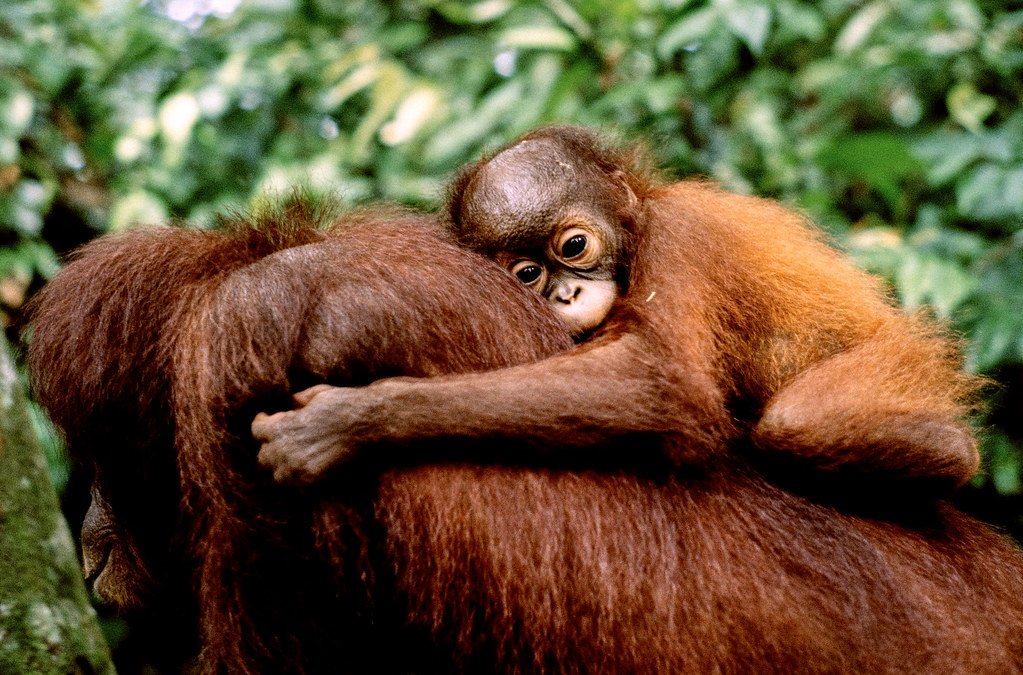
On the opposite (east) coast of Sabah, Sepilok is one of only a few places in the world where you can watch young orangutans being rehabilitated for return to the wild. Morning feeding sessions (9am) are the best time to visit. The nearby Bornean Sun Bear Conservation Centre is run by the same organisation and houses rescued sun bears — equally worth visiting. Combined entry fee: around RM 30–50 for foreigners.
Sepilok is about 5 hours from KK by bus or 3.5 hours by car. Most visitors stay overnight in Sandakan (the nearest large town) and do both centres as a one-to-two-night side trip.
Kinabatangan River
The Kinabatangan is the best place in Sabah — and arguably in all of Malaysia — for wildlife. The lower Kinabatangan River floodplain hosts enormous concentrations of wildlife squeezed into a narrow corridor of surviving forest: pygmy elephants, proboscis monkeys, Borneo orangutans, false gharials, long-tailed macaques, and over 200 bird species including the strikingly coloured kingfishers and hornbills. River boat safaris at dawn and dusk are the main activity.
Stay at a riverside lodge near Sukau or Bilit — there are options from basic to mid-range. Two nights gives you four safari sessions and is generally considered the minimum. Package tours from KK cost RM 400–800 per person for two nights including transport, accommodation, meals, and guided safaris.
Semporna and Sipadan Island
Sipadan Island is consistently rated as one of the world’s top three dive sites. The island sits off a submarine pinnacle that drops vertically hundreds of metres into the Sulawesi Sea — the walls, currents, and marine life (hammerheads, bumphead parrotfish, turtles in absurd numbers, barracuda tornadoes) are extraordinary. Daily dive permits for Sipadan are strictly capped at 120 per day and must be booked months ahead.
Semporna is the departure point for Sipadan — a rough-and-ready town 9 hours by bus or 1.5 hours by plane from KK. Most dive resorts are based on the nearby islands of Mabul and Kapalai, which are also excellent dive sites in their own right. Budget around RM 1,000–2,500 for a 3-night dive package.
Eating in KK
KK has excellent food, with a strong local Sabahan identity distinct from both Peninsular Malaysia and Sarawak.
- Filipino Market (Pasar Filipina) — the most atmospheric food experience in KK: a waterfront night market where vendors grill fresh seafood to order. Point at what you want, negotiate the price, and eat with your hands at tables overlooking the sea. The seafood — tiger prawns, stingray, clams — is phenomenally fresh. Budget RM 30–60 per person.
- Sabah Beef Noodles — a local speciality of hand-rolled noodles in rich beef broth. Very different from Peninsular Malaysian noodle dishes.
- Hinava — a traditional Kadazan-Dusun (indigenous) dish of raw fish marinated in lime juice and chilli, similar to ceviche. Worth trying at local restaurants.
- Tenom Coffee — Sabah grows its own coffee in the Tenom valley inland. The coffee culture here is distinct and excellent — try it black at a local kopitiam.
Getting Around Sabah
KK city itself is walkable in the centre. Grab works in KK. Long-distance within Sabah relies on buses (from Inanam Bus Terminal) or hired cars/taxis. For Kinabatangan, Sepilok, and Semporna, most visitors book package tours that include transport, which is strongly recommended given the distances and logistics involved.
Related Reading
🌊 Plan Your Sabah Adventure
Agoda
Best rates on KK hotels, Sepilok lodges, and Kinabatangan river camps. Strong coverage across Sabah.
Book NowSafetyWing
Cover for diving, trekking and remote jungle wildlife tours from USD 45/month. Essential for Sabah.
Get CoveredWise
Same Wise card works across Peninsular Malaysia and Sabah. No need to carry extra cash for the trip.
Open WiseSome links are affiliate links. I earn a small commission if you sign up at no extra cost to you. I only recommend things I actually use.