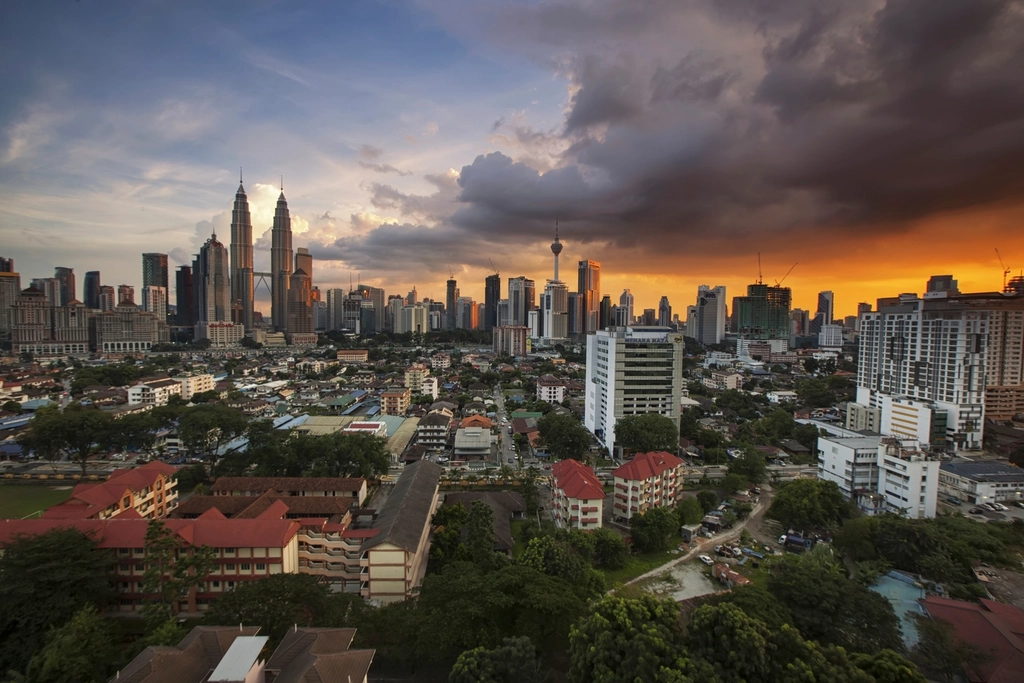
Kuala Lumpur is, in my experience, a genuinely safe city to live in and visit. After several years here, I walk around at night, use public transport late, and explore neighbourhoods across the city without feeling unsafe. That said, like any major city, KL has its own specific risks — and knowing what they are lets you navigate confidently rather than anxiously.
This is a realistic guide based on what I’ve actually experienced and observed, not a tourist board optimism piece or an exaggerated safety warning.
The Overall Picture
KL ranks well on global city safety indices and consistently comes out as one of the safer major cities in Southeast Asia. Violent crime against tourists and expats is rare. The city is not crime-free — petty theft, phone snatching, and bag grabs do happen — but serious incidents are uncommon and KL feels noticeably calmer than many comparable cities in the region.
As a British expat, I feel considerably safer walking around KL at night than I did in many UK cities I’ve lived in. That’s a genuine statement, not exaggeration.
Petty Theft and Bag Snatching
This is the main risk in KL for tourists and expats. Phone snatching in particular — a motorcyclist snatching a phone from a pedestrian or from someone sitting at an outdoor table — does happen in KL, particularly in busier tourist areas. Chinatown (Petaling Street), Bukit Bintang, and Chow Kit have had incidents.
Simple precautions reduce this risk substantially:
Don’t walk along the road with your phone out. Don’t sit at outdoor cafe tables with your phone on the table near the road edge. Carry bags on the shoulder away from the traffic side (wear a cross-body bag with the bag itself in front of you). Be aware of motorcycles when walking close to the road. Don’t leave bags on the backs of chairs in restaurants where someone can grab them.
None of this means being paranoid — millions of people live in KL without incident. It means being sensibly aware rather than carelessly exposed.
Scams Targeting Tourists
KL has its share of tourist-targeting scams. The most common:
Taxi overcharging: Drivers quoting inflated flat rates to tourists. Use Grab — the app shows the price before you book and eliminates this issue entirely.
“Gem scam” / “sister city” scam: Friendly strangers striking up conversation, gaining trust, then involving you in a purchase opportunity (jewellery, gems, goods) that turns out to be fraudulent. If a stranger in a tourist area is exceptionally friendly and the conversation drifts toward buying something — walk away.
Fake police: People claiming to be plainclothes police who demand to check your passport or wallet. Real police in Malaysia don’t approach people on the street this way. If this happens, stay calm, offer to go to a proper police station, and call the tourist police hotline (1-800-22-5050).
Areas to Be More Careful In
KL is generally safe across most areas, but some require more vigilance:
Chow Kit: KL’s street market district is lively and worth visiting for the food and atmosphere, but it has more petty crime than most other KL areas. Keep belongings secure and avoid it very late at night.
Petaling Street (Chinatown): Very touristy and generally fine in the day, but crowded conditions mean pickpockets exist. Fake goods vendors (selling “Louis Vuitton” bags etc.) are everywhere — buying these is technically illegal, though enforcement is inconsistent.
Bukit Bintang entertainment strip (late night): This is where KL’s nightlife concentrates. It’s generally safe but later at night (after 1–2am) the area becomes more lively and occasionally rowdier. Normal city night-out awareness applies.
Road Safety
This is probably the most significant safety consideration in Malaysia that doesn’t apply in the UK. Malaysian roads have a higher accident rate than UK roads. Motorcycles weave through traffic. Driving standards are more aggressive and lane discipline is loose.
As a pedestrian: use pedestrian crossings where available (and still check before crossing — not all drivers stop). Don’t assume cars will stop for you. Be careful at junctions.
As a driver: allow adjustment time, drive defensively, and be alert to motorcycles lane-splitting beside you at all times.
Natural Hazards
Flash floods: KL’s monsoon rains can be extremely heavy and flash flooding occurs in some areas, particularly low-lying streets and underpasses. If a severe storm hits, avoid low areas and underpasses. Flash floods subside quickly but can be severe during the event.
Haze: Malaysia periodically experiences haze from Indonesian agricultural fires (usually July–October), which can affect air quality significantly. On bad haze days, the Air Quality Index (AQI) can rise to unhealthy or hazardous levels. Monitor the Air Quality app or AirVisual, stay indoors during severe episodes, and get an N95 mask for very bad days. Most years are moderate; occasionally the haze is severe.
Sun and heat: KL is consistently hot and humid. Heat exhaustion and dehydration are real risks if you’re not used to the climate — particularly in your first few weeks. Stay hydrated, wear sun cream, and don’t underestimate the combination of heat and humidity if you’re doing physical activity outdoors.
LGBTQ+ Safety in KL
Malaysia is a Muslim-majority country and homosexuality is illegal under both civil and Islamic law. In practice, enforcement against tourists is extremely rare and the expat community includes LGBTQ+ individuals who live openly in KL. However, public displays of affection between same-sex couples are inadvisable, and visitors should be aware of the legal and social context. The situation for LGBTQ+ people in Malaysia is complex — tolerated in private practice in the cosmopolitan city but formally illegal.
Solo Female Travel in KL
KL is one of the more comfortable cities in Southeast Asia for solo female travellers. Women travel independently, use public transport, and navigate the city without significant issue. The usual sensible precautions apply (use Grab rather than flagging random taxis, be aware of surroundings at night, etc.) but overall the city is manageable and many women live here independently without problems.
Emergency Numbers in Malaysia
Police: 999
Ambulance: 999
Tourist Police hotline: 1-800-22-5050
Fire: 994
Register your travel with the UK Foreign Commonwealth & Development Office (FCDO) if you’re visiting — this makes it easier to get consular assistance if something goes wrong. The British High Commission in KL is on Jalan Ampang.
Travel Safe and Smart
Expat health and travel insurance for Malaysia. Covers medical emergencies, hospitalisation, and evacuation if needed. Start from a few dollars a day for solid coverage across Southeast Asia.
Use secure encrypted connections on public wifi in cafes, hotels, and transit hubs — especially important when accessing banking apps or anything sensitive on Malaysian public networks.
Keep only what you need in cash — use Wise for low-fee ATM withdrawals and payments in ringgit. No need to carry large amounts of cash in KL.
Some links are affiliate links. I earn a small commission if you sign up at no extra cost to you. I only recommend things I actually use.