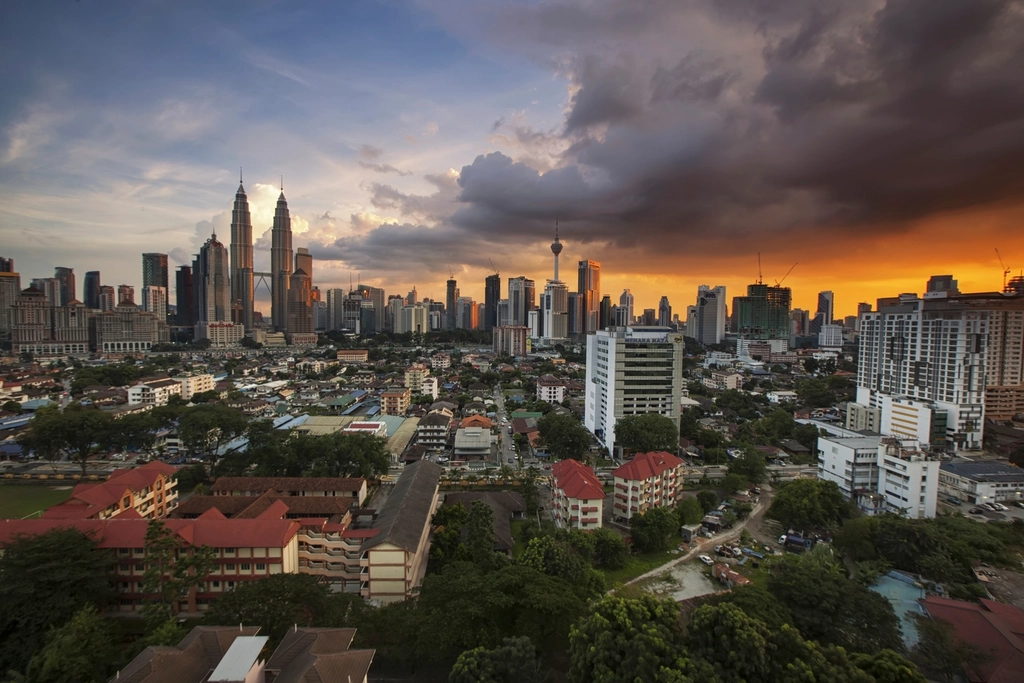
I arrived in KL six weeks before my first Chinese New Year here. I knew it was a big deal in Malaysia — I’d read that the celebrations lasted a fortnight — but I had no idea what that actually meant in practice. Kuala Lumpur in Chinese New Year is one of the most spectacular things I’ve witnessed in my years of travel. This guide is for everyone who wants to experience it properly rather than just observing from the outside.
Chinese New Year in Malaysia: The Scale of It
Malaysia is approximately 23% ethnically Chinese, and KL’s Chinese Malaysian population is significant. Chinese New Year (CNY) — known as Tahun Baru Cina in Malay — is one of Malaysia’s most important public holidays. The country observes two public holidays for CNY (the first and second day), but the celebrations last fifteen days from the first day of the lunar new year until Chap Goh Mei (the fifteenth and final night).
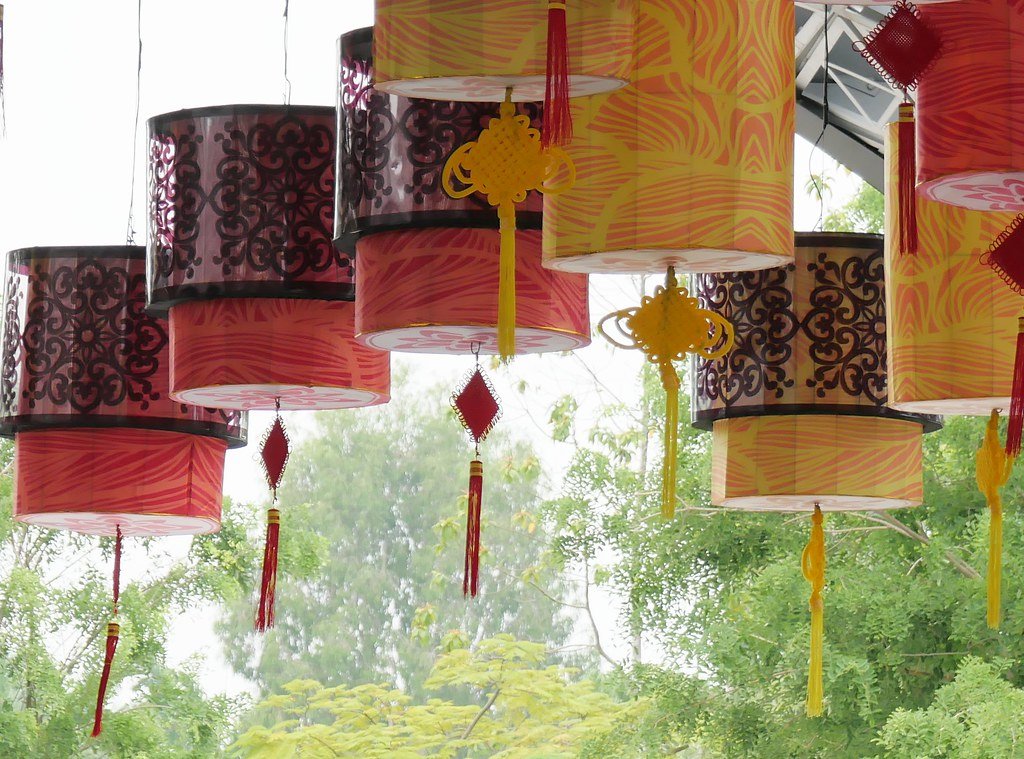
Unlike in China, where CNY is primarily a time to return to family homes in rural areas, Malaysian Chinese often celebrate in the city. This means KL doesn’t empty out during CNY — it becomes a spectacle. Lion dances in shopping malls, streets illuminated by red lanterns, firecrackers (where permitted), the distinctive sound of ang pow packets being exchanged, and the smell of pineapple tarts and bak kwa (barbecued meat) everywhere.
When Is Chinese New Year?
CNY falls on a different date each year — it follows the Chinese lunar calendar. The date changes annually, typically falling somewhere between late January and late February. In 2025 it was January 29th. In 2026 it was February 17th. Check the upcoming date if you’re planning a trip specifically for CNY.
The two days of public holiday mean KL businesses follow varied schedules. Government offices and many businesses close for 2–5 days. Some Chinese-owned restaurants and businesses close for longer. Shopping malls and major attractions typically remain open (often with extended hours and special decorations).
The Fifteen Days: What Happens When
Eve of Chinese New Year (Reunion Night)
The night before CNY — equivalent to Christmas Eve in terms of family importance. Chinese families gather for reunion dinner (团圆饭, tuán yuán fàn) — the most important meal of the year. Restaurants serving Chinese cuisine are packed in the weeks before CNY as families book private rooms for reunion dinners. Hotels with Chinese restaurants sell out their reunion dinner packages months in advance.
As midnight approaches, some neighbourhoods (particularly older Chinese residential areas in Kepong, Cheras, and Petaling Jaya) have firecrackers. The sound is extraordinary if you’ve never experienced it.
CNY Day 1 and 2 (Public Holidays)
The most family-focused days. Chinese Malaysians visit parents and relatives, exchange ang pow (red envelopes containing money), and observe various traditions depending on their dialect group. Shopping malls typically open for the evening with lion dances and special performances.
Traffic around KL is lighter than usual on Day 1 as many people stay home with family. By Day 2 and into the first week, the city starts coming alive with celebrations.
The First Week
Lion dance troupes visit shops and businesses throughout KL. The dance — acrobatic performers in a lion costume guided by drums, cymbals, and gongs — is meant to bring prosperity and good luck. You’ll encounter lion dances spontaneously in shopping malls, along commercial streets, and outside businesses. They’re loud, energetic, and genuinely spectacular, particularly the versions where the lion climbs a pole to reach a head of lettuce and ang pow suspended at height.
Petaling Street (Chinatown) is particularly busy. The street is decorated heavily and the commercial atmosphere mixes with genuine celebration.
Chap Goh Mei (Day 15)
The final night of CNY celebrations, considered the Chinese equivalent of Valentine’s Day in Malaysia — traditionally a night when single people look for partners. The famous tradition at Taman Jaya lake in Petaling Jaya and at other KL lake parks: single women throw mandarin oranges into the water with their names and phone numbers written on them, hoping they’ll be recovered by eligible suitors. This sounds apocryphal but it genuinely happens, drawing large crowds.
Chap Goh Mei night has carnival atmosphere — food stalls, lanterns, performances, and families celebrating the end of the festival period.
Where to Experience CNY in KL
Petaling Street (Chinatown)
The most concentrated and traditional CNY atmosphere in KL. The street is decorated months in advance — red lanterns, large CNY decorations, lights. Market stalls selling CNY snacks (pineapple tarts, kuih, bak kwa, mandarin oranges) line the streets from mid-January onwards. On CNY eve and the first days of celebration, Petaling Street is packed and the atmosphere is electric.
Pavilion KL
The shopping mall does CNY decorations on a grand scale. The main atrium features enormous CNY installations (the zodiac animal for the year is typically the centrepiece), lion dances on the hour, and a schedule of performances through the first week of CNY. Pavilion’s CNY decorations have become destination attractions in their own right — genuinely impressive at scale.
Suria KLCC
Similar to Pavilion — extensive decorations, lion dance performances, special CNY-themed food stalls in the food court. The combination of the Twin Towers lit up with the CNY decorations inside the mall is spectacular.
Mid Valley Megamall
Another major CNY celebration venue. The central atrium at Mid Valley consistently delivers impressive CNY installations. Popular with families and typically less crowded than KLCC or Pavilion.
Chow Kit and Kepong
For a more authentic, less tourist-oriented experience, Chow Kit’s older Chinese commercial streets and the Kepong residential areas have neighbourhood-level celebrations that feel genuinely local. Less flashy than the mall versions, but more authentic.
Food During Chinese New Year
CNY food is a study in symbolic eating:
Yu Sheng (Loh Sang): The CNY salad toss. A dish of raw fish, julienned vegetables, crackers, and sauces that diners toss together while calling out prosperity wishes (“Lou hei! Lou hei!”). The higher you toss, the more prosperity you invite. This is done communally and joyfully, often results in significant mess, and is one of the genuinely fun communal food rituals of the CNY season. Every Chinese restaurant in KL offers yu sheng from mid-January through CNY. Don’t skip it.
Bak Kwa: Sweet, sticky barbecued pork (or chicken, for the halal market) sold by weight. A CNY staple — the queues outside bak kwa stalls in the weeks before CNY are legendary. Bee Cheng Hiang and Kim Gary are among the established names.
Pineapple Tarts: Buttery pastry with pineapple jam filling, made in large batches for gifting and snacking. Every Chinese family has a preferred recipe or baker. Available everywhere from mid-January.
Nian Gao: Sticky glutinous rice cake — eaten for good luck (the name sounds like “high year” in Cantonese). Fried in egg batter and eaten warm.
Mandarin Oranges: Gifted and received throughout CNY. Every visitor to a Chinese home brings mandarin oranges (always in pairs — odd numbers are unlucky). The stalls selling mandarin oranges in the weeks before CNY are stacked floor to ceiling.
Practical Information for Visitors During CNY
Book accommodation in advance. KL hotels fill up during CNY — particularly for the eve and first days. Use Booking.com or Agoda and book months ahead if you’re specifically planning a CNY trip.
Some businesses close. Particularly Chinese-owned restaurants and shops — some close for up to 5 days during the first week. Have backup plans for meals. Shopping malls and major chains typically remain open.
Transport can be lighter. With some people away with family, KL traffic can actually be lighter on CNY Day 1 and 2. Grab remains operating normally throughout.
The ang pow tradition: Red envelopes (ang pow) containing money are given by married elders to younger and unmarried people. As a visitor or expat, you’re not expected to participate in this tradition but you may receive one if invited to a Chinese family home — graciously accept with both hands.
Other Major Festivals in Malaysia
While CNY is spectacular, Malaysia celebrates festivals across its three major ethnic communities and you may encounter others depending on when you visit:
Hari Raya Aidilfitri: The Malay Muslim celebration ending Ramadan — equivalent scale and importance to CNY for the Malay community. Open houses, visiting, and traditional Malay food. The most joyful public celebration atmosphere in KL outside of CNY.
Deepavali (Diwali): The Hindu festival of lights, celebrated by Tamil Malaysians. Little India (Brickfields) in KL transforms with lights, decorations, and events. Temple visits, oil lamps, and the distinctive kolam (rangoli) floor patterns mark the occasion.
Malaysia Day / Merdeka: National day celebrations (August 31st — independence from Britain) and Malaysia Day (September 16th) bring patriotic decorations throughout KL and a parade along Dataran Merdeka (Independence Square).
Malaysia’s multi-ethnic, multi-faith calendar means there are genuine celebrations happening throughout the year — one of the most appealing aspects of living here.
Plan Your CNY Trip to KL
Book your CNY KL hotel well in advance — accommodation fills fast around the holiday. Agoda has the best Asian hotel inventory and often the best prices.
Search Agoda →Compare with Agoda for CNY KL hotels. Free cancellation options are useful when you’re booking months ahead for a specific festival date.
Search Booking.com →Travel health insurance for your Malaysia trip. SafetyWing covers you for the festival period and across your full trip — monthly subscription, cancel any time.
Get SafetyWing →Some links are affiliate links. I earn a small commission if you sign up at no extra cost to you. I only recommend things I actually use.