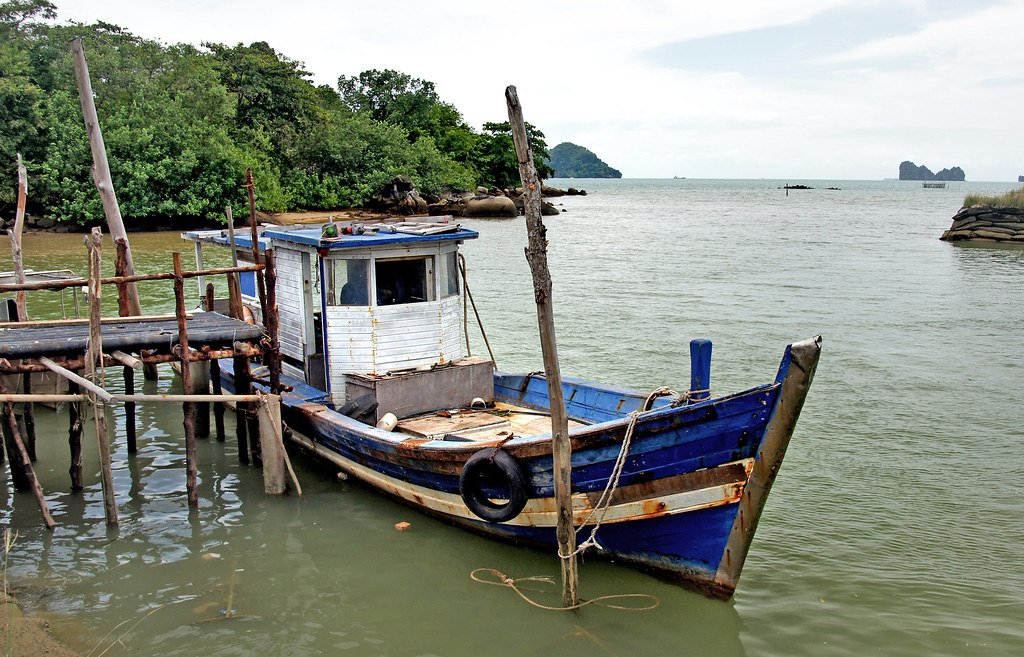
The Perhentian Islands are the best reason to leave KL for a long weekend.
Prices checked August 2026. Everything here is what I actually paid or was actually quoted, in ringgit, in Kuala Lumpur. Malaysia moves fast — check before you commit to anything.
Two small islands off the northeast coast of Malaysia — Perhentian Besar (Big) and Perhentian Kecil (Small) — with turquoise water, coral reefs, sea turtles, and the kind of beach you thought you’d have to go to the Maldives to find. They’re 3 hours by bus from KL and a boat ride from the jetty. The water is genuinely that colour.
This guide covers how to get there from KL, the difference between the two islands, what to do, where to stay, and when to go.
Perhentian Besar vs Perhentian Kecil — Which Island?
The two islands are separated by a narrow channel and 5 minutes by boat. They’re different enough to make this a real choice.
Perhentian Besar (Big Island)
Quieter, more developed for mid-range and resort accommodation, cleaner beaches in places, more tranquil. Most of the larger resort-style accommodation is here. Long Beach on Besar is one of the nicest beaches on either island — calm, long, swimmable.
Best for: Couples, families, anyone wanting a quiet holiday with nicer facilities and less noise
Perhentian Kecil (Small Island)
Paradoxically the busier island despite being “small”. Coral Bay and Long Beach on Kecil are the main backpacker areas — budget chalets, beach bars, dive shops, a younger crowd. More social atmosphere. Coral Bay is sheltered and excellent for swimming; Long Beach on Kecil is slightly rougher but beautiful.
Best for: Solo travellers, young couples, divers, backpackers, anyone wanting a social scene
The practical reality: You can easily take a boat between the islands (RM 5–10), so you’re not locked in. Pick your base for your preferred accommodation style, explore both.
How to Get to the Perhentians from KL
There’s no direct train. The standard route is bus to Kuala Besut (the jetty town), then boat to the island.
Step 1: KL to Kuala Besut by Bus
From TBS (Terminal Bersepadu Selatan), KL: Direct overnight buses to Kuala Besut, departing around 10pm–midnight, arriving ~6am. Journey time: approximately 6–7 hours. Cost: RM 30–50.
This overnight option is ideal — you sleep on the bus, arrive at dawn, catch the morning boat, and you’re on the island by 8am without losing a day of holiday. Book via Easybook.com or buy at TBS in advance for weekends and school holidays.
Daytime buses also run but the overnight is the efficient choice for a long weekend.
Step 2: Kuala Besut to the Island by Boat
From Kuala Besut jetty, shared speedboats run to both islands. The ride takes 30–45 minutes depending on which island and which beach you’re heading to. Boats run from approximately 7am–5:30pm. Cost: RM 35–70 per person depending on destination.
The jetty area has guesthouses if you arrive very early and want to wait for the first boat in comfort. There are also luggage storage facilities at the jetty.
Alternative: Fly to Kota Bharu, then bus
AirAsia flies KL→Kota Bharu (40 minutes). From Kota Bharu, a bus or taxi to Kuala Besut takes about 1.5 hours. Works out similar overall to the bus if you can get a cheap flight and prefer not to do the overnight coach.
The Season — When to Go
This is the most important thing to get right.
Open season (May to October): The islands are accessible, waters are calm, visibility for snorkelling and diving is excellent. Peak season is June–August when the islands are busiest. May and September/October are shoulder season — still great weather, lower prices, thinner crowds.
Monsoon season (November to March): The northeast monsoon hits Terengganu badly. The islands are inaccessible — virtually all accommodation closes, boats don’t run, the seas are rough. You cannot visit the Perhentians between November and March. Do not plan a trip for these months expecting to get there.
The sweet spot: May (after opening, before the peak rush) or September/October (after the main crowd, still good weather).
What to Do on the Perhentians
Snorkelling
The coral reefs around both islands are excellent and accessible directly from the beach at some spots (particularly around Coral Bay, Kecil). Snorkel gear rentals are available from most chalets and dive shops (RM 15–25/day).
The best snorkel spots are reached by boat — half and full day snorkelling trips are available from RM 35–70 per person and typically visit 3–5 sites including turtle spots (sea turtles are common here), coral gardens, and the tip of the islands where currents bring larger fish.
Scuba Diving
The Perhentians are one of the best places in Southeast Asia to learn to dive. The water is warm and calm during peak season, visibility is good, and the marine life is diverse. PADI Open Water courses are available on both islands, typically RM 700–900 for a 3–4 day course. Fun dives (for certified divers) run RM 100–150 per dive including equipment.
Popular dive sites include:
- Tuna Bay — shark and ray territory
- D’Lagoon — beginner-friendly, turtles
- Sugar Wreck — a small wreck dive, accessible to Open Water divers
- Shark Point — as it sounds
Sea Turtles
Green and hawksbill turtles nest on Perhentian beaches and feed in the surrounding waters. You can encounter them snorkelling — particularly on the rocks and reef around Turtle Bay (Besar) and various snorkelling tour spots. The turtles are wild and magnificent; approach respectfully, keep distance, never touch or chase.
Kayaking
Available from most accommodation; explore the coastline, small caves, and the passage between the islands at your own pace. Half-day kayak rentals: RM 20–40.
Doing Nothing
Reading a book on a white sand beach with turquoise water lapping a few metres away is the legitimate main activity on the Perhentians. Don’t underestimate it.
Where to Stay
Budget (Under RM 100/night)
Simple fan chalets or dormitory beds, mostly on Kecil. Basic, sometimes creaky, but you’re on a beach in paradise. Examples: Matahari Chalet, D’Lagoon Chalet.
Mid-Range (RM 100–300/night)
Air-conditioned chalets, some with sea views, most meals available on-site. The comfortable sweet spot for most travellers. Examples: Bubu Resort (Besar), Shari-La Island Resort (Besar).
Higher End (RM 300–600+/night)
The Perhentians don’t have true luxury resorts — this is their appeal to many. The “higher end” here is comfortable beach resort, not Maldivian overwater villa. Examples: Tuna Bay Island Resort, Abdul’s Chalets (Besar).
Book early for June and July — accommodation is limited and fills up weeks in advance. Use Agoda or Booking.com to compare options and read recent reviews.
Food on the Islands
Each resort or chalet has its own restaurant serving a standard backpacker/beach menu: pasta, pizza, grilled fish, Western breakfasts, Malay dishes, fruit smoothies. Quality is perfectly decent rather than remarkable. Fresh fish and seafood is good. Prices are higher than the mainland (everything has to come by boat) — expect to pay RM 15–35 per main.
There are small minimart-style shops on Kecil. Alcohol is available at restaurants on Kecil (being a non-dry island in practice) — bring cash as card machines are not universal.
Practical Notes
- Cash is king. ATMs are not on the islands. Bring enough ringgit for your entire stay plus emergencies.
- Mobile signal. Variable. Celcom and Maxis have some coverage; don’t count on it. WiFi at most guesthouses is basic.
- Power. Most accommodation has electricity but cuts at midnight or 1am on a generator-powered system. Charge devices before midnight.
- Plastic shoes or water shoes are useful — rocky sections on some beaches.
- Don’t drink tap water. Bottled water available everywhere.
- Sunscreen. The equatorial sun is relentless. Reef-safe sunscreen is strongly preferred to protect the coral.
Related Reading
🏝️ Book Your Perhentian Trip
Agoda
Best for island accommodation in Malaysia. Good selection of Perhentian chalets and resorts.
Search AgodaBooking.com
Good for reading recent reviews. Free cancellation options available for many island properties.
Search BookingSome links are affiliate links. I earn a small commission if you sign up at no extra cost to you. I only recommend things I actually use.