Most visitors to Kuala Lumpur come to KLCC for the Petronas Twin Towers. That’s the draw, and it’s a valid one — the towers are genuinely extraordinary. But KLCC the neighbourhood is more than a photo backdrop. It’s where a significant portion of KL’s expat population lives and works, where the best hotel pools in Southeast Asia are, where upscale dining coexists with a very good food court, and where the evening park scene is something genuinely worth experiencing.
Prices checked August 2026. Everything here is what I actually paid or was actually quoted, in ringgit, in Kuala Lumpur. Malaysia moves fast — check before you commit to anything.
This is a guide to the neighbourhood as a whole — not just the towers, but the streets, the park, the malls, the food options, and the surrounding area that makes KLCC one of the more liveable and walkable corners of KL.
The Petronas Twin Towers
You know them. The towers are the tallest twin towers in the world, opened in 1998, designed by Cesar Pelli with an eight-pointed star cross-section drawn from Islamic geometric patterns. At 452 metres, they dominated the Asian skyline when they opened and they’re still the most architecturally distinctive buildings in Southeast Asia.
The Skybridge is on the 41st and 42nd floors connecting both towers — an actual bridge you walk across with a vertigo-inducing view straight down. It’s not free — tickets are around RM85 for adults, correct at time of writing — and it’s timed entry booked through the official Petronas website. Timed entry, limited daily slots — book at least a few days ahead, ideally more.
The Observation Deck on the 86th floor gives you the high view — cityscape in every direction, well above the surrounding buildings. Ticketed separately.
If you’re an expat living in KL, you’ll likely bring every visitor you have to KLCC at some point. The best view of the towers is actually from the park below, especially at night when they’re illuminated.
KLCC Park
The park at the base of the towers is 50 acres of landscaped greenery with a lake, fountains, jogging track, children’s playground, and wading pool. It’s one of the more pleasant urban parks in Southeast Asia — well maintained, free to enter, open until midnight, and genuinely used by the local population for evening walks, runs, and picnics.
The musical fountain show runs multiple times in the evening (check current schedule on the KLCC website) — jets of water choreographed to music with the towers lit behind them. It’s genuinely good, especially with children, and draws a crowd every night.
Running in KLCC Park is one of the better jogging experiences in KL — the 1.3km lake loop is well-lit, flat, and populated enough to feel safe late at night. Many expats make this part of their daily routine.
Suria KLCC — The Mall
The mall at the base of the towers is Suria KLCC, one of KL’s most popular shopping destinations. It covers six floors with about 300 stores — full international brand range from Zara to Louis Vuitton, a good mid-range level with H&M, Uniqlo and Marks & Spencer, and a top floor food court (Signatures) that’s a cut above the typical mall food court.
Suria KLCC’s Signatures food court on Level 4 is one of the better sit-down food courts in KL — cleaner, slightly pricier than hawker centres, but with a good range of Malaysian, Chinese, Indian, and Western options and air conditioning. Useful reference point when you’re in the area and want reliable food without committing to a restaurant.
The Isetan supermarket in the basement has a good Japanese product range and imported foods — useful for expats who want Japanese groceries without going to Bangsar or Damansara.
Dining in KLCC
The KLCC area has a concentration of hotel restaurants and upscale dining because of the Mandarin Oriental, Traders Hotel, and several other five-star properties in the area. That means good food, but it also means prices are higher than most of KL.
Best upscale options:
- Nobu KL — Japanese-Peruvian fusion, part of the Nobu chain, inside the Mandarin Oriental. Excellent, reliably expensive.
- Marini’s on 57 — Italian fine dining on the 57th floor of a building directly across from the towers. The view is the selling point — dinner with the towers at eye level — but the food is genuinely good too.
- Fuego — Latin American restaurant also on the 57th floor of the same building. Same spectacular view, livelier atmosphere.
- Atmosphere 360 — revolving restaurant at the top of the KL Tower (not KLCC, but walkable) for a full 360-degree city view.
More casual options:
- The food court at Suria KLCC (Level 4 Signatures) — reliable and convenient
- Ben’s — a well-established KL cafe chain, several outlets in Suria KLCC, good for a relaxed lunch
- Wonton Mee stalls along Jalan Ampang — the street running northeast from KLCC has several good local options as you get further from the towers
The Hotels of KLCC
The KLCC area has some of the best hotel pools in Malaysia:
Mandarin Oriental — the classic. Pool with direct views of the Petronas Towers, luxurious, consistently excellent service. One of the top hotels in Southeast Asia.
Traders Hotel — connected to Suria KLCC by a bridge, rooftop pool on the 33rd floor with a famous straight-on tower view. Less expensive than the Mandarin Oriental but the pool view is arguably better.
Impiana KLCC — slightly less known, good pool, more budget-friendly for the area.
If you’re an expat who wants to do a hotel staycation or impress visiting guests, KLCC hotels are the obvious choice. The Traders and Mandarin Oriental regularly run weekend deals worth checking.
Aquaria KLCC
The aquarium in the basement of the KL Convention Centre (KLCC) is one of Southeast Asia’s better indoor aquariums. It’s primarily aimed at families but is genuinely impressive — the main tank is large enough to feel dramatic, and the touch pool section is good for children. The walking tunnel through the shark tank is the highlight. Tickets around RM60–80 for adults (check current prices).
Not a must-do if you’re here without children, but solid for a family day out and a good option on a rainy afternoon.
Walking Around KLCC — The Surrounding Streets
The streets immediately around KLCC — particularly Jalan Ampang, Jalan P. Ramlee, and the roads running towards Bukit Bintang — are worth exploring on foot if you’re in the area.
Jalan P. Ramlee is KL’s main nightlife strip — bars and clubs running the length of the road, popular with expats and young professionals, busiest from Thursday through Saturday from about 10pm onwards. If you want KL’s equivalent of a pub crawl, this is where it happens.
The KLCC-Bukit Bintang connector is an elevated covered walkway running from KLCC through Pavilion mall into Bukit Bintang — one of the most useful pieces of infrastructure in KL for pedestrians, since the distance is too far to walk at street level in the heat and too close to warrant a Grab. It’s free, air-conditioned, and connects the two main upscale shopping and dining districts seamlessly.
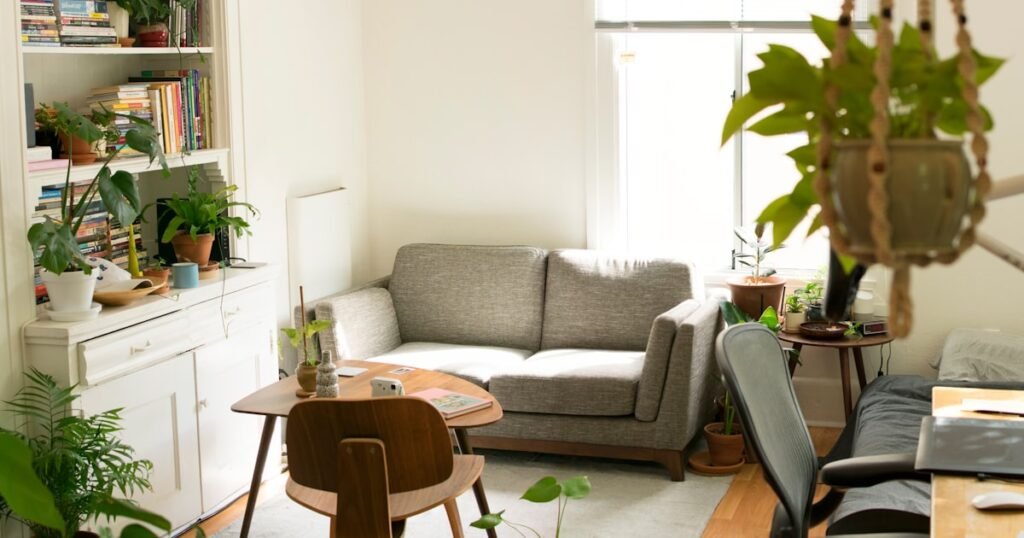
Living in KLCC
For expats who can afford it, KLCC is one of the best postcodes in KL. The area has:
- Walking distance to Suria KLCC, the park, and two MRT/LRT stations
- Multiple high-end condo developments with pools, gyms, and concierge services
- Very walkable by KL standards — you can reach restaurants, cafes, and shops on foot
- Close proximity to the Golden Triangle business district
- Multiple international schools within 15 minutes
The trade-off is cost — condos in KLCC proper are among the most expensive in KL. Typical monthly rental for a well-furnished 1-bedroom is RM3,500–6,000; 2-bedrooms in the better buildings run RM6,000–12,000 and up. Comparable to central areas in Singapore but significantly cheaper.
Most long-term KLCC expats live in buildings like Binjai on the Park, 10 Mont Kiara (for those commuting from north KL), or the various residences directly adjacent to the park. The absolute premium is a unit with a direct tower view, which carries a significant rental premium.
Getting to KLCC
KLCC has its own LRT station (KLCC station on the Kelana Jaya line) which deposits you directly under Suria KLCC mall. From KL Sentral, it’s a direct ride on the Kelana Jaya line — no change needed — about 15–20 minutes total.
By Grab, KLCC is accessible from most of KL in 15–30 minutes depending on traffic. The problem is setting down — the drop-off zones around the towers and mall can be congested, especially evenings and weekends. The park has its own entrance drop-off that’s often cleaner.
Best Time to Visit KLCC
For photographs of the towers: golden hour (about 45 minutes before sunset) and the hour after dark when the towers are fully illuminated are both excellent. The blue-sky window just before sunset gives you the famous blue-and-gold shot.
For the park: evenings (6–9pm) are lively with joggers, families, and the fountain show. Mornings before 9am are quiet and less hot.
For shopping: weekday afternoons are quieter than weekends in Suria KLCC — the mall is genuinely busy on weekend afternoons.
🏨 Planning Your KLCC Visit
Agoda
Great rates on KLCC hotels — Traders, Impiana, and other tower-view options often have deals.
Compare HotelsWise
Best exchange rate for Malaysian ringgit. Accepted everywhere in KLCC including the top-floor restaurants.
Open WiseNordVPN
Stay secure on hotel Wi-Fi and access UK/US streaming while living in or visiting KL.
Get NordVPNSome links are affiliate links. I earn a small commission if you sign up at no extra cost to you. I only recommend things I actually use.