My first time landing at Kuala Lumpur International Airport, I made a classic mistake. I stepped off the plane, followed the signs to arrivals, waited for my bag, then confidently walked up to the train ticket counter — only to be told, very politely, that the train didn’t depart from this terminal. I was at KLIA2. The train left from KLIA. They’re connected, sort of, but not in the way I’d assumed.
That confusion cost me about 45 minutes and a minor panic. It also taught me that KL’s airport situation is genuinely unique and worth understanding before you arrive. This guide covers everything — which terminal your flight uses, how to get into the city, what to do if you’ve got a long layover, and how to avoid the overpriced taxi touts.
KLIA vs KLIA2: What’s the Difference?
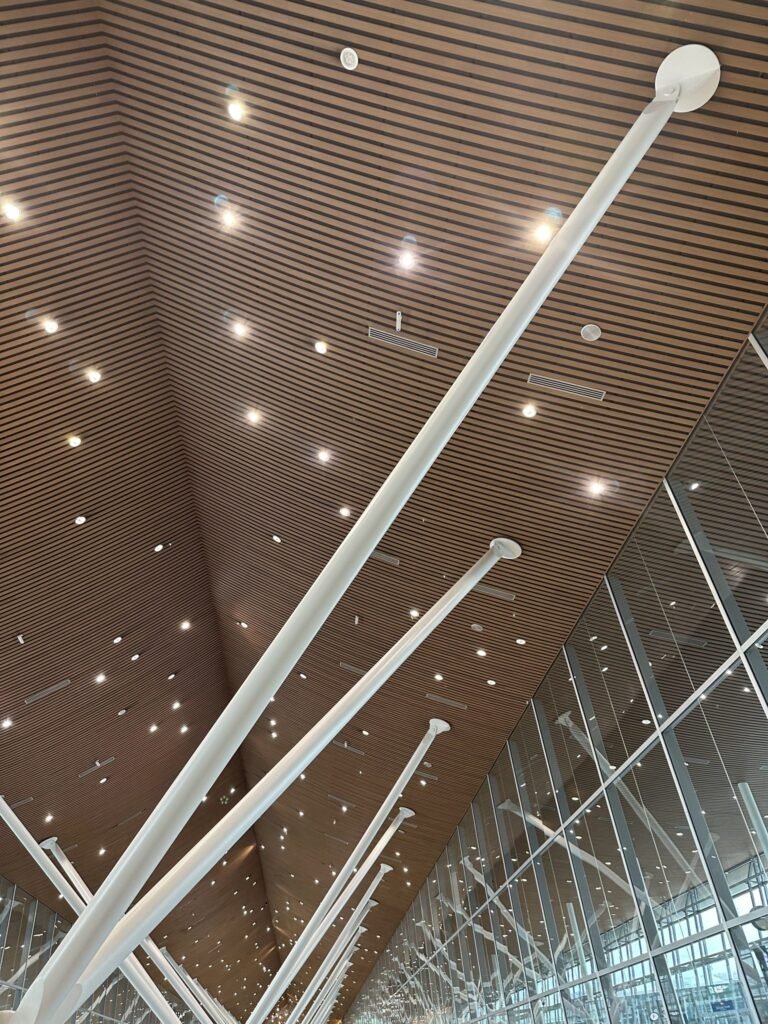
Kuala Lumpur has two airports, but they’re actually on the same site — just different terminals. KLIA (Kuala Lumpur International Airport) is the main terminal, opened in 1998 and designed by the late Kisho Kurokawa. It’s airy, spacious, and genuinely beautiful — soaring ceilings and a jungle-inspired design that still impresses me every time I pass through.
KLIA2 opened in 2014 and was built primarily for budget carriers. It’s larger and busier than the main terminal but feels more chaotic, with a massive mall taking up a big chunk of the floor plan. Think Changi, but louder and with more AirAsia branding.
The key thing to know is which airlines use which terminal:
KLIA (Main Terminal): Malaysia Airlines, Cathay Pacific, British Airways, Singapore Airlines, Emirates, Qatar Airways, Thai Airways, and most other full-service international carriers.
KLIA2: AirAsia, AirAsia X, and other budget carriers. If you’re flying in on a low-cost carrier from anywhere in Southeast Asia — Bali, Bangkok, Manila, Singapore — you’re almost certainly arriving at KLIA2.
When you’re booking flights or planning your arrival, always double-check your terminal. Many flight confirmation emails just say “KUL” for Kuala Lumpur, leaving you to figure it out. Look for “KLIA” or “KLIA2” specifically, or check the airline’s website.
Getting from KLIA / KLIA2 into KL City
This is where most first-timers get caught out — either by taking an overpriced taxi or spending an hour on a slow bus when a 28-minute train exists. Let me break down your options.
The KLIA Ekspres (My Recommendation)
The KLIA Ekspres train is genuinely excellent. It runs directly from both KLIA and KLIA2 to KL Sentral station in the heart of the city, and it’s fast — 28 minutes from KLIA, about 33 minutes from KLIA2. Trains run every 15–20 minutes from around 5am to midnight, and the carriages are clean, cool, and have luggage racks.
The fare is MYR 55 (about £10 / $12 USD) from KLIA, or MYR 55 from KLIA2 as well. It’s not cheap by Malaysian standards, but compared to any other city’s airport rail link, it’s decent. You can buy tickets at the machines or counters in arrivals. There are also occasional discount codes floating around online — worth a quick search before you fly.
From KL Sentral, you can connect to the LRT, MRT, Monorail, or grab a Grab to your hotel. The station is well-connected and easy to navigate.
Important note: if you’re at KLIA2, the train platforms are not right at the arrivals exit. You’ll walk through the terminal, past the shopping mall, and follow signs to the Ekspres station. Give yourself 10 minutes to find it the first time.
The KLIA Transit (Slower Train, More Stops)
The KLIA Transit is a slower version of the Ekspres — same line, but stops at three intermediate stations (Salak Tinggi, Putrajaya/Cyberjaya, and Bandar Tasik Selatan) before reaching KL Sentral. It takes about 36–45 minutes depending on your terminal. The fare is slightly cheaper at MYR 46 to KL Sentral.
Unless you specifically need one of those intermediate stops, take the Ekspres.
Airport Buses
Multiple bus operators run from both terminals to KL city centre and other destinations. Aerobus, Starwagon, and others run to various parts of the city for around MYR 12–15. The journey takes 60–90 minutes depending on traffic, which in KL can be unpredictable. The buses are comfortable enough, but I only take them if I’m in absolutely no rush and watching every ringgit.
Grab (The Sensible Taxi Option)
Forget the taxi touts at arrivals. They’re expensive and operate on fixed rates that are nearly always higher than a Grab. Download the Grab app before you arrive (Southeast Asia’s answer to Uber), and you can book a car from a designated Grab pickup point at either terminal. From KLIA to central KL, you’re looking at MYR 60–90 depending on time of day and traffic. From KLIA2, slightly less.
The Grab pickup point at KLIA is well-signposted. At KLIA2 it’s a bit of a walk — follow the signs for “e-Hailing” once you clear customs. It takes 45–75 minutes to central KL by road, again depending on traffic. If you’re arriving during rush hour (7–9am or 5–8pm), add 30–45 minutes.
Metered Taxis
Metered taxis are available from official taxi counters inside both terminals. You pay a flat rate at the counter based on your destination, then take a voucher to the driver. Prices are fixed and transparent — around MYR 70–90 to the city centre. It’s more expensive than Grab but completely legitimate and fine. Avoid anyone approaching you before you reach the official counter.
Getting Between KLIA and KLIA2
This is crucial if you have a connecting flight between a budget and full-service carrier, or if you land at the wrong terminal (it happens).
By train: The KLIA Transit stops at both terminals. A single journey between KLIA and KLIA2 costs MYR 2.10 and takes about 3 minutes. This is the fastest and easiest option.
By free shuttle bus: There’s also a free shuttle bus running between the two terminals, but it takes 20–30 minutes and isn’t worth it unless the train is down.
If you have a connecting flight between the two terminals, give yourself at least 2.5 hours. The transfer sounds quick on paper but clearing immigration (if needed), getting your bags, going through security again, and finding your gate all adds up fast.
Facilities: What to Expect at Each Terminal
KLIA Main Terminal
KLIA is the more pleasant of the two to spend time in. The satellite building (connected by an underground train) has a gorgeous rainforest garden in the middle — a genuine patch of tropical trees inside the terminal that I always stop to look at. Facilities include:
Food: Nasi lemak, roti canai, laksa, and a range of international options. Prices are airport-inflated but not outrageously so. The mamak-style stalls on the ground floor near baggage claim are decent and affordable.
Currency exchange: Multiple money changers throughout the terminal. Rates are better than you’d find at many airports but not as good as in the city. If you need cash immediately, change a small amount here; change the rest in KL proper or use a Wise card to withdraw from an ATM.
SIM cards: Available from Maxis, Celcom, and Digi counters near arrivals. Prices are similar to the city — around MYR 30–50 for a tourist SIM with data. I’d pick one up here rather than hunting for a store in the city.
Lounges: The Plaza Premium Lounge is available for purchase access (around MYR 120–150 for 3 hours). Worth it if you’ve got a long wait. Priority Pass and similar programmes also give access to various airline lounges in the terminal.
KLIA2
KLIA2 is an interesting beast. It’s essentially a giant shopping mall with an airport attached. The airside section has hundreds of shops, restaurants, and cafes — I’ve spent a perfectly enjoyable three hours there reading a book and eating char kway teow. Facilities include:
Food: Excellent variety. Old Town White Coffee, Madam Kwan’s, lots of fast food, and a good selection of local Malaysian food. Prices are reasonable by airport standards.
Currency exchange: Many options throughout the terminal. Same advice as above — small amount here if needed, better rates in town or use Wise.
SIM cards: Multiple counters both landside and airside. Easy to find and set up.
Transit hotel: Tune Hotel is right inside KLIA2, which is handy for early departures or late arrivals. Rooms are basic but functional.
Surviving a Long Layover
If you’ve got more than six hours and don’t want to pay for a lounge, KL is actually one of the better cities for a quick layover visit. The KLIA Ekspres gets you to the city centre in under 30 minutes, and there’s plenty you can do in 3–4 hours: grab a meal in Bangsar or Bukit Bintang, wander through Brickfields (Little India), or just sit in an air-conditioned café.
The key is factoring in time. I’d say you need at least 5 hours’ total layover to make a city visit worth it — allowing 30 minutes each way on the train, 90 minutes in the city, and getting back through security. Under 5 hours, you’re better off in the terminal.
Also worth knowing: both KLIA and KLIA2 have free WiFi (look for “KLIA Free WiFi” or similar) that’s actually decent. You can get a day pass at the Plaza Premium Lounge, or just settle into a coffee shop airside with your laptop.
Tips for Departing from KL
A few things catch first-timers out when leaving:
Budget extra time: Especially at KLIA2, the check-in queues for AirAsia can be genuinely long. I always allow an extra hour over what I think I need. Aim to be at the airport 2.5–3 hours before departure, not 2.
Immigration queues: Malaysian immigration at departure can be slow during peak hours. If you’ve got a 7am or 8am flight, you’re in good company with hundreds of other people trying to get through before the mad rush.
Duty free: The duty-free at KLIA is genuinely good for alcohol and chocolates. Malaysia being a majority Muslim country means alcohol is expensive elsewhere, so the departure duty-free is where many expats stock up before leaving. The chocolate selection is also impressive.
KLIA Ekspres check-in: You can actually check your bags in at KL Sentral for select Malaysia Airlines and AirAsia flights. This is a brilliant option — check your bags in town, hop on the train without luggage, and go straight to security at the airport. Ask at the counters at KL Sentral if your flight is eligible.
My Honest Take
After three years of flying in and out of KL, I’ve come to genuinely appreciate the airport setup. Yes, having two terminals is occasionally confusing, but the KLIA Ekspres makes it easy to get into town, the facilities are good, and the whole experience is smoother than most Southeast Asian airports I’ve been through.
Get the Ekspres, have a Grab as backup, grab a SIM at arrivals, and you’ll be sorted. KL is an easy city to arrive in once you know what you’re doing — and now you do.
Agoda — great deals on hotels across KL and Malaysia
Booking.com — flexible cancellation options, worldwide
Wise — real exchange rates, no airport rip-offs
Related Reading
Before you get anywhere near the terminal, make sure your arrival card is sorted — it is free, and I paid £70 to two websites that said otherwise.
Some links in this post are affiliate links. I earn a small commission if you sign up at no extra cost to you. I only recommend things I actually use.