Malaysia is one of the most welcoming countries in the world for foreigners, and Malaysians are genuinely patient with expats who are still figuring things out. That said, there are cultural norms and etiquette points that will make your life easier and help you make a better impression. None of this is complicated — most of it is common sense once someone explains the context.
Malaysia Is Three Countries in One (Roughly)
The most important thing to understand about Malaysia is that it is a multi-ethnic, multi-religious society. The three main communities — Malay, Chinese Malaysian, and Indian Malaysian — each have their own traditions, religious practices, and cultural norms, and they coexist in the same cities, often on the same street.
Malays are predominantly Muslim. Chinese Malaysians are predominantly Buddhist, Taoist, or Christian. Indian Malaysians are predominantly Hindu. Understanding which community you are interacting with in a given moment helps you calibrate the right behaviour. A Chinese hawker stall has completely different norms from a Malay restaurant, which has different norms from an Indian banana-leaf rice place.
The good news: Malaysians are used to navigating this diversity themselves. They will not expect you to get everything right immediately and will generally find it endearing when you try.
Mosques and Malay Cultural Spaces
Malaysia is a majority-Muslim country. About 60% of the population is Malay Muslim, and Islamic practices shape much of public life, particularly on Fridays (the holy day) and during Ramadan.
- Dress modestly when visiting mosques — women need to cover their hair, arms, and legs. Robes are provided free at major mosques (National Mosque provides them). Men need to cover their knees and shoulders.
- Remove shoes before entering any mosque or Malay home
- Do not offer your left hand for handshakes — in Malay and Indian culture, the left hand is associated with bathroom hygiene. Use your right hand. If accepting something (a business card, a gift, food), use both hands or your right hand.
- During Ramadan, eating, drinking, or smoking in public in front of Muslims who are fasting is considered disrespectful. Restaurants and hawker stalls largely continue operating, but be aware of the context — particularly outside KL in more conservative states.
- Pork and alcohol are not consumed by Muslims. Halal restaurants will not have either. This is clearly signalled — look for “Halal” certification on restaurants. Chinese hawker centres typically serve both pork and beer. Indian restaurants may be vegetarian.
Temples and Hindu/Buddhist Cultural Spaces
- Remove shoes before entering any temple
- Dress modestly — covering shoulders and knees
- Do not touch religious statues or offerings
- Photography is usually permitted but ask if unsure, and never photograph people praying without permission
Greetings and Social Interaction
Malaysia does not have a single standard greeting across all communities, but a few things apply broadly:
- Handshakes are common between men and between women, and between mixed-gender Western-style professional settings. In traditional Malay settings, men and women who are not related do not typically shake hands with the opposite gender. In practice, follow the other person’s lead — if they extend their hand, shake it; if they press their hand to their chest instead, mirror that.
- “Selamat pagi” (good morning), “Selamat petang” (good afternoon/evening), “Terima kasih” (thank you) — learning even a handful of Malay phrases is noticed and appreciated. Most Malaysians will respond warmly to any attempt at Bahasa Malaysia.
- Age and seniority are respected in all three communities. Address older people with titles — “Uncle” and “Auntie” are genuinely used for older adults even if unrelated, and this is a mark of respect, not condescension.
Eating Etiquette
Food is central to Malaysian social life. A huge amount of social bonding happens over meals. Some things to know:
- At a hawker centre, you typically sit at a shared table, wave to a drink seller who comes around separately, and order food from whichever stall you want. You can mix orders from multiple stalls at the same table. Pay each stall separately.
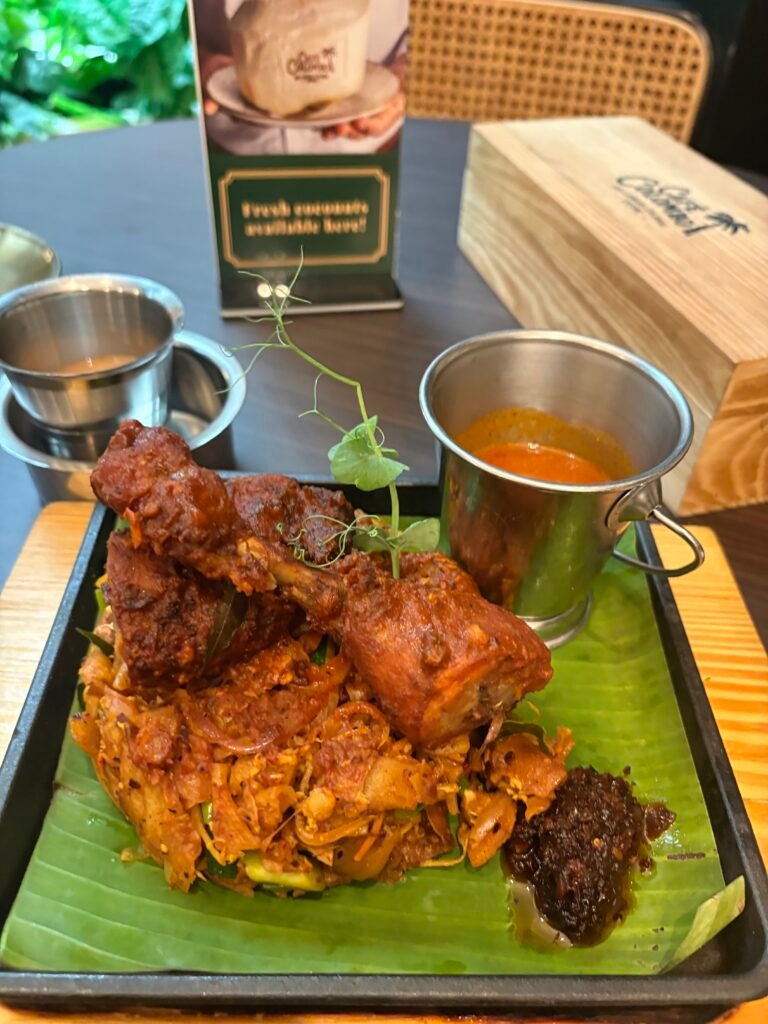
- Hands are used for eating in some Indian and Malay settings — banana leaf rice is traditionally eaten with the right hand. Cutlery is available if you prefer, but locals will not mind if you try eating the traditional way.
- Sharing food is the norm. When eating in a group, dishes are often ordered communally and shared. It is common to order more than you think you need and share from the middle of the table.
- Refusing food can be mildly awkward if someone has specifically offered something to you. Accepting a taste is generally easier socially than a flat refusal. If you have dietary restrictions, explaining them clearly (“I don’t eat pork” or “I’m vegetarian”) is perfectly acceptable.
- Tipping is not customary at hawker stalls. At mid-range and upscale restaurants, a 10% service charge is often already added to the bill (look for “service charge included”). If not added and the service was good, 10% is appreciated but not expected.
Public Behaviour
- Malaysia is conservative in public displays of affection. Holding hands is fine. Kissing and embracing in public, particularly in Muslim-majority areas, is frowned upon. In KL’s more cosmopolitan areas (KLCC, Bangsar, Bukit Bintang) this is less observed, but be aware of context.
- Pointing — in Malay culture, pointing with the index finger is considered rude. Point with your thumb (right hand, fingers curled in) or gesture with your whole hand instead. You will see Malaysians do this naturally.
- Raising your voice or losing your temper in public is very much frowned upon across all communities. Disputes are generally handled quietly and indirectly. If you have a complaint at a restaurant or shop, keep your tone even — escalating causes the other person to lose face, which makes resolution harder, not easier.
- Queue etiquette varies by setting. At government offices, banks, and formal queues, Malaysians queue properly. At hawker centres and informal settings, it can be more chaotic. Read the situation.
Malaysian Public Holidays
Malaysia has an unusually high number of public holidays — partly because all three main communities’ major celebrations are national holidays. When a holiday falls on a weekend, the following Monday is typically a day off.
Major holidays to know about:
- Hari Raya Aidilfitri (Eid al-Fitr) — end of Ramadan. The biggest celebration in Malaysia. Many businesses close for several days. KL empties as people return to their hometowns. Two days’ public holiday but effectively a week-long disruption.
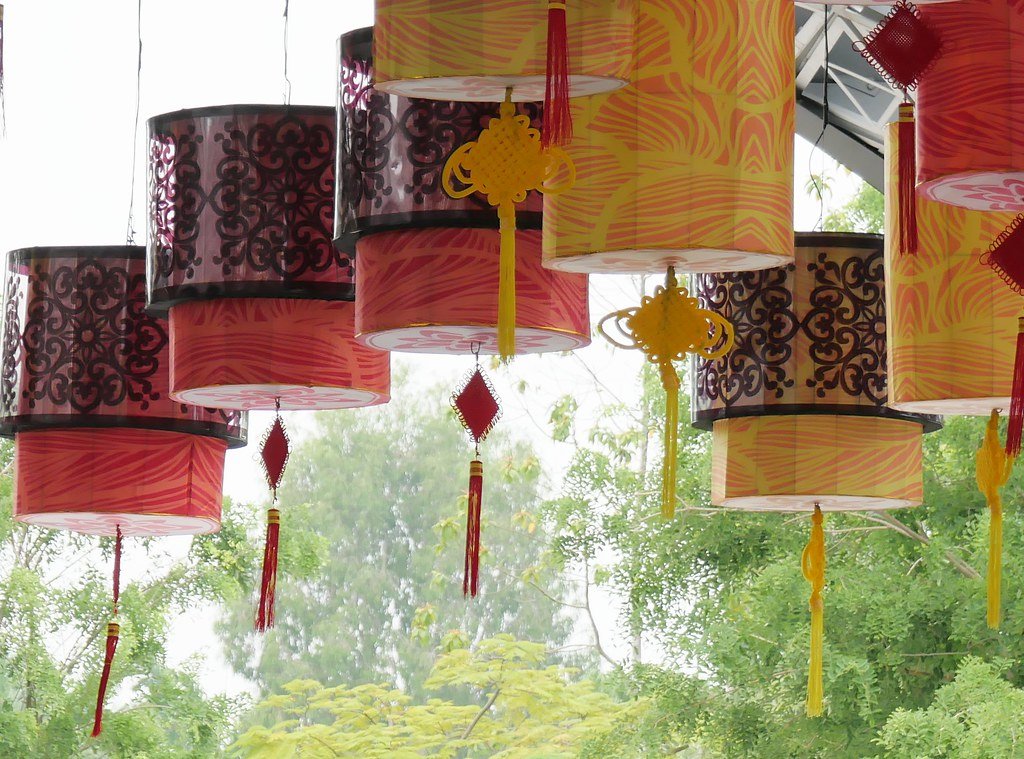
- Chinese New Year — January/February. Major celebration for Chinese Malaysians. Two days’ public holiday, many Chinese-owned businesses closed for a week.
- Thaipusam — Hindu festival in January/February. Massive procession at Batu Caves. Public holiday in KL and Selangor.
- Wesak Day — Buddhist celebration, May.
- National Day (Merdeka) — August 31st. Independence Day.
- Malaysia Day — September 16th.
- Deepavali — Hindu festival of lights, October/November.
- Christmas — December 25th. Public holiday nationally.
Language
The national language is Bahasa Malaysia (Malay). But English is an official working language, widely taught in schools, and used throughout business and public life in KL and major cities. You will not struggle to communicate in English.
You will also notice Manglish — Malaysian English — which has its own vocabulary and rhythm. Particle words like “lah”, “lor”, “mah”, and “kan” are used for emphasis and to soften statements. “Can?” means “Is that possible?” or “Shall we?”. “Cannot” means “No” or “That’s not possible”. Once you tune into it, it becomes charming rather than confusing.
The Bottom Line
Malaysians are patient, hospitable, and genuinely pleased when foreigners make an effort. You do not need to be an expert in all three cultures immediately. Showing respect, being curious about the food, using a few Malay phrases, and keeping a generally courteous tone will take you a very long way here.
Settling Into KL
Wise — Send Money to Malaysia
Real exchange rates, low fees. The smart way to move GBP to MYR.
SafetyWing — Health Cover
Expat health insurance from USD 45/month. Covers you across Malaysia and beyond.
NordVPN — Stay Connected
Access UK TV, UK banking, and streaming from Malaysia. Stay secure on public WiFi.
Some links are affiliate links. I earn a small commission at no extra cost to you. I only recommend things I actually use.