One of the first practical questions I had when I moved to KL was: where do I actually buy food?
Prices checked August 2026. Everything here is what I actually paid or was actually quoted, in ringgit, in Kuala Lumpur. Malaysia moves fast — check before you commit to anything.
Not restaurants — I’d figured those out on day two. I mean proper groceries. The stuff you need for a functioning household. Milk, eggs, olive oil, pasta, coffee, decent cheese, fresh veg, cleaning products, the whole lot.
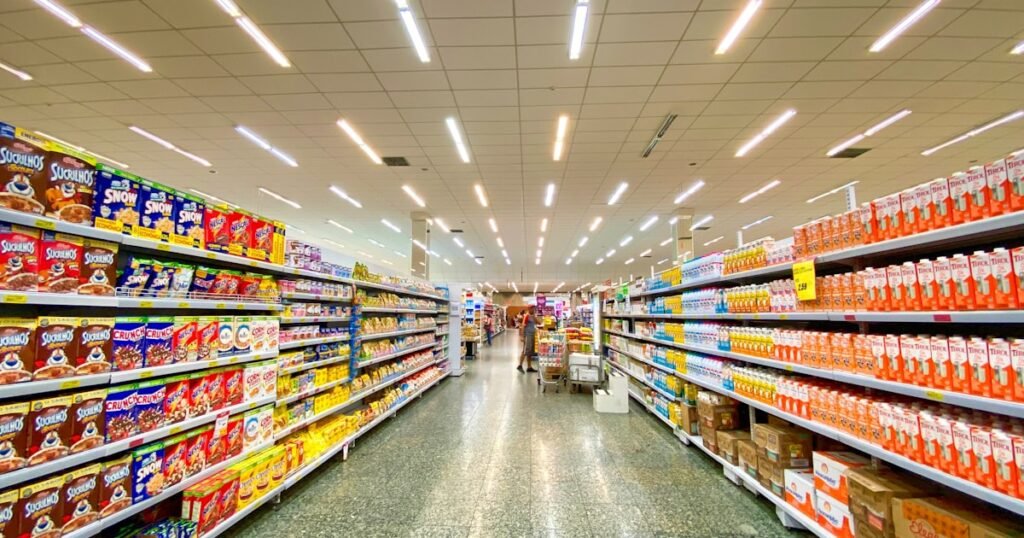
The answer is more complicated than back home. KL doesn’t have one dominant supermarket chain the way the UK has Tesco or the US has Whole Foods. There are five or six different options, each with its own strengths, price points, and product ranges — and learning which to use for what saves you a surprising amount of time and money.
Here’s the full guide.
The Main Supermarket Options in KL
1. Jaya Grocer — Best for Western Expats
If you want a shopping experience that feels closest to a good UK supermarket, Jaya Grocer is your answer. It stocks a wide range of imported products, has excellent fresh produce, good deli and cheese sections, and a solid selection of organic and health food items.
Prices are higher than local alternatives — you’ll pay close to Western prices for imported goods — but the range justifies it if you want specific things. It stocks brands you recognise: Philadelphia cream cheese, San Pellegrino, Heinz, Marmite, Lurpak butter, foreign wine.
Best for: Imported goods, cheese, charcuterie, fresh produce, organic products, baked goods
Price level: $$$ (Mid to high)
Locations: Ampang Point, Intermark, 1 Utama, The Gardens Mall, Publika, Empire Shopping Gallery
2. Village Grocer — Premium Quality
Village Grocer is the upscale option. Think Whole Foods but smaller. Excellent quality, beautiful fresh produce, good ready-meal sections, and a lovely deli. Also the most expensive option by some margin.
I go here when I want to treat myself or when I’m looking for something specific — like good sashimi, high-quality meat, or a specific imported condiment. It’s not my weekly shop.
Best for: Premium fresh produce, fish, meat, ready meals, sushi
Price level: $$$$ (High)
Locations: Bangsar Village, BV2, Mid Valley, Damansara Perdana, Sunway Pyramid
3. Cold Storage — The Classic Expat Supermarket
Cold Storage has been serving KL’s expat community for decades. It’s well-stocked with imported goods, reliably carries Western brands, and has better coverage of the city than Village Grocer. The quality is solid without reaching Village Grocer’s premium tier.
Good wine section. Good cheese section. Reasonable fresh produce. Not the cheapest, but consistently decent.
Best for: General imported groceries, wine, cheese, familiar Western brands
Price level: $$$ (Mid to high)
Locations: KLCC, Bangsar Shopping Centre, 1 Utama, IOI City Mall, The Starling
4. Lotus’s (formerly Tesco) — Best Value for Everyday Shopping
If you want to save money on the everyday basics, Lotus’s (which was rebranded from Tesco after the ownership change) is your main go-to. It’s a large-format hypermarket, well-stocked with Malaysian and Asian brands, decent own-brand products, and consistently low prices.
The fresh produce section is fine. The meat and fish sections are good. You won’t find much imported Western food here, but for rice, noodles, sauces, cleaning products, household goods, snacks, and local fresh produce, it’s excellent value.
Best for: Local brands, household products, budget shopping, bulk buying
Price level: $ (Low)
Locations: Pandan Indah, Kepong, Ampang, AEON malls across KL
5. AEON and AEON Big — The Japanese Chain
AEON is a Japanese supermarket chain with strong coverage across Malaysia. Quality is consistently good, prices are mid-range, and the fresh produce sections are particularly well-organised. AEON Big is the larger-format version.
Good range of both local and some imported products. Often anchors large shopping malls so convenient if you’re already going for other reasons.
Best for: Fresh produce, Japanese products, everyday groceries at decent prices
Price level: $$ (Mid)
Locations: Alpha Angle, Cheras Selatan, Wangsa Maju, Bukit Tinggi and many others
6. Mydin — Cheapest Option
Mydin is a local Malaysian hypermarket chain that undercuts almost everyone on price. It’s not the most pleasant shopping experience — it can be chaotic and the layout is confusing — but if you’re watching your budget and need bulk household goods, cleaning products, or local brands, it’s significantly cheaper than anywhere else.
Best for: Absolute cheapest prices on local products, bulk household goods
Price level: $ (Very low)
Locations: USJ, Mutiara Damansara, Shah Alam, and others
My Weekly Shopping Strategy
I’ve settled into a pattern that most KL expats I know follow in some form:
- Everyday basics and local produce: Lotus’s or AEON for rice, noodles, sauces, local veg, cleaning products. This covers 70% of my spending at 40-50% less cost.
- Western-specific items: Jaya Grocer or Cold Storage once a week or fortnight. Cheese, specific sauces, pasta, coffee beans, wine, anything I need that the local stores don’t carry.
- Treats and quality meat: Village Grocer occasionally when I’m in the mood or specifically want premium quality.
This split approach saves me easily RM 200-300 per month compared to shopping exclusively at premium stores.
Wet Markets — The Secret the Expat Guides Don’t Tell You
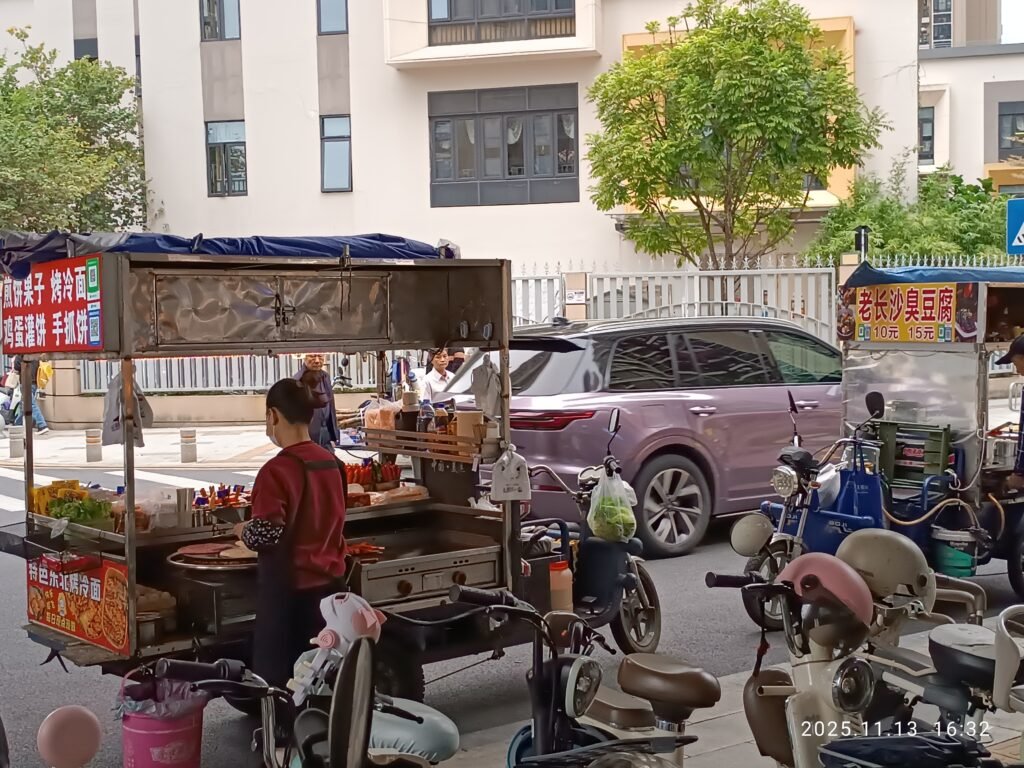
Here’s what most blog posts about KL groceries skip entirely: the wet markets.
Every neighbourhood has one. They open early (usually 6am–12pm, some go to 2pm) and sell fresh produce, meat, fish, and local products at prices that make supermarkets look expensive. The quality is outstanding — everything is fresher because the turnover is higher.
The experience is different from a supermarket. You’re buying from individual stalls, you might need a few words of Malay or to just point, and it’s cash-only at most stalls. But the produce is phenomenal and extremely cheap. A whole chicken, enormous bunches of kangkung (water spinach), fresh fish, tropical fruit — all at prices that will seem absurd if you’re used to UK supermarkets.
Main wet markets worth knowing:
- Bangsar Market — Inside Bangsar Village area. Extremely well-stocked, popular with expats, some English spoken
- Chow Kit Market — One of the largest in KL, incredible range, very authentic, cheap
- Pasar Taman Tun Dr Ismail (TTDI) — Popular with the expat community in that area
- Taman Connaught Night Market — Wednesday nights, enormous, one of KL’s biggest pasar malam
Go once and you’ll understand why locals rarely buy produce in supermarkets. I try to hit a wet market every 10 days or so for fresh fruit, veg, and fish.
Night Markets (Pasar Malam) — Prepared Food and Produce
Every neighbourhood in KL has a weekly night market. They run in the early evening (roughly 5pm–10pm) on a fixed day each week, and sell everything from fresh produce to ready-cooked food to cheap clothing and household goods.
For grocery purposes, the produce stalls at pasar malam are excellent — fresh tropical fruit, vegetables, eggs, sometimes fresh fish. The cooking stalls also mean you can pick up dinner while you shop.
Search “pasar malam [your neighbourhood]” to find the day and location near you.
Online Grocery Delivery in KL
KL has genuinely good grocery delivery options. If you don’t want to schlep to a supermarket:
- Jaya Grocer Delivery — Available via their own app and through Grab Mart. Fast, reliable, reasonable delivery fees.
- Grab Mart — Connects to multiple supermarkets. Often fast (under an hour). Convenient if you already use Grab.
- Lotus’s Online — Available for larger shops. Good for bulky items you don’t want to carry.
- HappyFresh — Personal shopper model that picks from supermarkets for you. Good for when you want someone to choose fresh produce on your behalf.
- Tesco / Lotus’s Express Delivery — Their own app also does delivery.
I use Grab Mart regularly for top-ups between bigger shops. For a full weekly shop I usually still go in person because I like picking fresh produce myself.
Specific Products and Where to Find Them
Cheese
Real imported European cheese is available in KL — you’re not going without. Village Grocer has the best selection including some aged varieties. Jaya Grocer and Cold Storage both carry decent ranges. Expect to pay roughly 2-3x what you’d pay in the UK. Brie, Camembert, Parmesan, Cheddar, goat’s cheese — all findable. Specialty cheeses like Reblochon or aged Gruyère require Village Grocer or occasional luck elsewhere.
Wine
Malaysia is a Muslim-majority country, so alcohol is taxed heavily. Wine is available — Jaya Grocer, Cold Storage, Village Grocer all have wine sections — but expect to pay significantly more than UK prices. A decent bottle that would cost £8 in the UK is more like RM 60-80 (roughly £10-13) here. Beer at supermarkets is also available. Expats often stock up at duty-free on flights in.
Bacon and Pork
Pork products are available in KL but only at non-halal stores and specific sections of supermarkets. Look for the “non-halal” section, usually physically separated. Cold Storage and Jaya Grocer both carry decent pork ranges. Wet markets in Chinese-majority areas (like Chow Kit and Taman Desa) have excellent fresh pork.
Bread
Local Malaysian bread (Gardenia, High-5) is extremely cheap but quite sweet. For proper bread — sourdough, rye, ciabatta — head to Jaya Grocer (which has an in-store bakery) or the artisan bread sections at Village Grocer. Many local bakeries in food courts also sell decent fresh bread cheaply.
Good Coffee Beans
KL has a great specialty coffee scene. Jaya Grocer stocks a rotating range of local specialty roasters. You can also buy direct from cafés like Pulp by Papa Palheta or Artisan Roast. For Malaysian white coffee (kopi), the local brands at any supermarket are great and very cheap.
Olive Oil
Available at Jaya Grocer, Cold Storage, and Village Grocer. More expensive than Europe but findable. Lotus’s carries a basic range at better prices.
Oat Milk and Plant-Based Products
KL has caught up quickly on plant-based options. Oat milk (Oatly, local brands) is now in Jaya Grocer, Cold Storage, and some Lotus’s branches. Plant-based meat options (Beyond, Impossible, local brands) are at Jaya Grocer and Village Grocer.
Practical Tips for Grocery Shopping in KL
- Bring bags. Malaysian supermarkets charge for plastic bags (RM 0.20 per bag in most places). Keep a tote or two in your Grab bag.
- Check the wet market first. For fruit, veg, and fresh produce, the wet market will almost always be cheaper and fresher than any supermarket.
- Use the Lotus’s app. Regular discounts and promotions. Worth downloading if you shop there often.
- Grab Mart for late-night needs. If you realise you’re missing something at 10pm, Grab Mart delivers from 7-Eleven and other convenience stores quickly.
- 7-Eleven is everywhere. KL has 7-Elevens on almost every block. Not for your weekly shop, but useful for milk, eggs, and snacks at any hour.
- Large malls often have multiple supermarkets. Mid Valley, for example, has both Cold Storage and Jaya Grocer. Worth checking before you go.
Price Comparison: What Things Cost
To give you a realistic sense of grocery prices in KL (all prices approximate in RM as of 2026):
| Item | Local Shop/Lotus’s | Jaya Grocer/Cold Storage | Village Grocer |
|---|---|---|---|
| Eggs (10) | RM 5–6 | RM 7–9 | RM 9–12 |
| Whole chicken | RM 14–18 | RM 20–28 | RM 28–38 |
| 1L milk | RM 6–8 | RM 8–12 | RM 10–15 |
| Bread (loaf) | RM 3–4 | RM 8–15 (artisan) | RM 12–18 |
| Cheddar (200g) | Not usually available | RM 18–25 | RM 22–35 |
| Pasta (500g) | RM 4–6 | RM 7–12 | RM 9–14 |
| Wine (bottle) | Not usually stocked | RM 50–120 | RM 60–200+ |
| Mango (each) | RM 2–4 (wet market) | RM 5–8 | RM 7–12 |
The pattern is clear: buying Western imports costs money, but local produce is extraordinary value. Learning to cook with local ingredients — a curry here, noodles there — saves a lot and forces you to explore some incredible food.
The Bottom Line
Grocery shopping in KL is good once you know the system. The key points:
- Use the wet market for fresh produce — cheaper and better quality than supermarkets
- Jaya Grocer or Cold Storage for Western imports you can’t do without
- Lotus’s or AEON for everyday local staples and household products
- Grab Mart for convenience top-ups and late night runs
- The pasar malam (night market) is a weekly treat, not just for food but for the experience
Budget around RM 600–900 per month on groceries if you cook at home most nights with a mix of local and Western food. Cook mainly Malaysian/Asian and it drops significantly. Buy everything from Village Grocer and it goes up sharply.
Within a month you’ll have your own rhythm and your go-to spots for everything. It’s actually one of the more enjoyable parts of settling into KL — figuring out where all the good stuff is.
Related Reading
💰 Money Tools for KL Expats
SafetyWing
Expat health insurance from USD 45/month. Required for DE Rantau visa.
Some links are affiliate links. I earn a small commission if you sign up at no extra cost to you. I only recommend things I actually use.