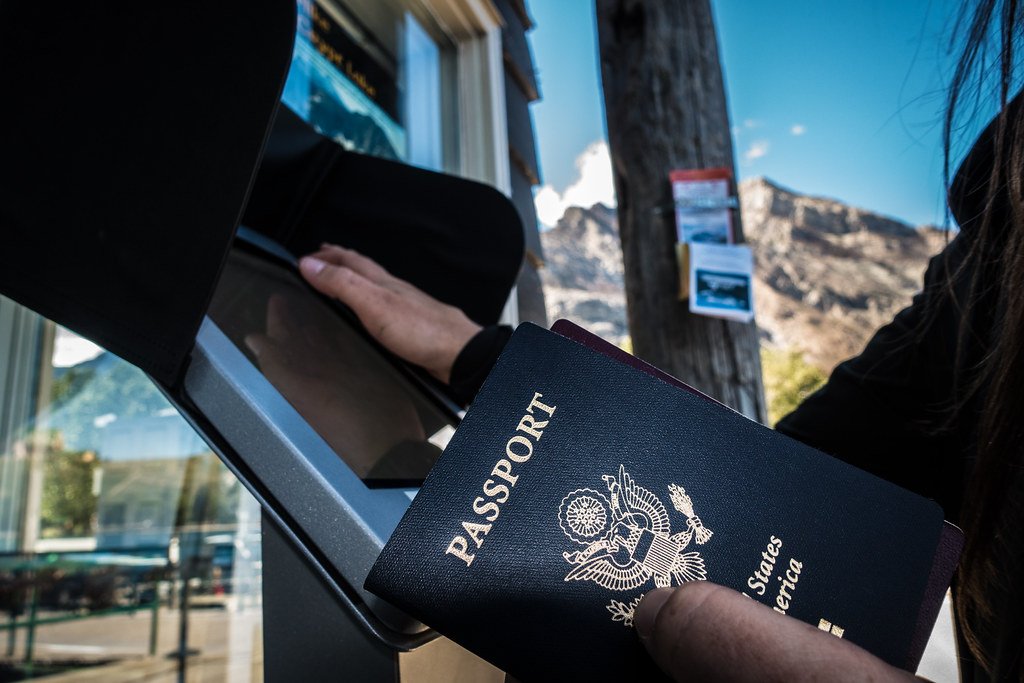
There is a version of this story where I’m the wronged Englishman and Malaysian bureaucracy is the villain. That version would get more clicks. It also isn’t true.
Here’s what actually happened. I left it too late, I got caught, and every official I dealt with afterwards was more patient with me than I deserved.
The situation
My wife had the job. The school applied for her visa before we left England, so she landed with it already sorted. Her visa is tied to her contract — when the contract ends, so does the visa.
I arrived on the standard visitor stamp. Ninety days. And we weren’t married yet.
That was the whole problem, and at the time it didn’t feel like one. We were going to get married in Malaysia. We had ninety days. Ninety days is ages.
Ninety days is not ages.
What I tried first
I looked for a job. Specifically a sales job, because that’s what I’ve done since I was eleven years old.
Here’s what I learned, and it applies to anybody thinking of doing the same. In Malaysia, the employer applies for your work visa, not you. So you’re not just asking a company to hire you. You’re asking them to take on paperwork, cost and responsibility for a foreigner they’ve just met, for a role they could fill locally tomorrow morning.
Nobody was going to do that for a salesman. I don’t blame them.
So the clock kept running.
The two o’clock in the morning
The standard fix is to leave the country and come back, which resets your ninety days. Singapore is about five hours away by coach. People do it all the time.
I left it to the last day.
Not “with a few days spare.” The last day. And then the bus was late, and I crossed the border at about two o’clock in the morning — which, according to the stamp in my passport, was two hours after I’d stopped being legal in Malaysia.
Singapore wouldn’t let me in.
I remember thinking it was harsh, and then thinking about it properly on the way back, and realising it wasn’t harsh at all. They can’t let you into another country and hand them the problem. The moment you’re out of status in Malaysia, you’re Malaysia’s business, and no border guard in the world is going to take you off their hands.
So I got back on a coach and did another five hours, in the middle of the night, having achieved absolutely nothing except proving I couldn’t read a calendar.
The bit where they were kinder than I’d have been
Next morning I went to the immigration office and told them the truth. All of it.
They asked me what my situation was. I said: if I were married, I could go on my wife’s visa as a dependent, but we’re not married yet and that takes time.
They gave me another month to go and get married.
I want that sentence to sit there on its own, because it’s the opposite of every story you’ll read about immigration anywhere. I had overstayed. I had turned up at a border out of status. And a man behind a desk looked at the situation, worked out that I wasn’t trying it on, and gave me a month.
Then I had a clever idea, which was not clever
We got the wedding booked. Certificates, paperwork, a date.
And I thought: right, I’ve got documents proving I’m getting married. That’s basically the same as being married. I’ll go to the border again and show them.
It is not basically the same as being married.
They were polite about it and completely immovable. Paperwork saying you’re going to be married is not a marital status. Until the wedding has happened and the dependent pass is actually in motion, you’re just a bloke with a folder.
Second five-hour round trip. Second nothing.
Third time
We got married — registry office, leather shoes, borrowed witnesses and all — certificate in hand, and then the school started the process to put me on her visa as a dependent.
With that paperwork, the border worked. One night in a hotel in Singapore, back the next day, ninety days reset.
The thing nobody tells you about the sixty days
Everyone talks about the dependent pass taking about two months, and mine did — a bit over thirty days, just under sixty.
But here’s what I worked out afterwards, and I think it matters.
That’s not the government being slow. Immigration’s own published turnaround for a complete application is a handful of working days. The long part is everything that happens before it reaches them — your spouse’s employer gathering documents, checking them, and submitting them, in among everything else they’ve got on.
So if somebody tells you “the visa takes two months,” what they usually mean is “the whole process takes two months, most of which is my HR department.” Worth knowing, because it changes who you need to be chasing.
What I should have done
This is the only useful part of the whole story, so here it is on its own.
We should have got married in the first thirty days.
That’s it. Land, marry, start the dependent pass immediately. Even at the slow end, the paperwork would have come back with time to spare on the original ninety days, and I would never have seen a border at two in the morning.
Instead I lost two round trips to Singapore, a month of grace I had to ask a stranger for, and more sleep than I’d like to admit. All of it self-inflicted, all of it avoidable, none of it anybody’s fault but mine.
Three things worth knowing before you come
The ninety days is “up to” ninety days. It’s at the officer’s discretion on arrival, not a guarantee written on your ticket. Don’t build a plan that only works if you get the maximum.
The digital arrival card is compulsory and has to go in within three days of arriving. I have written elsewhere about how I managed to pay for something that’s free, so I’ll spare you the repeat.
Don’t treat the border run as a system. I got away with it once and I was refused twice. The people on those desks see this every single day and they are not slow. If you find yourself planning your third one, the problem isn’t the border. It’s the plan.
And the honest ending
I’d love to tell you I handled all this with the calm of a seasoned expat. I’d been out of the UK about twice in twenty-two years and I was making it up as I went.
What I’d say to anybody in the same position is this. Go and do the boring paperwork on the first Monday. Not the second week, not once you’ve found a flat, not after you’ve had a look round. The first Monday.
The paperwork isn’t the price of admission. It’s the thing that decides whether you get to stay long enough for any of the rest of it to matter.
If you want to know what everything else costs out here, off my own bills rather than guesswork, that’s all on the price page.