Kuala Lumpur is a genuinely photogenic city — the collision of modern skyscrapers, colonial heritage, Chinese shophouses, Hindu temples, and tropical vegetation creates visual contrasts that reward anyone with a camera. Whether you’re shooting on a DSLR, mirrorless, or a phone, KL will keep you busy.
I’ve spent considerable time photographing this city and learning which spots deliver and which are tourist traps with mediocre actual results. This guide covers the best photography locations in KL, the best times to shoot them, and practical tips for getting good results in tropical conditions.
Iconic Architecture: The Petronas Towers
KLCC Park (Ground Level)
The classic shot: the Petronas Twin Towers reflected in the lake at KLCC Park. This works best from the western end of the lake (toward Suria KLCC) where both towers are framed symmetrically. Blue hour (20–40 minutes after sunset) gives you a deep blue sky with the towers illuminated — this is when the iconic night shots are taken.
For long exposure water reflections, bring a compact tripod. The park has no restriction on photography, but tripods should be used discreetly and not block pathways. Expect other photographers at the same spot, particularly on weekends.
Titiwangsa Lake
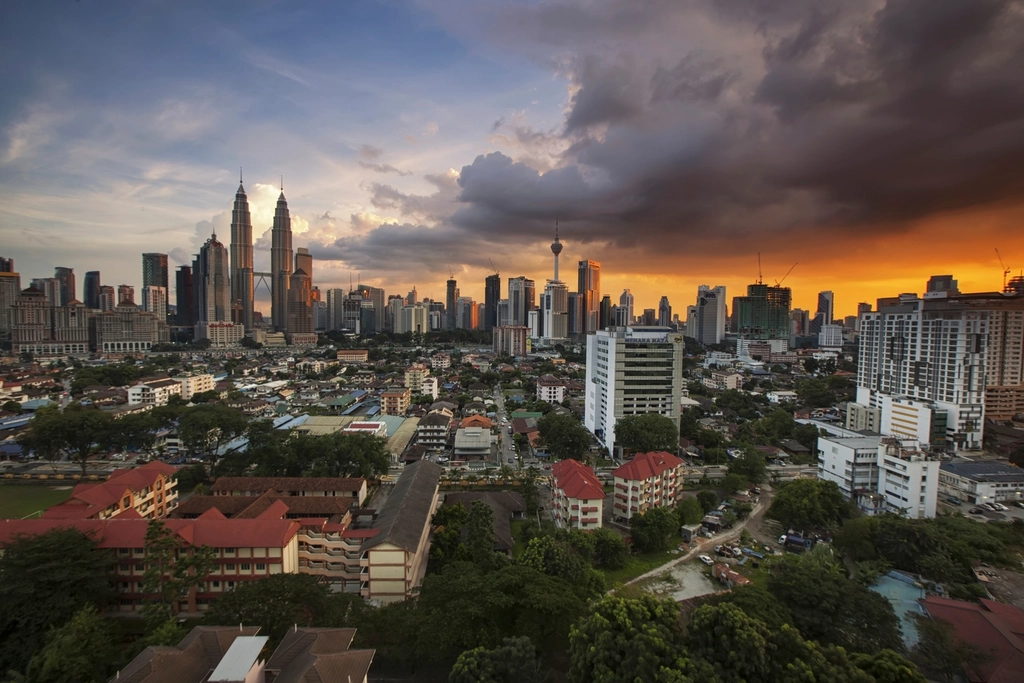
For a wider skyline view including the towers and KL Tower, Titiwangsa Lake in the north of the city gives you a lake foreground with the KL skyline reflected. Less visited by tourists, better for creative compositions with more sky.
Heli Lounge Bar (Rooftop View)
The helipad rooftop bar offers a 360-degree elevated view including looking down toward the Twin Towers. Photographically useful for compression shots and the wider context of KL’s urban sprawl. Minimum spend applies — think of it as paying for a composition you can’t get elsewhere.
Georgetown-Style Colour: KL’s Shophouse Streets
Jalan Doraisamy / Chow Kit
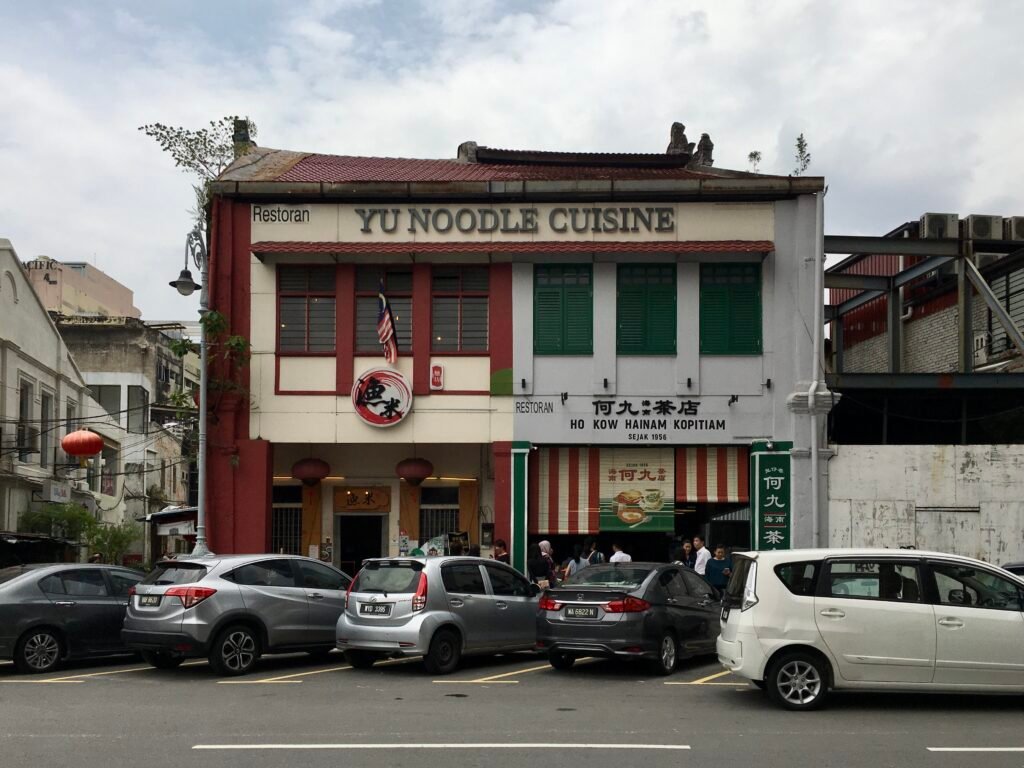
KL’s colourful heritage shophouse streets don’t get the attention that Penang’s Georgetown does, but there’s good material here. Jalan Doraisamy near Chow Kit has restored and painted heritage buildings with good morning light (east-facing). The contrast of colonial shophouses against KL’s modern skyline glimpsed beyond is a specifically KL composition you can’t find elsewhere.
Brickfields (Little India)
Colour, texture, and people. Brickfields during active hours (morning market time, pre-festival periods) is rich with street photography material: temple decorations, flower garlands, sari shops with their fabrics displayed outside, the visual density of a functioning Indian commercial district.
Deepavali preparation (October–November) transforms Brickfields into one of the most visually extraordinary spaces in KL — oil lamps, kolam floor patterns, decorative lights everywhere. Plan a visit in the weeks before Deepavali if your schedule allows.
Petaling Street / Chinatown
The street market and heritage shophouses of Petaling Street offer classic Southeast Asian street market photography: colour, compression, vendors, hanging goods, signs in multiple languages. Best photographed in morning before the crowds get too thick, or late afternoon when the golden light hits the shophouse facades from the west.
Mosque and Religious Architecture
Masjid Jamek
KL’s oldest mosque (1909), built in Moorish style at the confluence of the Klang and Gombak rivers. Beautiful architecture — domed, pink and white, surrounded by royal palm trees. The exterior is freely photographable from the public areas. Non-Muslims may enter outside prayer times with appropriate dress (sarongs/headscarves available at entrance).
Photographically: the mosque reflected in the river at blue hour gives a classic KL image. The surrounding LRT infrastructure provides interesting modern/heritage contrast for architecture photographers.
Masjid Putra, Putrajaya
Malaysia’s federal administrative capital, 30km south of KL, contains some extraordinary architecture. Masjid Putra (the pink mosque) on the shores of Putrajaya Lake is among the most photographed buildings in Malaysia. At sunrise, the pink dome reflects in the still lake — an extraordinary image. Putrajaya is accessible by ERL from KL Sentral (Putrajaya & Cyberjaya station).
Batu Caves Temple
The Hindu temple complex at the limestone outcrop of Batu Caves — approached by 272 steps guarded by a 43-metre gold statue of Lord Murugan — is one of the most photographed sites in Malaysia. The cave interior with its natural cathedral ceiling and temple shrines lit by shafts of natural light is stunning. Best light conditions: midday when the sun comes through the cave roof openings. Arrive by 9am on weekends to beat the tour bus crowds.
Street Photography Opportunities
Chow Kit Market
KL’s most characterful wet market. The pre-dawn set-up (arrive at 5–6am) gives extraordinary low-light photography opportunities: vendors arranging produce by torch and phone light, the geometry of fish and vegetables laid out on tables, the concentrated activity of a market waking up. Later (7–9am) the market is fully active and the chaos is organised and photogenic.
Masjid India Area
The street market around Masjid India combines Indian and Malay street commerce in a visually dense area. Textile stalls, spice vendors, food carts, traditional clothing shops. During Ramadan this area hosts one of KL’s largest bazaars and becomes extraordinarily rich photographically.
Kampung Baru
KL’s last remaining Malay kampung (village) — a low-rise traditional neighbourhood that exists improbably surrounded by the KL city skyline. The contrast of wooden traditional houses, fruit trees, and roosters against the backdrop of KL’s skyscrapers is a genuinely unique photographic subject. Early morning, before the city drowns the atmosphere.
Practical Photography Tips for KL
Light and Timing
Golden hour is early (6:30–7:30am) and sets are long (the sun in the tropics rises and sets quickly — the golden hour window is genuinely only about 30–45 minutes). Plan for sunrise shoots if you want the best light on heritage buildings and street markets.
Blue hour after sunset (7:30–8pm) is prime time for city skyline shots with the artificial lights turning on against a still-blue sky. This is approximately when all KL’s best tower and skyline photos are taken.
Dealing with Haze
KL’s haze from Sumatran fires (mainly May–October) can dramatically reduce visibility and give photos a flat, washed-out quality. Check the Air Pollutant Index (API) before planning a skyline or architectural shoot. Below API 50 is ideal; API 100+ significantly degrades results for cityscape photography.
Haze can actually work in your favour for atmospheric street photography — it softens backgrounds and can give a moody quality to temple and market shots. It’s only a problem for the crisp long-distance skyline images.
Heat and Humidity
Humidity affects lenses when moving from air-conditioned interiors to the outdoor heat — condensation on the front element is common. Allow 10–15 minutes for your lens to acclimatise before shooting. Keep a lens cloth accessible.
Batteries drain faster in heat. Carry at least one spare.
Permission and People
Photographing in mosques requires appropriate dress and the mosque’s permission (usually available outside prayer times). Photographing Malay women generally requires asking — many observe hijab and may prefer not to be photographed. Chinese and Indian subjects are generally more relaxed about street photography.
The Malaysian general population is photogenic and relatively tolerant of street photography, but the courtesy of asking (“Boleh ambil gambar?” — can I take a photo?) is always appreciated and often results in a better, more relaxed subject.
Gear Recommendations for KL
You don’t need specialist equipment — KL is a city environment with good facilities. However:
- A wide-angle lens (24mm or wider) for interior shots of mosques and temples where space is limited
- A versatile zoom (24–70mm or 18–135mm) for street and architecture work
- A tripod (compact travel model sufficient) for blue-hour cityscape and long-exposure reflection shots
- A rain cover for your bag — KL’s afternoon thunderstorms arrive suddenly and intensely
Plan Your KL Photography Trip
Stay near KLCC, Bukit Bintang, or Chinatown to walk to KL’s best photography locations. Booking.com has good deals on central KL hotels at all price points.
Find Hotels →Agoda often has better prices than Booking.com for KL hotels — especially for longer stays. Compare both before booking.
Search Agoda →Travel insurance that covers your camera gear and personal health during your KL photography trip. Monthly subscription, cancel any time.
Get SafetyWing →Some links are affiliate links. I earn a small commission if you sign up at no extra cost to you. I only recommend things I actually use.