KL’s night markets are some of the most enjoyable and affordable experiences the city has to offer. Every neighbourhood has one — a weekly pasar malam (night market) that takes over a street from around 5pm, selling food, clothes, household goods, toys, phone accessories, and more.
Prices checked August 2026. Everything here is what I actually paid or was actually quoted, in ringgit, in Kuala Lumpur. Malaysia moves fast — check before you commit to anything.
For expats, night markets are where you eat cheaply and well, buy the kind of things you’d pay triple for in a mall, and get a proper feel for the rhythms of local Malaysian life. This guide covers the best night markets in KL, what to eat, what to buy, and the practical things you need to know.
What Is a Pasar Malam?
Pasar malam means “night market” in Malay. Every neighbourhood in KL has a designated pasar malam night — the market sets up from late afternoon (usually around 4–5pm), peaks from 6–8pm, and winds down by 9–10pm. Vendors set up folding tables and simple stalls along a street or in a carpark, sell for a few hours, pack up, and move to the next location the following evening.
Each market has a mix of:
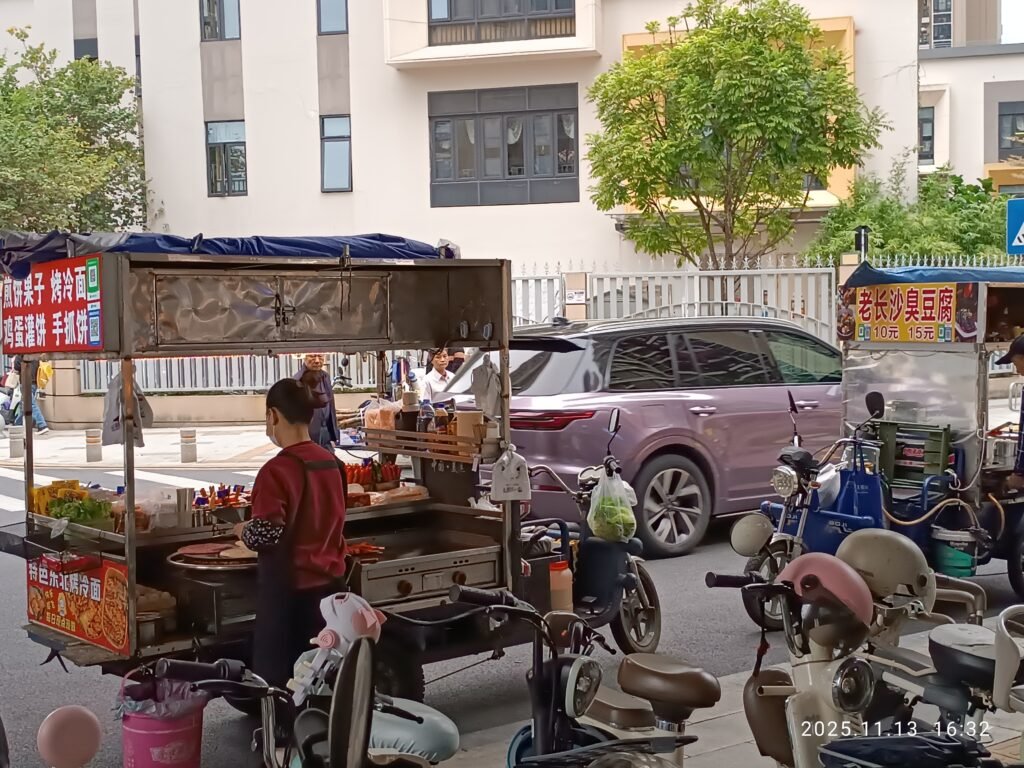
- Cooked food stalls — the main draw. Grilled meats (satay, ayam percik, lamb chops), nasi lemak, fried noodles, roti john, popiah, desserts
- Fresh produce — cheaper than supermarkets, good quality
- Packaged goods — kuih (Malay sweets/cakes), keropok (crackers), snacks
- Clothes and fashion — budget clothing, particularly popular items at very low prices
- Household goods — cleaning supplies, kitchen tools, toys
- Electronics accessories — phone cases, cables, chargers
Best Night Markets in KL by Area
TTDI Night Market (Taman Tun Dr Ismail) — Monday
One of the most popular night markets with KL expats. Large, well-organised, and the food is excellent. Strong local community feel — you’ll see families from the surrounding neighbourhood doing their weekly shop. Great variety of cooked food: grilled stingray, lok lok (skewers dipped in broth), ABC shaved ice, fruit.
Location: Jalan Tun Mohd Fuad 1–3, TTDI
Day: Monday evening
Best for: Food, fresh produce, relaxed atmosphere
Taman Connaught Night Market — Wednesday
One of the longest running and largest night markets in Malaysia — it stretches for nearly 2km along the main road in Taman Connaught (Cheras). Hundreds of stalls, enormous variety, strong Chinese Malaysian food culture. Famous for its Hokkien mee, char siu (BBQ pork), and the sheer scale of the operation. Takes at least an hour to walk the whole market.
Location: Jalan Cerdas, Taman Connaught, Cheras
Day: Wednesday evening
Best for: Sheer scale, Chinese Malaysian food, value
Wangsa Maju Night Market — Thursday
Popular residential area market serving the large Wangsa Maju housing estates. Good variety of Malay food, affordable prices, busy atmosphere.
Location: Wangsa Maju, near LRT Wangsa Maju
Day: Thursday evening
PJ Section 17 Night Market — Thursday (PJ)
In Petaling Jaya rather than KL proper, but worth including. One of PJ’s best-known night markets with an excellent selection of food and regular crowds from the surrounding well-heeled suburbs.
Location: Jalan 17/45, Petaling Jaya
Day: Thursday evening
Sri Petaling Night Market — Saturday
A large and well-regarded Saturday market in Sri Petaling. Good mix of stalls. Accessible by MRT (Sri Petaling station). Popular with a local Tamil and Chinese community giving it good food diversity.
Location: Around Sri Petaling, near MRT Sri Petaling
Day: Saturday
Taman Mega Mendung (Bangsar/Kerinchi area) — Sunday
Useful if you’re living in the Bangsar or KL Sentral area. Smaller than some of the above but convenient and good for a Sunday evening wander and cheap dinner.
Specialist Markets Worth Knowing
Ramadan Bazaars (Seasonal — Ramadan Month)
During Ramadan (the Muslim fasting month — date changes annually based on the Islamic calendar), temporary bazaars spring up across KL every afternoon from about 3pm until buka puasa (breaking fast) time at around 7:30pm. These are some of the best food markets of the year — enormous variety of traditional Malay dishes that aren’t commonly available outside Ramadan. The bazaar at Jalan Masjid India in KL is one of the most famous.
Pasar Chow Kit (Wet Market, Daily)
Not technically a night market, but one of KL’s most authentic and largest traditional markets. Open daily from early morning, it’s a wet market (fresh produce, meat, seafood) surrounded by hawker stalls and small shops. A real contrast to mall-based shopping — vivid, busy, authentic. The fresh produce is excellent and the prices are the lowest in KL.
Pasar Seni / Central Market
A more tourist-oriented art and craft market in an art deco building near Masjid India. Batik, handicrafts, Malaysian art, souvenirs. Good for gifts; prices are negotiable.
Jalan Masjid India Night Market Area
The streets around Masjid India mosque have a permanent market culture — textile shops, Indian snack stalls, and a lively street atmosphere. Evenings are particularly atmospheric. Good for textiles, saris, and Indian street food.
What to Eat at a Night Market
Night markets are where you try things you wouldn’t order in a restaurant because you can see them being made in front of you. Recommended:
- Satay — skewers of chicken or beef, grilled over charcoal, served with peanut sauce, cucumber, and ketupat (compressed rice). RM 1–2 per skewer
- Roti John — a baguette-style roll stuffed with egg, minced beef or chicken, and sauce. RM 5–8
- Lok lok — various ingredients (fish cakes, tofu, meatballs, vegetables) on skewers, dipped in boiling broth, served with peanut sauce or sambal. RM 1–3 per skewer
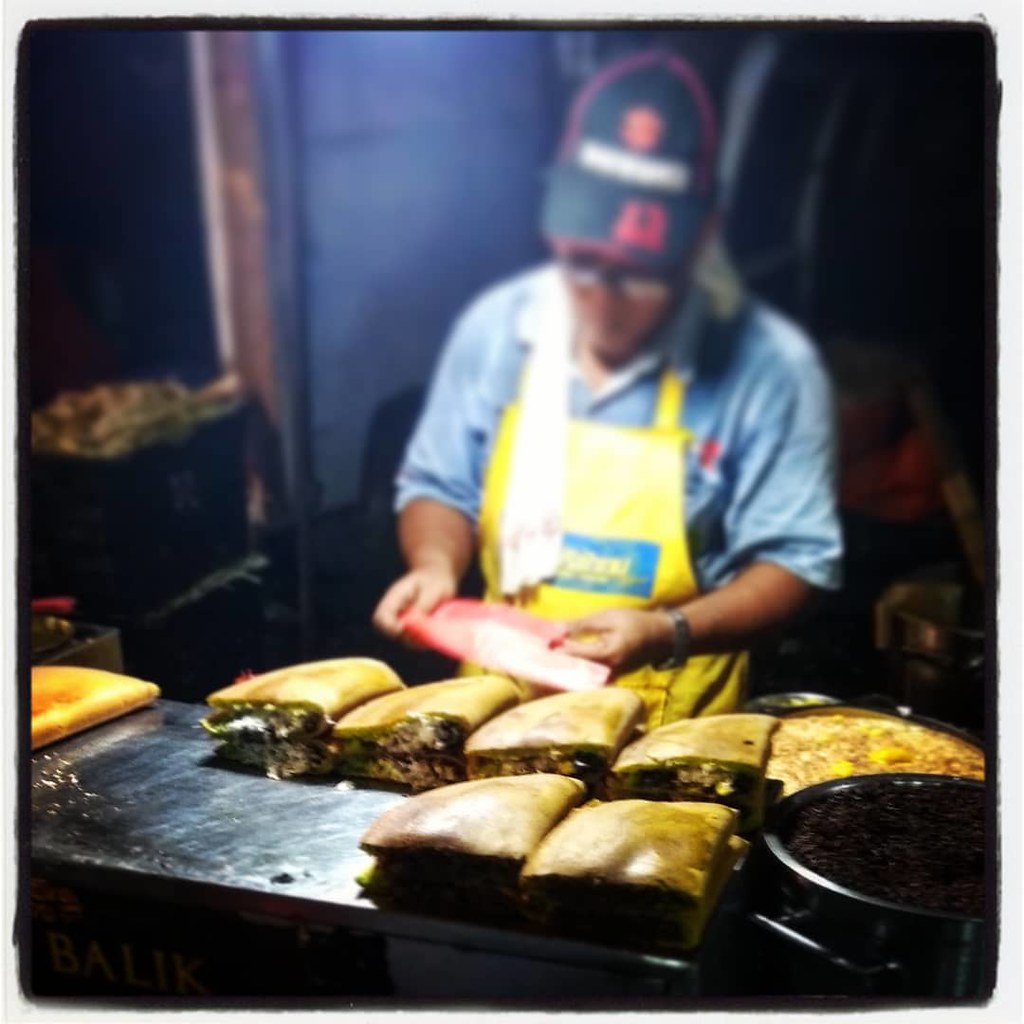
- Murtabak — a stuffed flatbread (chicken, beef, or mutton with egg) fried on a griddle. RM 8–15
- Ais kacang / ABC — shaved ice dessert with red beans, corn, jelly, and condensed milk. RM 4–7
- Cendol — shaved ice with green rice flour jelly, red beans, and palm sugar syrup. RM 4–7
- Pisang goreng — fried banana fritters, eaten fresh and hot. RM 1–2 each
- Popiah basah — fresh spring rolls with turnip, egg, and bean sprouts. RM 2–4
What to Buy at a Night Market
Night markets are excellent value for certain categories:
- Budget clothing — T-shirts, casual wear, basic fashion pieces at 30–50% of mall prices
- Undergarments and socks — genuinely cheap, practical purchases
- Fresh produce — mangoes, rambutans, durians (seasonal), papayas, and more
- Kuih and traditional sweets — great to buy for your colleagues or try new things
- Cheap phone accessories — cables, cases, chargers at a fraction of retail
Night Market Tips
- Cash only at most stalls. TnG (Touch ‘n Go) QR codes are increasingly common but not universal. Bring RM 50–100 in small notes.
- Go with an appetite. The best approach is to walk the whole market first, identify what you want, then circle back to eat. Buying from the first stall you see means you miss what’s at the other end.
- Don’t fear the simple stalls. The busiest stall with the longest local queue almost always has the best food. Locals queue for a reason.
- Arrive by 7pm for the best variety — popular food stalls sell out early.
- Wear comfortable footwear you don’t mind getting slightly wet or dirty — market floors can be damp from condensation, ice melt, and spills.
- Bring a bag for produce and packaged goods — most food is wrapped in paper or plastic bags anyway, but having a tote is useful.
Related Reading
💳 Spending Smartly in KL
Wise
Use Wise to withdraw ringgit from ATMs before heading to the market. Real exchange rate, low withdrawal fees.
Open WiseAgoda
Book a hotel close to the TTDI or Bangsar area to make the most of KL’s night market scene.
Find HotelsSome links are affiliate links. I earn a small commission if you sign up at no extra cost to you. I only recommend things I actually use.
The Best Pasar Malam in KL
TTDI (Taman Tun Dr Ismail) — Tuesday evenings
My personal favourite and, I’d argue, one of the best Pasar Malam in KL. TTDI is an affluent, multicultural residential neighbourhood about 20 minutes west of the city centre, and the Tuesday market here is large, well-organised, and has exceptional food variety. The satay here is some of the best I’ve found at any market — properly charcoal-grilled, served with peanut sauce and cucumber. The fruit section is also outstanding.
Location: Along Jalan Tun Mohd Fuad 1, TTDI. Takes about 15 minutes on a Grab from Bangsar or Mont Kiara.
SS2 Petaling Jaya — Monday evenings
Technically in PJ rather than KL proper, but well worth the Grab ride. The SS2 Pasar Malam is massive — one of the largest in the Klang Valley — and runs along multiple streets. It’s been operating for decades and has a devoted local following. Expect everything from freshly made apam balik (crispy pancake filled with peanuts and corn) to roast duck, durian, and excellent grilled seafood. This is the one to go to if you want the full Pasar Malam experience on a grand scale.
Location: Along Jalan SS2/75, Petaling Jaya. About 20–25 minutes from central KL.
Taman Connaught — Wednesday evenings
Possibly the most famous Pasar Malam in all of KL. Taman Connaught’s Wednesday market stretches for nearly a kilometre and draws crowds from across the city. It’s been running since the early 2000s and has grown into something genuinely spectacular. The food is excellent — there are stalls here that have been at the same spot for fifteen years and have perfected their one or two dishes.
If I’m introducing someone to Pasar Malam for the first time, Connaught is where I take them. It’s enormous enough that there’s always something new to find. The downside is that it gets crowded and parking is a nightmare — go by Grab, get there by 6pm to beat the worst of the crowd.
Location: Along Jalan Cerdas, Taman Connaught, Cheras. About 25–30 minutes from central KL.
Sri Petaling — Thursday evenings
A large market in a predominantly Chinese neighbourhood south of the city. Great for Chinese-influenced food — char kway teow, roast meats, wonton noodles alongside the usual Malay night market staples. A slightly more balanced mix than some of the more Malay-focused markets, reflecting the neighbourhood’s demographics.
Location: Along Jalan Radin Tengah, Sri Petaling.
Taman Mega Mendung (Kepong) — Saturday evenings
A newer but popular market in Kepong, north of the city. Heavy on Malay food, good variety of kuih (traditional cakes and sweets), and notably less crowded than Connaught. A good option if you’re staying in the Mont Kiara or Kepong area.
What to Eat: A Pasar Malam Food Guide
The food at Pasar Malam varies by location and vendor, but certain dishes appear at almost every market:
Satay
Skewers of marinated chicken or beef, grilled over charcoal and served with peanut sauce, compressed rice (ketupat), cucumber, and onion. Buy by the stick — MYR 0.60–1.00 each. Order 10 minimum. Eat standing next to the stall. One of the finest snacks on earth.
Apam Balik
A thin, crispy pancake made in a round mould, filled with creamed corn, crushed peanuts, and sugar, then folded in half. The “crispy” version (thin batter) is better than the “fluffy” version in my opinion, though you’ll find both. MYR 2–4 each. Enormous and incredibly satisfying.
Popiah
Fresh spring rolls filled with turnip, carrots, tofu, egg, and various sauces, wrapped in a soft flour skin. Not fried — a cold roll that’s assembled to order. Light, refreshing, and different from what you might think of as a spring roll. MYR 3–5 each.
Grilled Corn
Sweet corn grilled over charcoal and rolled in a mixture of butter, mayonnaise, cheese powder, and sometimes chilli. It’s messy, delicious, and feels indulgent for MYR 4–6.
Kuih
Traditional Malaysian cakes and desserts, usually colourful and intricately made. Kuih lapis (layered jelly cake), kuih talam (pandan and coconut), onde onde (glutinous rice balls filled with palm sugar), and countless others. Usually sold in small portions for MYR 0.50–1.50 each. Buy a mixed selection — a good kuih stall will have 15–20 varieties.
Fried Stuff
Cucur udang (prawn fritters), goreng pisang (banana fritters), fried sweet potato — all the fried snacks you could want, freshly made and served in paper bags. MYR 1–3 per serving. Extremely dangerous in combination.
Durian
During durian season (roughly June–August), Pasar Malam stalls sell durian by the seed or by the whole fruit. This is one of the best places to try durian if you haven’t yet — the vendor will open one for you, and you can smell and taste before buying. Prices range from MYR 5 per seed for ordinary varieties to MYR 20–30+ per seed for premium Musang King.
Fresh Fruit
Rambutan, langsat, mangosteen, papaya, watermelon — usually sold by weight or in pre-packed bags. Quality is generally excellent and prices are much cheaper than supermarkets. A bag of rambutans for MYR 5, mangosteen for MYR 8–12 per kilo. Stock up for breakfast the next morning.
Non-Food Stalls
About a third of Pasar Malam stalls sell non-food items: clothes (often cheap copies of branded activewear), household items, toys, accessories, phone cases, and bargain bins of everything imaginable. The quality is variable and the prices are often negotiable. I usually focus on the food section but the non-food stalls are part of the atmosphere.
One exception: cleaning products, fruits, and vegetables at Pasar Malam are often genuinely better value than supermarkets. I regularly buy mangoes, papayas, and leafy greens from market vegetable vendors at half the Cold Storage price.
Practical Tips for Pasar Malam
Bring cash: Almost all stalls are cash only. MYR 40–50 is plenty for a comfortable eat through a market, unless you’re buying large amounts of fruit or non-food items.
Go hungry: This sounds obvious but the temptation to graze through ten stalls is real. Don’t eat dinner first. Markets are best experienced on an empty stomach.
Get there by 6:30pm: The best stalls sell out. Satay spots, popular kuih stalls, and durian vendors often run out by 8–9pm. Arrive early.
Go by Grab: Parking at markets is a nightmare. Grab is cheap and eliminates the stress. Drop off and pick up nearby — the driver will usually understand “Pasar Malam TTDI Tuesday” or similar.
Point and smile: If your Malay is minimal, pointing works perfectly well. Vendors are patient and used to it. “Berapa?” means “how much?” — a useful phrase to have.
Eat at the market: Most markets have a small seating area — fold-out chairs and tables near the food stalls. Use them. Eating satay while standing and watching the market bustle around you is the right way to do it.
Beyond Pasar Malam: Other KL Markets Worth Knowing
Pasar Pagi (Morning Markets): The daytime equivalent — fresh produce, meat, fish, and breakfast food, usually running from 6am to noon. The one in Chow Kit is legendary and worth getting up early for.
Jalan Masjid India: Not a Pasar Malam but a permanent stretch of market stalls in Little India, great for fabrics, spices, Indian sweets, and street food during the day and evenings.
Central Market (Pasar Seni): More tourist-facing, but a good place to find handicrafts, batik, and Malaysian art. In the Pasar Seni area of central KL.
Markets are in the blood of KL. The city was literally founded on the back of a tin market at the confluence of two rivers — “Kuala Lumpur” means “muddy estuary” in Malay, a reference to where traders gathered. The Pasar Malam tradition is newer but it carries the same spirit: a community gathering around food and trade, loud and colourful and entirely worth your Tuesday evening.
Booking.com — find hotels near KL’s best neighbourhoods
Agoda — great rates, especially in Asia
Wise — real exchange rates for spending in Malaysia