Putrajaya is the answer to the question “what would happen if Malaysia built an entirely new capital city from scratch?” They did, starting in the late 1990s, and the result is one of the most architecturally dramatic government cities in Asia — vast Islamic-influenced administrative buildings, a man-made lake, bridges that look like something from a concept artist’s portfolio, and an almost uncanny quietness for a city that’s nominally the seat of the Malaysian government.
It’s also 25km from KL and about 40 minutes by train, which makes it a very easy half-day trip. Most visitors either don’t know it exists or assume it’s just office buildings. It’s more than that.
What Is Putrajaya?
Putrajaya is Malaysia’s federal administrative capital — built from scratch in the 1990s to relieve pressure on KL and serve as the seat of the executive and judicial branches of the Malaysian government. The Prime Minister’s office is here. Parliament is still in KL, but nearly everything else of federal government weight is in Putrajaya.
The city was designed with an Islamic garden city concept — green spaces, water features, and architecture that draws on Moorish and Islamic design traditions. The result is unlike any other government district I’ve seen: monumental in scale, surprisingly beautiful in places, and almost photographic at golden hour.
The population is relatively small (around 100,000) because it’s genuinely a purpose-built government town. It’s not a living city in the way KL is — there’s no hawker culture to speak of, no busy night market, no organic street life. What it has is architecture, water, and space.
Getting There from KL
By train
The KLIA Ekspres and KLIA Transit trains stop at Putrajaya & Cyberjaya station (also sometimes labelled “Salak Tinggi” on older signage). From KL Sentral, the journey takes about 30 minutes and costs around RM14. Trains run frequently.
From the station, you’ll need to Grab or take a feeder bus into the main administrative core — it’s about 10–15 minutes. The station isn’t centrally located.
By Grab
Direct from KL, Grab to central Putrajaya takes 35–45 minutes depending on traffic and costs roughly RM30–45. More convenient than the train if you’re going with a group, as the train station isn’t walking distance to most attractions.
By car
If you’re driving, Putrajaya is straightforward — take the ELITE Highway south from KL. Parking in Putrajaya is generally available and cheap, which is refreshing.
What to See in Putrajaya
Putra Mosque (Masjid Putra)
The centrepiece of Putrajaya’s waterfront. A rose-pink mosque on the banks of the man-made lake, with a massive dome and a design that blends Moroccan and traditional Malay influences. It’s genuinely beautiful — one of the more photogenic buildings in Malaysia. Open to non-Muslim visitors outside prayer times (bring a robe to cover yourself; they provide them at the entrance). The reflection in the lake on a calm morning is particularly good.
Putrajaya Lake and Botanical Garden
The man-made lake is the centrepiece of the whole city plan. Boat cruises run across the lake and give a good view of the surrounding architecture. The Botanical Garden (Taman Botani Putrajaya) covers 93 hectares of lakeside green space — good for walking, cycling (rental bikes available), and birdwatching. Less manicured than some botanical gardens but pleasantly large and peaceful.
Perdana Putra (Prime Minister’s Office)
The PM’s complex dominates the skyline — a huge building that looks like a cross between a Moorish palace and a parliament. You can’t go inside, but the exterior and surrounding gardens are accessible and impressive from close range.
The Bridges
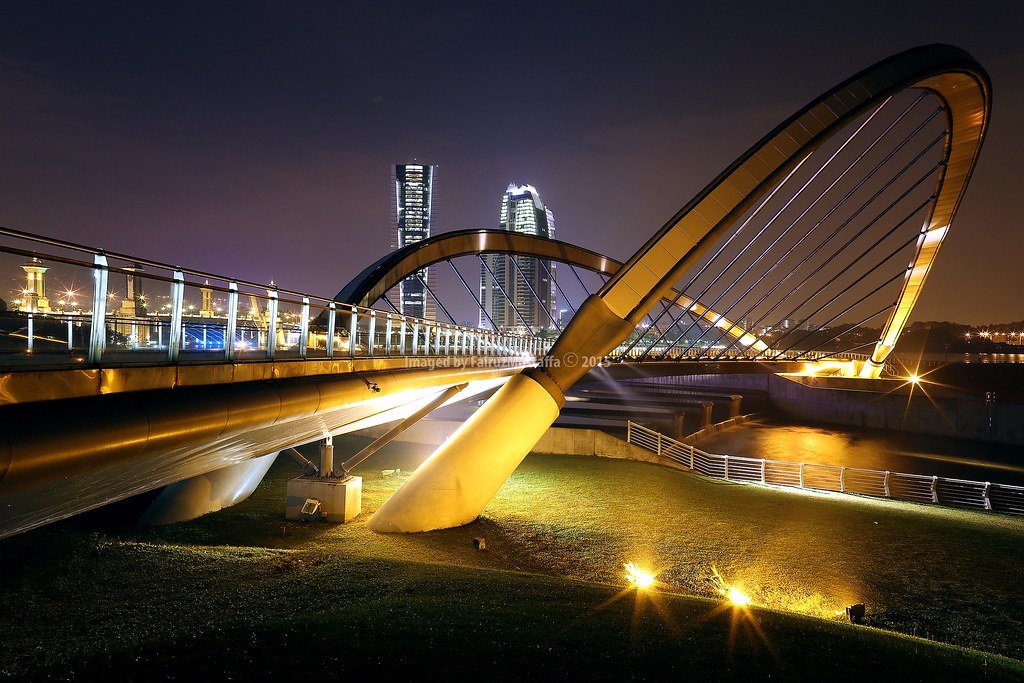
Putrajaya has nine bridges, each designed in a different style. The most photographed is the Putra Bridge (Jambatan Putra) — a 435-metre cable-stayed bridge designed with Moroccan-influenced towers. Worth walking across for the views of the mosque and lake.
Iron Mosque (Masjid Besi)
A smaller mosque on a hilltop with views over the whole lake and administrative core. The exterior looks almost industrial — steel and glass rather than traditional stonework. An unusual contrast to the Putra Mosque and worth visiting if you’re spending a full day.
Palace of Justice (Istana Kehakiman)
The federal courts complex — a dramatic pink building with flying buttresses and dome towers. It looks more like a cathedral or palace than a courthouse, which is either deeply impressive or deeply on the nose, depending on your feelings about architecture as political statement.
Putrajaya Hot Air Balloon Fiesta
Every year (usually March), Putrajaya hosts the Malaysia International Hot Air Balloon Fiesta — one of the largest balloon events in Asia, and one of the most spectacular things you can witness at close range in Malaysia. Dozens of balloons rise over the lake in the early morning. Tethered balloon rides are available and the photography is exceptional. Check current dates in advance and book accommodation early if you want to stay overnight.
When to Visit
Putrajaya is best in the late afternoon and at golden hour, when the light turns the rose-pink buildings warm and the lake reflections are at their best. Sunrise visits are also good — you’ll have the mosque and waterfront largely to yourself before the heat arrives.
Midday in Putrajaya’s open spaces during summer is brutal — exposed, shadeless, genuinely hot. Plan your visit to peak either early morning or from 4pm onwards.
Weekdays are quieter than weekends. Government workers are there weekdays but they’re in the offices, not wandering around the lake. Weekends bring more KL visitors and families.
Where to Eat
This is Putrajaya’s weakness. There are restaurants in the Alamanda shopping mall (the main commercial centre near the lake) and a handful of cafes in the government areas, but nothing approaching the hawker diversity of KL. Eat before you come or have lunch at Alamanda, and don’t expect to find a great meal at a random corner.
The best food option near Putrajaya is actually in Cyberjaya (the adjacent tech hub), where there are more dining options and the area has more commercial development.
Combining Putrajaya with Other Destinations
Putrajaya works well as part of a larger day trip:
Putrajaya + Cyberjaya: The adjacent tech city has coworking spaces and cafes — useful if you want to spend some of the day working before exploring Putrajaya.
Putrajaya + Nilai: The town of Nilai is nearby and has excellent furniture shopping (large warehouse stores) if that’s relevant to your expat life.
Putrajaya + KLIA terminal visit: If you have a late departure or early arrival, stopping in Putrajaya on the way between KL and the airport is easy.
Photography Tips
Putrajaya is genuinely excellent for photography if you’re into architecture or landscapes:
- Putra Mosque from the south bank of the lake at golden hour
- The Putra Bridge from the lake level (hire a pedal boat)
- Perdana Putra at dusk when it’s illuminated
- The aerial view from the Iron Mosque hilltop at mid-morning
Is Putrajaya Worth Visiting?
If you have an extra half-day in KL and you’re curious about Malaysian architecture and scale, yes. It’s genuinely unlike anywhere else in Malaysia and the photographic opportunities are excellent. If you’re only in KL for 3 days and every hour counts, it’s lower priority than Batu Caves, the Petronas Towers, or Chinatown.
As a KL expat, it’s worth doing once — an interesting perspective on Malaysia’s ambitions as a nation, the kind of purposeful city-building that most countries either don’t attempt or don’t manage to execute at this scale.
🗓️ Planning Your KL Trips
Agoda
Best hotel prices in KL and Putrajaya. Good options near the lake if you want to stay overnight.
Find HotelsWise
Best exchange rate for Malaysian ringgit. The Wise card works everywhere in KL and Putrajaya.
Open WiseSafetyWing
Expat health cover for your whole Malaysia adventure — including day trips and weekends away.
Get CoveredSome links are affiliate links. I earn a small commission if you sign up at no extra cost to you. I only recommend things I actually use.