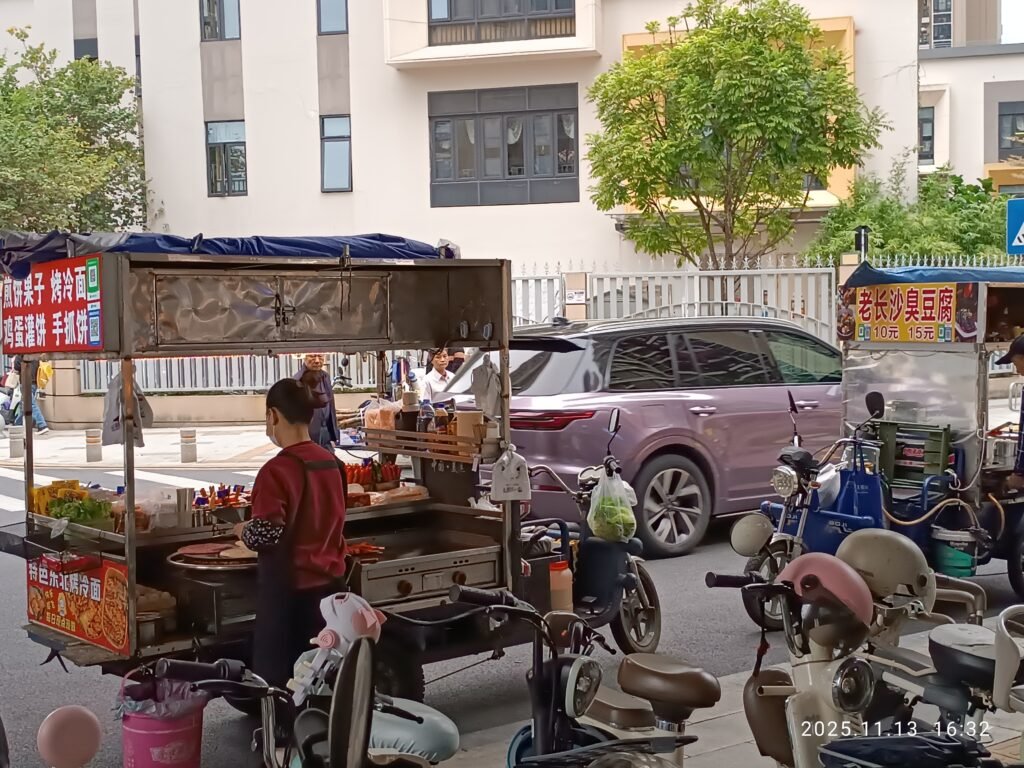
Penang’s food reputation is legitimate. It’s not marketing or boosterism — the island genuinely has one of the most distinctive and refined street food cultures in Southeast Asia, built over centuries of Hokkien Chinese, Malay, Indian, Peranakan, and colonial influence converging in a small, densely populated place. Penangites are famously opinionated about their food, famously proud of it, and completely right to be.
As a KL expat, Penang is a 3.5-hour drive or 1-hour flight up the coast. It’s a weekend trip destination with a strong food agenda — a place where you plan your days around meals and everything else fits around them. This guide covers what to eat, where to eat it, and how to navigate Penang’s food landscape as a first-time or returning visitor.
Why Penang Food Is Different
The short answer: Penang developed its own food culture in relative isolation on an island, drawing on the same Malay, Chinese, and Indian inputs as KL but fermenting them for longer and in a more concentrated community. The result is dishes that exist nowhere else — or that exist elsewhere in inferior versions.
The Chinese community in Penang is predominantly Hokkien, which means Hokkien noodle dishes (char kway teow, assam laksa, prawn mee) are done here the way they were historically done. The Peranakan (Nyonya) community — descendants of early Chinese settlers who married locally and developed a hybrid Malay-Chinese culture — is stronger in Penang than almost anywhere else, and the food reflects this. The mamak (Indian Muslim) food tradition is different from KL’s version, influenced by different regional Indian communities.
Eating in Penang well requires knowing what you’re looking for. This guide is that.
The Essential Penang Dishes
Char Kway Teow
Penang’s most famous dish — flat rice noodles stir-fried at high heat in a wok with prawns, cockles, lap cheong (Chinese sausage), bean sprouts, eggs, and dark soy sauce. The crucial element is wok hei — the breath of the wok, that slightly smoky, charred quality that comes from cooking at extreme heat in a seasoned wok that’s been used for years. This cannot be replicated in a commercial kitchen on a gas ring. It requires a street stall charcoal or gas wok setup and a cook who’s been doing it for decades.
The most celebrated version is at Siam Road Char Kway Teow — one of Penang’s most famous stalls, with 2–3 hour queues at peak times. Other excellent versions exist across Georgetown and across the island — part of the game is finding your own preference.
Penang Assam Laksa
One of the great bowls of Southeast Asia, and completely different from the coconut milk-based laksas of KL and Singapore. Assam laksa is sour — tamarind (assam) based broth, mackerel flaked through it, with thick rice noodles, pineapple, mint, cucumber, and a smear of prawn paste (hae ko) on top. Pungent, sour, intensely flavoured, and an acquired taste that rewards repeat visits.
The Air Itam hawker centre at the base of Penang Hill is one of the benchmark assam laksa spots. Try it alongside a bowl of something else to understand the contrast.
Prawn Mee (Hae Mee)
A prawn-based noodle soup with yellow noodles and bee hoon (rice vermicelli), the broth made from prawn heads and shells simmered for hours. Rich, sweet from the prawns, with a slight bitterness from the shell-cooking. One of the most deeply flavoured broths in Malaysian hawker cooking. Seek it in the morning when it’s freshest — most prawn mee stalls are breakfast affairs.
Hokkien Mee / Lor Mee
Not to be confused with KL’s version of Hokkien mee (which is quite different). Penang’s Hokkien mee is the prawn noodle soup above — they use the term interchangeably in Penang. Lor mee is a different dish: thick yellow noodles in a starchy gravy with braised pork, boiled eggs, and a dash of black vinegar. The texture is distinctive and it’s not for everyone at first encounter, but the flavour is compelling.
Cendol
A cold dessert of shaved ice with coconut milk, gula melaka (palm sugar), green jelly strands (pandan-flavoured), and red beans. Simple, ancient, and one of the most refreshing things you can eat in the Malaysian heat. Penang’s version is famous — the stalls in Lebuh Keng Kwee (near Kapitan Keling Mosque) are often cited as the benchmark.
Rojak
Penang rojak is completely different from the KL/Singapore version. It’s a fruit and vegetable salad (cucumber, pineapple, you tiao/fried dough fritters, turnip) dressed in a thick, pungent shrimp paste (hae ko) sauce and topped with crushed peanuts and sesame seeds. The combination sounds chaotic and tastes extraordinary. Best at the Penang Road Famous Teochew Cendol and Rojak stalls.
Nasi Kandar
Penang’s Indian Muslim rice dish — steamed rice served with a choice of curries, gravies, and meat/vegetable toppings, all poured (banjir — “flooded”) together over the rice. Different in character from the nasi kandar in KL — the curries tend to be richer and the combinations more layered. Line Clear on Jalan Penang is the most famous address; Hameediyah is the longest-established restaurant for Penang nasi kandar.
Nasi Lemak Penang
The national dish, done with a Penang accent — the sambal often richer, the accompaniments including slightly different preparations of ikan bilis (anchovies) and peanuts. Worth comparing directly with your favourite KL version.
Ikan Bakar (Grilled Fish)
Penang’s fishing heritage means excellent fresh seafood. Ikan bakar — fish grilled over charcoal, brushed with sambal — is at its best at the beachside stalls in Batu Ferringhi and the fishing village areas on the north coast. The setting (charcoal smoke, sea breeze, plastic table and chairs) is part of the experience.
Where to Eat in Georgetown
Gurney Drive Hawker Centre
The most famous hawker centre in Penang, on the seafront esplanade. Large, well-organised, open in the evenings, and covering a wide range of Penang classics. Touristy? Yes. Still very good? Also yes. For a first visit or when you want to try many things in one place, Gurney Drive is the right starting point.
New Lane (Lorong Baru) Hawker
A long lane of hawker stalls in Georgetown, mostly operating in the evening. Less organised than Gurney Drive, more local in character. Good variety and reliable quality across most stalls.
Kimberley Street (Jalan Kimberley)
One of Georgetown’s most concentrated food streets. Best in the evening when the street stalls open alongside the restaurant tables. The char kway teow here is worth trying as an alternative to the queue-heavy famous stalls.
Penang Road / Jalan Penang
The historic Lebuh Penang and Jalan Penang area has cendol stalls, Nyonya restaurants, and old-school coffee shops that have been operating in the same shophouse premises for generations. Walking this area in the morning with coffee and a coconut bun from a kopitiam (old-school coffee shop) is one of the great simple pleasures of a Penang visit.
Penang Hill and Batu Ferringhi
The north coast of Penang island — from the Penang Hill funicular up through Tanjong Bungah to Batu Ferringhi — is where you’ll find beachside seafood restaurants and the more resort-oriented dining options. The quality here is variable; the best experiences are usually at the unpretentious stalls closest to the fishing boats rather than the sit-down restaurants aimed at tourists. At Batu Ferringhi, the night market starts around 7pm and sells food alongside craft items.
Practical Tips for Eating in Penang
- Cash — most hawker stalls and old-school coffee shops in Penang are cash only. Bring ringgit in small denominations.
- Time your eating — the famous stalls have queues from about 11am to 2pm and 6pm to 9pm. Go at 10:30am or 3pm if you don’t want to wait.
- Eat breakfast — Penang breakfasts (prawn noodle soup, kopitiam kopi with butter toast and soft boiled eggs, curry mee) are among the best morning meals in Malaysia. Don’t skip them by sleeping in.
- Ask locals — every Penangite has their top three stalls for every dish and will happily tell you. Asking in your hotel, at a coffee shop, or anywhere you feel comfortable gets you authentic recommendations.
- Pace yourself — the temptation is to eat everything on day one. Spread the eating across your stay, vary the dishes, and your experience will be much richer.
🍜 Planning Your Penang Trip
Agoda
Best prices for Penang hotels — from Georgetown heritage hotels to Batu Ferringhi beach resorts. Book early for weekends.
Find HotelsBooking.com
Good selection of Penang guesthouses and boutique hotels in Georgetown, often with free cancellation options.
Search Booking.comWise
Best exchange rate for ringgit — use the Wise card at restaurants and pay hawker stall cash from Wise ATM withdrawals.
Open WiseSome links are affiliate links. I earn a small commission if you sign up at no extra cost to you. I only recommend things I actually use.