Ipoh is one of Malaysia’s most underrated cities and one of my favourite day trips from KL. The former tin-mining capital of Perak sits 200km north of Kuala Lumpur — just over two hours by train or car — and packs an extraordinary amount into a city most visitors skip in their rush to Penang. The pre-war shophouse architecture of the old town is magnificent, the white coffee is legendary, the dim sum is among the best in Malaysia, and it has a relaxed, slightly melancholy charm that feels different from the bustle of KL.
Prices checked August 2026. Everything here is what I actually paid or was actually quoted, in ringgit, in Kuala Lumpur. Malaysia moves fast — check before you commit to anything.
This guide covers what to do, what to eat, and how to get there.
Why Ipoh Is Worth Your Time
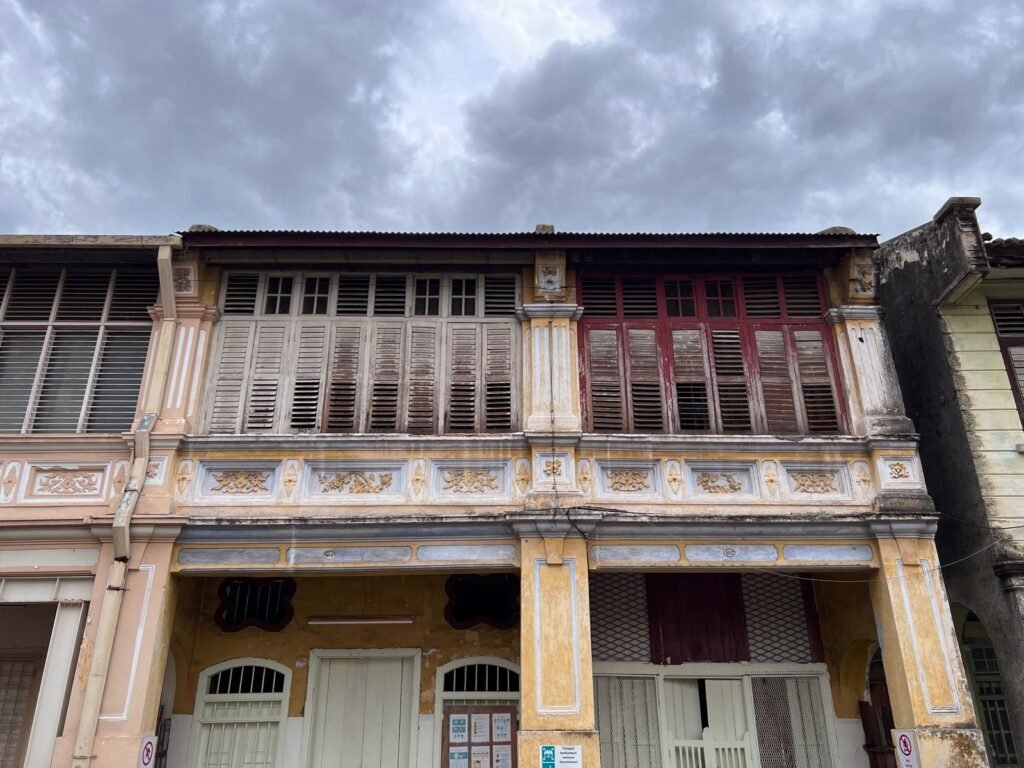
Ipoh’s wealth came from tin, and the city was built rapidly in the late 19th and early 20th century — the architecture reflects this boom: the grand Ipoh Railway Station (nicknamed the “Taj Mahal of Ipoh”), the elegant Town Hall, and block after block of Chinese shophouses in the old town, many now beautifully preserved or converted into cafes and restaurants. When the tin price collapsed, Ipoh stopped growing — which ironically preserved its character.
The food culture is the other major draw. Ipoh’s food scene is disproportionately celebrated even by Malaysian standards: white coffee (kopitiam kopi putih), bean sprout chicken (nga choy kai), yong tau foo (stuffed vegetables and tofu in broth), dim sum that starts at 6am and sells out by 9am, and a host of distinctly Ipoh dishes. Food is the reason most Malaysians go to Ipoh.
What to See in Ipoh
Ipoh Old Town
The historic core of Ipoh on the west bank of the Kinta River. The Concubine Lane (Lorong Panglima) and Hugh Low Street (Jalan Sultan Yussuf) area is the most photographed — narrow lanes lined with restored shophouses now converted into cafes, art galleries, and boutique hotels. The mural trail through the old town is also worth following.
Ipoh Railway Station and Padang
The Ipoh Railway Station (1914, Moorish colonial architecture) and the surrounding padang (town square) with the Town Hall and the FMS Railway Hotel are the architectural centrepieces of Ipoh’s colonial heritage. The hotel has been restored and is a notable place to stay if you’re spending a night.
Cave Temples
The limestone outcrops around Ipoh contain several Buddhist and Taoist cave temples. Sam Poh Tong (a Chinese Buddhist cave temple with a turtle pond and multi-level cave shrines), Kek Lok Tong (remarkable cave garden with landscaped grounds inside the cave), and Perak Tong (with murals and a viewpoint from the top of the limestone hill) are the main three. All are atmospheric and worth visiting alongside the old town.
Lost World of Tambun
A theme park built around hot springs and water attractions at the base of the limestone hills. Popular with families. Worth knowing about if you’re travelling with children.
What to Eat in Ipoh
Ipoh White Coffee
White coffee (kopi putih) was invented in Ipoh — roasted without sugar (which is what distinguishes white coffee from regular Malaysian kopi), then brewed and served with condensed milk. Less bitter and more aromatic than standard Malaysian coffee. The originating shops — Sin Yoon Loong and Yong Seng — are on Jalan Bandar Timah and have operated for decades. Go early (6–9am) for the full experience.
Bean Sprout Chicken
Nga choy kai — steamed chicken served with bean sprouts blanched just enough to retain their crunch, rice cooked in chicken stock, and dipping sauces. The dish sounds simple; the execution in Ipoh is exceptional. The bean sprouts here are fatter and crunchier than elsewhere, attributed to the local water from the limestone hills. Restoran Onn Kee and Lou Wong are the most famous venues.
Dim Sum
Ipoh’s dim sum scene starts before 6am and the best places sell out early. FMS Restaurant and Ming Court are legendary. Get there by 7am for the best selection. Standard Cantonese dim sum — har gow, siu mai, char siu bao, cheung fun — but executed with particular care.
Yong Tau Foo
Stuffed tofu, vegetables, and fishcake in a clear broth — an Ipoh specialty. The broth is typically light and clean. Hor Hee (a clear soup noodle dish) is a related Ipoh specialty worth trying.
Getting to Ipoh from KL
ETS Train: The Electric Train Service (ETS) from KL Sentral to Ipoh is the best way to travel. Journey time approximately 2 hours, tickets around RM35–50 depending on class. Trains run frequently throughout the day. Arriving at Ipoh Railway Station directly in the old town area. Book tickets on the KTM website or app — popular trains can sell out on weekends.
Car / Grab: Approximately 200km north on the North-South Expressway (PLUS). Journey time 2–2.5 hours depending on traffic. Toll cost approximately RM30. Driving gives more flexibility for cave temples and suburban restaurants.
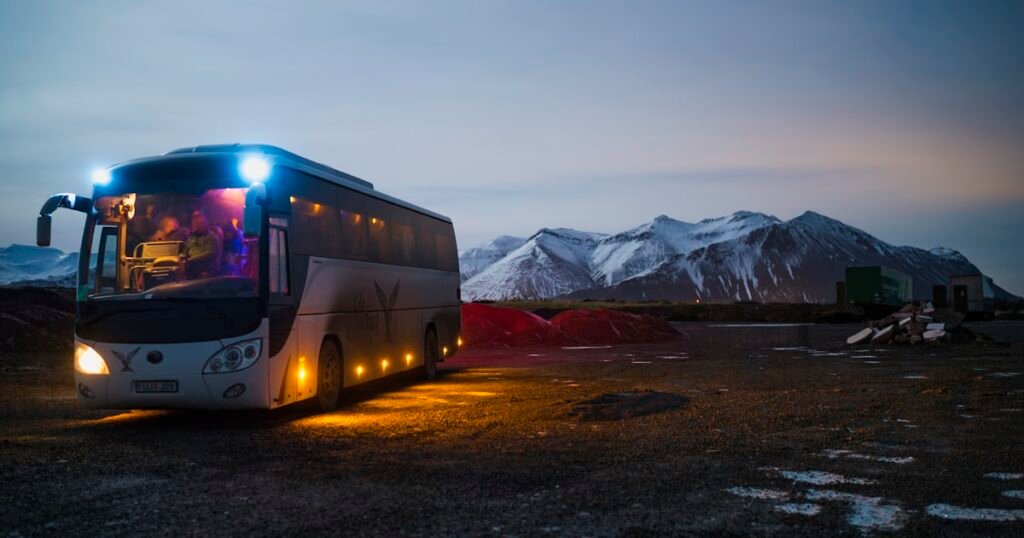
Bus: Buses from TBS (Terminal Bersepadu Selatan) to Ipoh run regularly. Slower than ETS but cheaper (around RM15–20).
Day Trip or Overnight?
Ipoh can be done as a very early day trip — leave KL at 7am, arrive by 9am, eat dim sum, explore the old town, have lunch, visit a cave temple, and be back in KL by 7pm. But an overnight stay is more relaxed and lets you do early morning coffee culture at its proper unhurried pace. A weekend in Ipoh (combining it with a stop at Cameron Highlands on the way back) is one of the best short breaks from KL.
Plan Your Ipoh Trip
Ipoh’s boutique heritage hotels in the old town area are excellent value. Agoda has good coverage of Ipoh properties — staying in or near the old town puts you within walking distance of the best dim sum and kopitiam.
Find Ipoh Hotels →Combine Ipoh with Cameron Highlands on a weekend away from KL — Booking.com makes it easy to book both stops with free cancellation flexibility.
Book Malaysia Hotels →Ipoh is very affordable — excellent meals for RM10–20. Wise lets you spend in ringgit at the real exchange rate, keeping your costs down across the trip.
Get Wise →Some links are affiliate links. I earn a small commission if you sign up at no extra cost to you. I only recommend things I actually use.