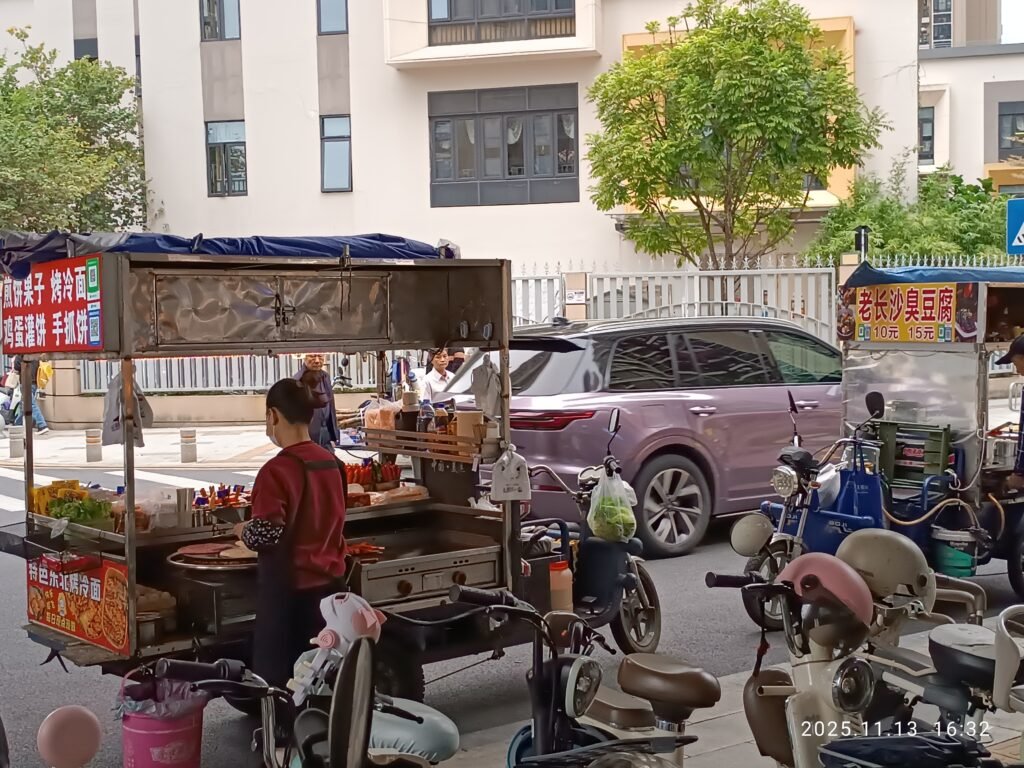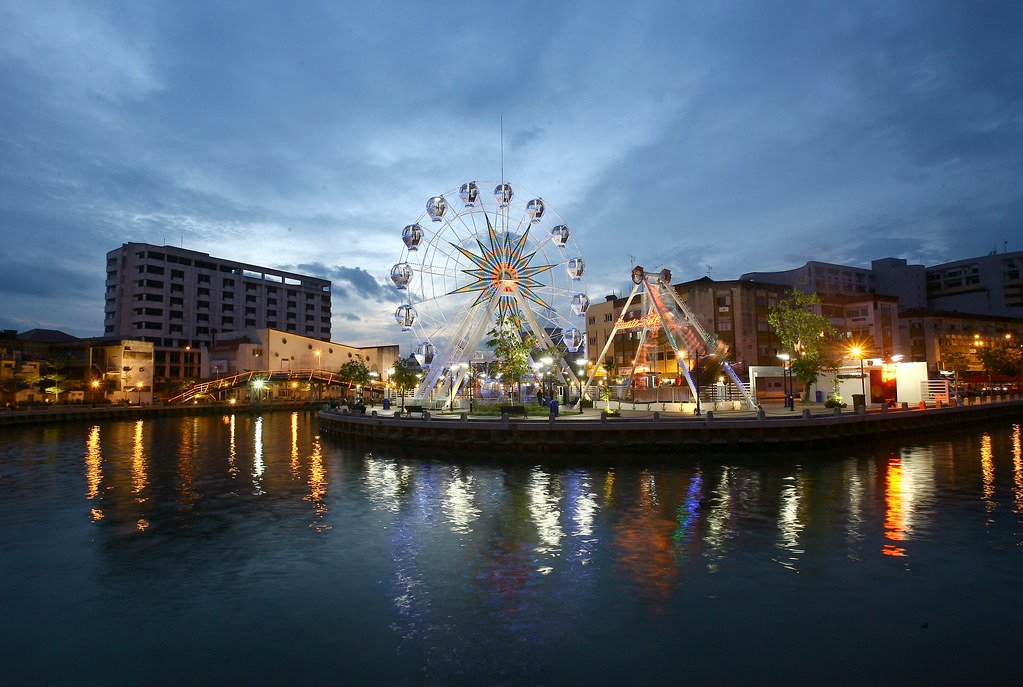
Malaysian Chinese food is one of the great cooking traditions of Southeast Asia. It’s not simply Chinese food transplanted to Malaysia — it’s a distinct culinary tradition developed over generations by communities from Fujian, Cantonese, Hokkien, Hakka, and Teochew backgrounds, adapted to Malaysian produce and influenced by Malay and Indian ingredients. The result is richer, spicier, and more intensely flavoured than what you’d find in most Chinese restaurants in the UK.
This guide covers the essential Malaysian Chinese dishes, their origins, and where to find the best versions in KL and across Malaysia.
The Chinese Dialect Communities and Their Food
Understanding Malaysian Chinese food starts with knowing that “Chinese food” in Malaysia isn’t monolithic — different dishes belong to different dialect communities with distinct culinary traditions:
Hokkien (Fujian): The largest Chinese community in Peninsular Malaysia. Famous for Hokkien mee (dark, thick noodles in lard and soy sauce, a KL signature), oyster omelette, and various braised dishes.
Cantonese: Significant in both Peninsular Malaysia and Sarawak. Best known for dim sum culture, roast meats (char siu, roast duck), wonton soups, and Cantonese noodle dishes.
Teochew: Strong community in Penang and parts of Peninsular Malaysia. Known for Teochew porridge (cháo), fish balls, steamed fish, and lighter-flavoured dishes.
Hakka: Known for yong tau foo (stuffed tofu), pork with salted fish, and braised dishes.
Essential Malaysian Chinese Dishes
Char Kway Teow
The most celebrated Malaysian Chinese street food — flat rice noodles stir-fried over ferociously high heat with dark soy sauce, chilli, bean sprouts, egg, Chinese sausage (lap cheong), and typically cockles (hum). The wok hei (breath of the wok) — that distinctive smoky, slightly charred flavour from cooking at extreme heat — makes or breaks char kway teow. The best versions are made in single portions by a single hawker over a charcoal flame.
Penang char kway teow is considered the gold standard. The version available in KL is generally the KL-Hokkien style, slightly different in character.
Hokkien Mee (KL Style)
Confusingly, “Hokkien mee” means different things in different Malaysian cities. In KL, it’s thick yellow egg noodles braised in a rich, dark lard-and-soy sauce with pork slices, prawns, squid, and fried lard pieces (char yew char). Deeply umami, rich, and hearty. One of KL’s signature dishes. Best eaten at a hawker stall with a clear view of the wok.
In Penang, “Hokkien mee” (also called Penang prawn mee or hae mee) is completely different — rice and yellow noodles in an intensely flavoured prawn-and-pork-bone soup, topped with tiger prawns, pork slices, kangkung, and a chilli paste. Equally excellent but a different dish.
Dim Sum
Cantonese dim sum in Malaysia is among the best in the world. Sunday morning yum cha (tea brunch with dim sum) is a beloved institution — tables turn over from 6am onwards, the best pieces sell quickly, and the atmosphere in a busy dim sum restaurant is chaotic and joyful.
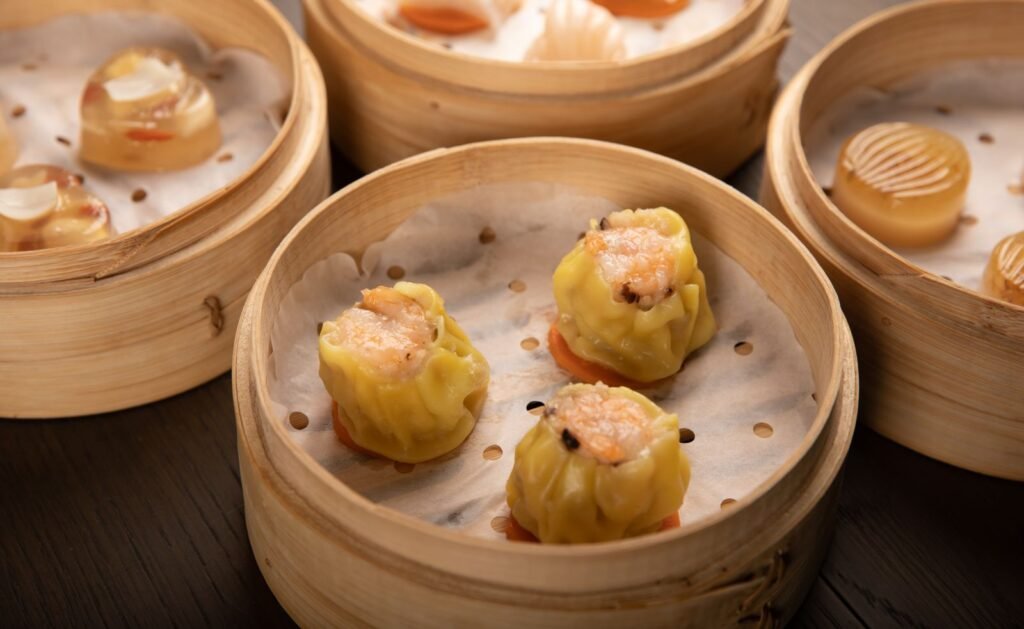
Classics: har gow (steamed prawn dumplings), siu mai (pork and prawn open dumpling), char siu bao (barbecue pork bun — both baked and steamed versions), turnip cake (lo bak go), cheung fun (rice noodle roll), and egg tart. Malaysian dim sum also includes lotus leaf glutinous rice (lo mai kai) and various other regional specialties.
Wonton Mee
Egg noodles (dry or in soup) with char siu pork, wonton dumplings, and choi sum (green vegetable). The dry version is dressed with soy sauce and lard. A standard kopitiam breakfast dish. Quality varies enormously — a good wonton mee is distinguished by the springiness of the noodles and the quality of the wontons (ideally plump with prawn and pork).
Bak Kut Teh
Pork ribs in a medicinal herb and spice broth — literally “meat bone tea.” The Klang Valley (and Klang city specifically) is the home of bak kut teh, and Malaysia’s version is darker, more herbal, and more complex than the Singaporean version. Eaten for breakfast or early lunch, with white rice, fried dough (you tiao) for dipping, and dark soy sauce with sliced chilli. Klang town (30 minutes from KL city centre) is the pilgrimage destination for serious bak kut teh.
Roast Meats
Cantonese roast meat shops (siu mei) serve sliced roast meats over rice: char siu (barbecue pork), siu yuk (crispy roast pork belly), roast duck, soy sauce chicken. These are typically displayed hanging in the shop front. Eaten at a simple table, the combination of perfectly roasted meat with white rice is one of the purest pleasures of Malaysian Chinese food.
Yong Tau Foo
Attributed to the Hakka community — vegetables, tofu, and fishcake stuffed with a fish paste filling, then boiled or fried and served in a clear broth or with a sauce. A lighter Malaysian Chinese dish, often chosen for its vegetable content. The Ampang district of KL has some of the most celebrated yong tau foo in Malaysia.
Where to Eat Malaysian Chinese Food in KL
Kopitiam (old-school Chinese coffee shop) hawker stalls — the original format. Find a kopitiam with multiple stalls inside, order from different stalls (each specialises), and pay separately at each stall. Drinks are ordered from the kopitiam operator. This is the authentic experience.
KL’s best areas for Malaysian Chinese food: Chinatown (Jalan Petaling and surrounds), Old Klang Road, Kepong, Chow Kit’s Chinese quarter, and the suburban commercial areas of Petaling Jaya and Subang Jaya. Ampang for yong tau foo and Cantonese seafood restaurants.
Experience KL’s Food Scene
For the best access to KL’s Chinese food scene, stay in or near Chinatown, PJ, or the Old Klang Road area. Agoda has great rates for KL hotels across all budgets.
Find KL Hotels →Malaysian Chinese hawker food is incredibly good value — RM8–15 for a full meal. Pay in ringgit with your Wise card at the real exchange rate, every time.
Get Wise →Eat adventurously and travel confidently with SafetyWing health insurance covering your Southeast Asia trip. Affordable monthly plans with no destination restrictions across the region.
Get SafetyWing →Some links are affiliate links. I earn a small commission if you sign up at no extra cost to you. I only recommend things I actually use.