The first time I walked into a kopitiam in KL, I had absolutely no idea what to order. I stood at the counter, looked at a menu written in both Malay and Chinese, pointed vaguely at what the person next to me had, and ended up with a glass of thick, sweet black coffee with a layer of condensed milk at the bottom. It was extraordinary. I’ve been a kopitiam regular ever since.
Kopitiam — the word is a fusion of “kopi” (coffee in Malay) and “tiam” (shop in Hokkien dialect) — are a cornerstone of Malaysian daily life. They’re the places where KL wakes up every morning, where old men read newspapers over half-boiled eggs, where construction workers fuel up before a shift, and where office workers grab breakfast before the commute. Understanding kopitiams is understanding Malaysia.
What Is a Kopitiam?
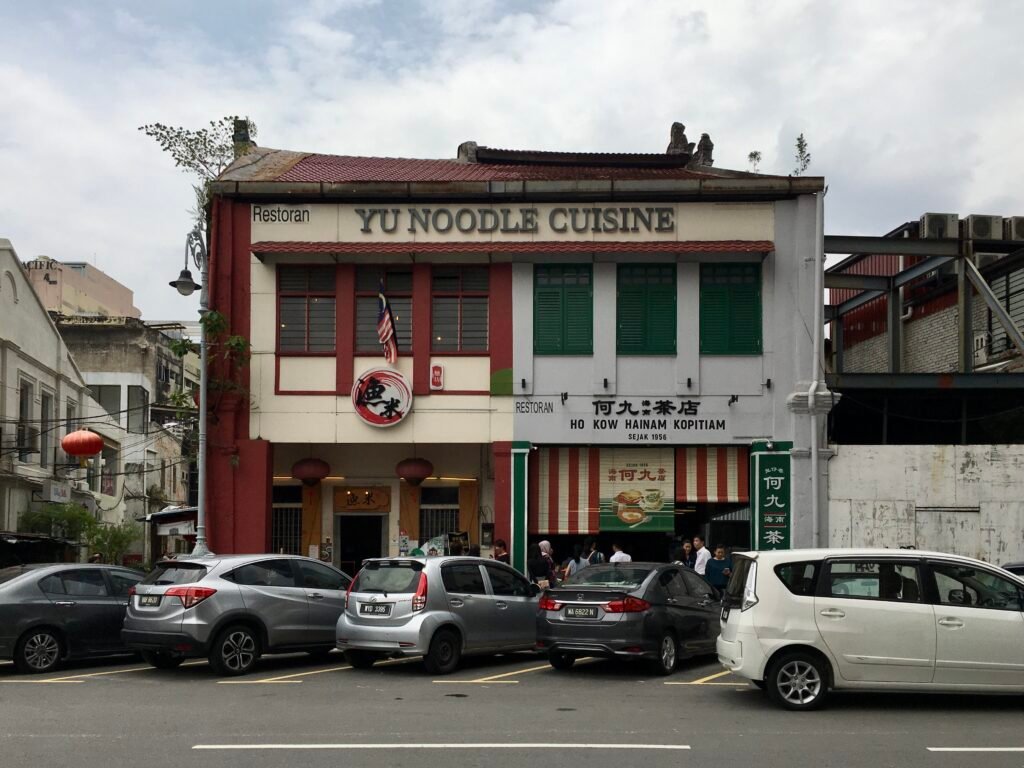
A kopitiam is a traditional Malaysian coffee shop, typically Chinese-owned, serving local coffee, tea, and a rotating selection of breakfast and lunch foods. They range from century-old establishments with marble-top tables and wooden chairs to newer, air-conditioned “neo-kopitiams” with Wi-Fi and USB sockets. Both are excellent.
The traditional kopitiam experience goes something like this: you walk in, find a table (there’s no formal seating — just sit anywhere with space), and a drinks person comes to take your order. Food vendors operate independently within the kopitiam space — think of it like a small food court under one roof. You might get your coffee from the main counter, your nasi lemak from the stall in the corner, and your roti bakar (toasted bread) from the stall by the window. Each vendor takes payment separately.
This model has operated in Malaysia for over a century and it works beautifully. The combination of different vendors under one roof means a good kopitiam offers incredible variety at very low prices.
The Coffee: Kopi and Its Many Forms
Malaysian kopitiam coffee is not like Western coffee. It’s made from Robusta beans that are roasted with butter and sugar — yes, butter — which gives it a distinctive richness and slight caramel quality. It’s often strong, always aromatic, and served in a thick ceramic mug or tall glass.
The ordering system uses a specific vocabulary that’s worth learning. Here’s the breakdown:
Kopi — black coffee with condensed milk (sweetened). The default, the classic, the one I order most days. It comes with a thick layer of condensed milk at the bottom that you stir in. Sweet and strong.
Kopi O — black coffee with sugar, no milk. “O” comes from the Hokkien word for black. Good if you want the coffee flavour without the creaminess of condensed milk.
Kopi O Kosong — black coffee, no sugar, no milk. Pure and simple. “Kosong” means empty or zero.
Kopi C — coffee with evaporated milk (not condensed). “C” refers to “Carnation,” the evaporated milk brand. Less sweet than regular kopi, slightly creamier.
Kopi Peng — iced coffee. Add “peng” (Hokkien for ice) to any of the above. Kopi O peng, kopi C peng, and so on. Essential during KL’s heat.
Kopi Tarik — “pulled” coffee, similar to teh tarik. It’s poured repeatedly between two containers to create a frothy, well-aerated texture. Theatrically impressive when done well.
The same system works for tea. Teh is milk tea with condensed milk, teh O is black tea with sugar, teh C is evaporated milk tea, teh tarik is pulled tea (the frothy national favourite), and teh peng is iced tea. Milo (chocolate malt drink) is also popular — Milo peng is a Malaysian institution.
The Food: What to Order
The food at a kopitiam varies by the vendors present, but certain items appear almost everywhere:
Roti Bakar (Toasted Bread)
Thick slices of white bread, toasted over charcoal or in a griller, spread with kaya (coconut and egg jam) and butter. Usually served with half-boiled eggs on the side. The eggs are cracked into a small bowl, seasoned with soy sauce and white pepper, and eaten in a runny state that’s more like a warm, silky sauce than a cooked egg. The ritual of dipping the roti into the egg bowl is one of Malaysia’s great breakfast pleasures. Costs around MYR 3–5.
Nasi Lemak
Malaysia’s national dish, available at kopitiams from early morning. Coconut rice wrapped in banana leaf, served with sambal (chilli paste), a fried anchovies and peanut mix, cucumber slices, and a hard-boiled egg. The budget version costs MYR 2–4; add a fried chicken wing or curry for MYR 7–10 total. Extraordinary value.
Char Kway Teow
Flat rice noodles stir-fried in a screaming hot wok with egg, beansprouts, Chinese sausage, and sometimes prawns or cockles. Slightly smoky from the wok hei (breath of the wok). One of Malaysia’s most beloved dishes and a kopitiam staple for lunch. MYR 7–12.
Wonton Mee
Egg noodles in broth or served dry (kon loh) with wonton dumplings, sliced char siu (barbecued pork), and a side of soup. The dry version is tossed in a savoury-sweet soy sauce. MYR 6–10.
Curry Laksa
A rich, coconut-based curry soup with thick vermicelli or egg noodles, tofu puffs, beansprouts, prawns, and often cockles. One of my absolute favourites and one of the dishes I genuinely miss when I’m outside Malaysia. MYR 8–14.
Dim Sum
Many kopitiams run dim sum service in the morning — har gow (prawn dumplings), siu mai (pork dumplings), char siu bao (BBQ pork buns), turnip cake, and more. Usually MYR 3–5 per basket, and you work through several baskets. Weekend mornings are the best time for this.
My Favourite Kopitiams in KL
This is where I’d eat if you gave me a free morning in KL:
Nam Heong Coffee Shop (Petaling Street): A KL institution, open since 1944. Their kopi is some of the best I’ve had anywhere in Malaysia — properly roasted, served in the old-fashioned way with condensed milk. The char siu bao is also excellent. Get there early on weekends.
Kedai Kopi Yut Kee (Dang Wangi): Another legendary spot, open since 1928. Famous for their roti babi (bread stuffed with pork and onion, then fried — don’t skip it), their pork chops, and their coffee. It’s a proper old-school kopitiam with marble tables and wooden chairs. Often has a queue on weekend mornings. Worth every minute of the wait.
Weng Hing (Brickfields): If you’re near KL Sentral or Little India, Weng Hing does outstanding curry laksa at breakfast. It sounds unusual to eat curry laksa at 8am but this is Malaysia — go with it.
Old Town White Coffee (multiple locations): Not a traditional kopitiam — it’s a chain — but a good introduction to Malaysian coffee culture for first-timers. Clean, air-conditioned, English menus, consistent. Their White Coffee (a milder, slightly milkier roast) is genuinely good. All over KL.
Kopitiam Etiquette: A Few Notes
There’s a loose set of unwritten rules worth knowing. Nobody will be offended if you break them — you’re a visitor, they’re used to it — but following them signals you know what you’re doing.
Reserving seats with tissue packets: If you see a packet of tissues on a table but nobody sitting there, the seat is reserved. This is normal Malaysian etiquette. Find a different table or ask if the remaining seats are free.
Ordering from separate vendors: At older-style kopitiams, the drinks person is separate from the food stalls. Order your drinks from the main counter (or when someone comes around), then walk up to the food stall you want and order directly. You pay each separately — don’t try to pay for your noodles at the drinks counter.
Table-sharing is normal: Kopitiams are communal. If a kopitiam is busy and you see empty seats at an occupied table, it’s perfectly fine to sit down after making eye contact and getting a nod. Nobody expects conversation.
Bring cash: Most traditional kopitiams are cash only. QR code payments are appearing at some, but don’t assume. MYR 20–30 will easily cover breakfast for two.
The Neo-Kopitiam Trend
Alongside the traditional spots, KL has seen a boom in “neo-kopitiams” — air-conditioned, design-forward coffee shops that serve traditional kopitiam food and coffee alongside modern café items. Places like Bao & Coffee, Breakfast Thieves (more Australian influenced), and a handful of spots in Bangsar and Damansara blur the line between a Western-style café and a traditional kopitiam.
I enjoy both. The traditional spots win on character and price; the neo versions win on comfort during the midday heat. Both serve a purpose in my week.
Why the Kopitiam Matters
You could, in theory, spend your entire time in KL eating at hotels and malls. Many tourists do. They miss something important.
The kopitiam is where you see the real KL — the mix of ethnicities sharing tables, the aunties arguing over mahjong tiles in the corner, the uncles arguing about football. It’s loud and busy and completely unpretentious, and the food is frequently better than anything you’d eat in a restaurant three times the price. If I had to pick one thing to introduce a first-time visitor to KL to, it would be a kopitiam breakfast. It says everything about what makes this city work.
SafetyWing — affordable health insurance for nomads and expats
Agoda — great rates on KL hotels and apartments
NordVPN — essential for public WiFi in cafés and kopitiams
Related Reading
Some links in this post are affiliate links. I earn a small commission if you sign up at no extra cost to you. I only recommend things I actually use.