Chinese New Year in Kuala Lumpur is one of the most vibrant celebrations I’ve experienced anywhere in the world. Malaysia’s ethnic Chinese community — about 23% of the population — makes Lunar New Year a genuinely national event. KL goes through a two-to-three week transformation: streets are festooned with red lanterns, lion dances erupt at businesses across the city at all hours, and the food — oh, the food — reaches a particular kind of celebratory intensity that you only get at major festivals.
As an expat, Chinese New Year in KL is something to plan for, not just witness. Here’s everything you need to know about when it happens, what to expect, where to celebrate, and how to navigate the city during one of its most festive periods.
When Is Chinese New Year?
Chinese New Year (also called Lunar New Year or Spring Festival) follows the Chinese lunisolar calendar and falls on a different date each year. It’s always between late January and mid-February. In 2025, Chinese New Year fell on January 29th (Year of the Snake). In 2026, it falls on February 17th (Year of the Horse).
The official celebration in Malaysia lasts 15 days, ending with the Lantern Festival (Chap Goh Mei) on the 15th day of the lunar month. The biggest celebrations are on Chinese New Year’s Eve and the first two days of the new year, which are public holidays in Malaysia.
Chinese New Year Public Holidays in Malaysia
The first and second days of Chinese New Year are federal public holidays — two days off for the whole country. Many Chinese-owned businesses close for the first three to seven days of the new year (or even longer), returning to their hometowns and family homes. This has practical implications:
- Many Chinese-run restaurants and hawker stalls close for several days to a week around CNY. This includes many of your favourite places.
- Chinese-owned service businesses (workshops, tailors, some clinics) close for varying periods
- Malay and Indian hawkers typically stay open and often do excellent business during this period
- International restaurants and large chains remain open as normal
Stock up on groceries before the holiday period starts, and identify which of your regular food spots will be closed and for how long. The first day of CNY can feel oddly quiet in Chinese-majority neighbourhoods.
What to Do in KL During Chinese New Year
Chow Kit, Chinatown, and Pudu
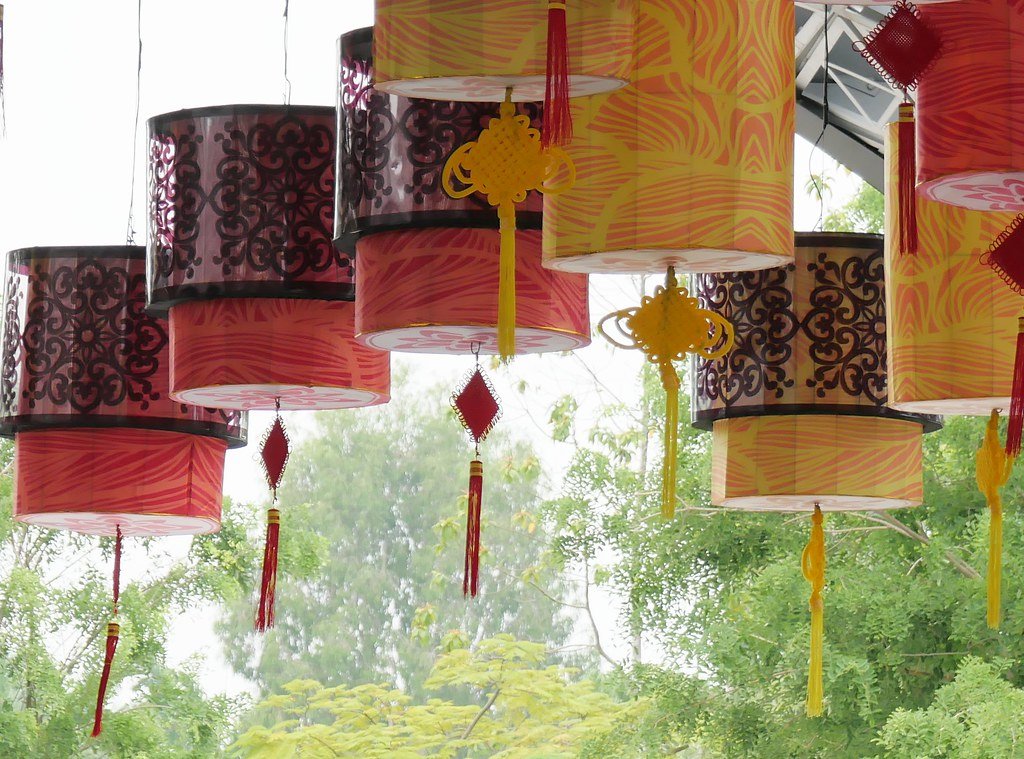
Petaling Street in Chinatown transforms dramatically in the weeks before CNY — red lanterns and decorations from one end to the other, extended trading hours, and a generally festive atmosphere even for non-Chinese visitors. Walk through Petaling Street in the week before CNY to see the decorations at their peak.
Lion Dances
Lion dances (barongsai) are performed at businesses across the city from the eve of Chinese New Year through the 15 days. The lion (performed by two dancers in a single costume) is believed to bring good luck, and businesses invite lion dance troupes to usher in a prosperous new year. In KL’s commercial districts — Jalan Imbi, Bukit Bintang, Petaling Street, Kepong, Cheras — you’ll see and hear lion dances constantly during CNY. The sound of drums and firecrackers (technically illegal but widely tolerated during this period) is the soundtrack of the festival.
Shopping Malls
Malaysian shopping malls go all-out for CNY — decorations, special CNY product ranges, cultural performances, and photo installations that become packed on weekends. Sunway Pyramid, Mid Valley Megamall, and Pavilion KL tend to have the most elaborate installations. The Pavilion CNY display has historically been a major KL photo opportunity.
Yee Sang (Lou Sang)
Yee sang is the CNY dish you absolutely must try in Malaysia. It’s a raw fish salad (the most common version uses salmon) tossed together at the table with colourful vegetables, crackers, sauces, and condiments. The tossing is the ritual: everyone at the table takes their chopsticks, holds the ingredients high while tossing (the higher you toss, the more luck for the coming year), and shouts auspicious phrases. The result is a delicious chaos of textures and flavours.
Yee sang is a Malaysian-Singaporean Chinese tradition rather than a mainland Chinese one — it’s one of the distinctive features of Southeast Asian Chinese New Year. Every Chinese restaurant, hotel, and many cafes serve it from mid-January through Chap Goh Mei. You can have it multiple times during the season — each “lou sang” is a celebration with the people you’re eating with. Don’t miss it.
Bak Kwa and CNY Snacks
Bak kwa is a sweet-savoury barbecued dried meat (usually pork) that’s as synonymous with Chinese New Year in Malaysia as mince pies are with Christmas in Britain. The queues at famous bak kwa shops in the weeks before CNY can be extraordinary. Bee Cheng Hiang and Lim Kee are well-known chains. For the freshest quality, look for smaller specialist shops in areas like Pudu, Kepong, and Old Klang Road.
Other CNY snacks worth seeking: pineapple tarts (a Peranakan tradition, ubiquitous in Malaysia), kuih kapit (love letters — thin coconut wafer rolls), cornflake cookies, and an array of traditional biscuits that appear only during this season.
Thean Hou Temple
The large Chinese temple in Seputeh (see the hidden gems guide) is spectacular during CNY — hundreds of lanterns, 24-hour celebrations on New Year’s Eve, lion dances, prayer ceremonies, and a general atmosphere of joyful intensity that’s very different from the temple on a regular day. Going on New Year’s Eve or the first morning of CNY is an experience worth the Grab ride.
Chap Goh Mei — The 15th Day
The 15th day of Chinese New Year is marked by the Lantern Festival (Chap Goh Mei in Hokkien). The tradition in Malaysia that’s specific to this is the throwing of mandarins into the sea or river by single women (a practice associated with finding a partner). In KL, this happens at Putrajaya Lake and some park locations. The evening is also marked by lanterns, additional lion dances, and the last big celebration before things return to normal. It’s also said to be the most romantic night of the year in Chinese tradition.
Open Houses During Chinese New Year
As with Hari Raya, Chinese New Year in Malaysia has an open house (rumah terbuka) tradition — Chinese families invite friends, colleagues, and neighbours of all backgrounds to their homes in the first two weeks of the new year. You’ll be fed: bahulu cake, kuih, mandarin oranges (symbolising prosperity), bak kwa, and various celebration foods. Mandarin oranges are the traditional CNY gift — bring a pair (always two, never one — it symbolises completeness) when visiting someone’s home during the CNY period.
CNY Etiquette for Non-Chinese Expats
- Say “Gong Xi Fa Cai” (Mandarin) or “Kong Hei Fatt Choi” (Cantonese) — “wishing you prosperity” — as a greeting during CNY. Both are common in Malaysia depending on the speaker’s background.
- Wear red during CNY visits if possible — it symbolises good luck. Avoid white or black at CNY gatherings, as these are associated with mourning.
- Receive red envelopes (ang pow / hong bao) with both hands and don’t open them immediately in front of the giver.
- Married adults give ang pow to children and unmarried young adults. If you’re married and visiting someone with children, having some ang pow ready is a lovely gesture.
- Don’t sweep or clean on the first day of CNY — it’s considered bad luck to sweep away the new year’s good fortune.
Practical Notes: What Changes in KL During CNY
Food delivery apps (Grab Food, Foodpanda) may have reduced restaurant options during the holiday period as Chinese restaurants close. Delivery times may also increase due to demand. Plan meals in advance for the first 2–3 days of CNY.
Traffic into and out of KL changes significantly: the week before CNY, traffic into KL increases as people shop and prepare; the holiday days themselves are often quiet in the city as people travel to family; after CNY, traffic normalises. Unlike Hari Raya, the balik kampung effect for CNY is slightly less concentrated in Malaysia.
🧧 Celebrating in KL
Agoda
If you’re visiting KL for CNY, book your hotel early — the festival period is busy. Great hotel deals across the city.
Find HotelsWise
Best exchange rate for Malaysian ringgit. Pay for CNY meals, ang pow cash, and shopping without conversion fees.
Open WiseNordVPN
Keep your UK streaming and banking working from Malaysia — essential for expats who want to call family during the Chinese New Year period.
Get NordVPNSome links are affiliate links. I earn a small commission if you sign up at no extra cost to you. I only recommend things I actually use.