One thing that catches new expats off guard in Malaysia: the public holiday calendar is both generous and complicated.
You get more public holidays than back home — that’s the good news. The tricky part is that the dates shift each year (Islamic holidays follow the lunar calendar), different states celebrate different holidays, and the overlap of three major religious communities means there are festivals roughly every six weeks that affect how the city operates.
Here’s everything you need to know.
How Malaysian Public Holidays Work
Malaysia has national public holidays observed everywhere, plus state public holidays that vary by state. Kuala Lumpur is a Federal Territory, which means it follows Federal Territory holidays rather than Selangor ones — this matters if you work somewhere that spans both.
There are also religious holidays that only affect the corresponding community: Muslim employees get Hari Raya leave, for example, while non-Muslims in some states work those days.
In practice, for most expats in KL, the national holidays are the ones that matter: banks close, government offices close, some shops close, and the city is either empty (everyone’s gone home) or packed (everyone’s out celebrating).
National Public Holidays in Malaysia
Fixed-Date National Holidays
| Holiday | Date | What It Is |
|---|---|---|
| New Year’s Day | 1 January | Gregorian new year |
| Labour Day | 1 May | Workers’ Day / May Day |
| Yang di-Pertuan Agong’s Birthday | First Monday of June | Malaysia’s King’s official birthday |
| National Day (Hari Merdeka) | 31 August | Independence from Britain, 1957. Parade at Dataran Merdeka in KL |
| Malaysia Day (Hari Malaysia) | 16 September | Formation of Malaysia (including Sabah and Sarawak), 1963 |
| Christmas Day | 25 December | Public holiday for all |
Islamic Holidays (Dates Change Each Year)
These follow the Islamic lunar calendar, so they shift by roughly 11 days earlier each year. Dates are confirmed only a day or two in advance in Malaysia (when the moon is sighted), so the exact date is never certain far ahead.
| Holiday | What It Is | What to Expect |
|---|---|---|
| Hari Raya Aidilfitri (Eid al-Fitr) | End of Ramadan, two consecutive public holidays | The biggest holiday of the year. KL empties as Malays return to their hometowns. Banks, government offices, many businesses closed for 2+ days. Traffic chaos the week before. |
| Hari Raya Aidiladha | Festival of Sacrifice, 70 days after Eid al-Fitr | 1 public holiday. Quieter than Hari Raya but still significant. |
| Awal Muharram (Islamic New Year) | Islamic New Year | 1 public holiday. Usually quiet — a day off rather than a major celebration. |
| Maulidur Rasul (Prophet Muhammad’s Birthday) | Birth of the Prophet | 1 public holiday. Processions in some areas. |
Chinese Holidays
| Holiday | When | What to Expect |
|---|---|---|
| Chinese New Year | Late January or February (lunar), 2 public holidays | Second-biggest holiday after Hari Raya. Chinatown and Chinese commercial areas transform. Lion dance performances. Many Chinese-owned restaurants and businesses close for a week or more. Book restaurants in advance the week after CNY. |
| Thaipusam | January or February (Tamil calendar) — Federal Territory holiday | Major Hindu festival. Batu Caves becomes a pilgrimage site with extraordinary kavadi processions. Hundreds of thousands attend. Worth seeing once — it’s an extraordinary spectacle. |
Hindu and Other Holidays
| Holiday | When | What to Expect |
|---|---|---|
| Deepavali (Diwali) | October or November | Festival of Lights. Little India in Brickfields transforms beautifully. 1 public holiday. Generally positive, low-disruption celebration. |
| Wesak Day | May (Buddhist calendar) | Buddhist holiday marking the Buddha’s birth, enlightenment, and death. 1 public holiday. Candlelight processions in some areas. |
Federal Territory Day — KL Specific
If you’re living in Kuala Lumpur (the Federal Territory), you get an extra public holiday that most of the country doesn’t: Federal Territory Day on 1 February. This celebrates the gazettal of KL, Putrajaya, and Labuan as Federal Territories. If your office is in KL proper (not Selangor), you get this day off.
The Hari Raya Effect — What Expats Need to Know
Hari Raya Aidilfitri deserves special mention because it’s the one that most affects expat life in KL.
In the week before Hari Raya, KL’s road traffic becomes genuinely nightmarish as millions of Malaysians begin their balik kampung (return to hometown) journeys. The city slows, then empties. On the holiday itself and the following days, KL can feel like a ghost town — which is actually quite peaceful.
On the flip side, the two weeks of Ramadan before Hari Raya are worth paying attention to. Most Muslim Malaysians fast during daylight hours, which means:
- Business hours sometimes shift (early closing in some places)
- Many food stalls don’t open until afternoon or evening
- But Ramadan bazaars (Pasar Ramadan) appear in the late afternoon everywhere — extraordinary food markets with huge variety and low prices
The etiquette: don’t eat or drink in front of fasting colleagues or in Muslim-heavy areas during daylight hours out of respect. Non-Muslims aren’t required to fast but the considerate gesture is appreciated.
How Holidays Move in Malaysia
When a public holiday falls on a Sunday, the following Monday is typically declared a public holiday in lieu. When it falls on Saturday, some employers give Friday as a replacement — but this isn’t always mandated. Worth checking your employment contract.
Planning Around Malaysian Public Holidays
For remote workers: Most of these holidays are genuinely welcome bonus days off. Working around them is easy when your work is location-independent.
For travel planning:
- Book early before Hari Raya and Chinese New Year. Flights within Malaysia and to neighbouring countries sell out weeks in advance. Hotels at popular destinations like Penang, Langkawi, and Cameron Highlands fill up.
- Avoid driving out of KL on the eve of major holidays. Traffic on the highways north (to Penang) and south (to Johor Bahru/Singapore) becomes extraordinary.
- Budget for higher accommodation prices. School holidays and public holidays see hotel rates spike significantly.
For errands:
- Banks are closed on all public holidays, no exceptions
- Government offices close — plan immigration, JPJ, and similar visits around the holiday calendar
- Large shopping malls often stay open on public holidays (these are busy commercial days)
- Grocery supermarkets mostly stay open but may close early on the biggest holidays
School Holidays (Affects Traffic and Hotels)
Even if you don’t have children, the Malaysian school holiday schedule affects you because it drives traffic patterns and accommodation prices. Malaysia has several school holiday periods:
- March break: 2 weeks in mid-March
- May/June break: The main mid-year break, roughly 4 weeks
- August break: 2 weeks in mid-August
- November/December break: The long end-of-year break, 6–7 weeks
During these periods, domestic tourism peaks. If you’re planning a weekend trip to Langkawi or Cameron Highlands, check whether it falls in a school holiday and book further ahead than usual.
The Upside: Festival Season is Extraordinary
Here’s the thing about Malaysia’s complex holiday calendar: experiencing all these festivals is genuinely one of the best things about living here.
Hari Raya open houses (where Malay families invite colleagues, neighbours, and strangers in to celebrate and eat) are one of the most welcoming social experiences I’ve had. Chinese New Year in Petaling Street is extraordinary. Thaipusam at Batu Caves is unlike anything you’ll have seen before. Deepavali in Brickfields is beautiful.
The calendar that seems complicated from a logistics perspective is actually a year-round invitation to experience three major cultures’ most important celebrations. That’s the part that doesn’t really exist back in the UK.
Related Reading
🏖️ Planning a Trip to Malaysia During Festival Season?
Agoda
Book early for holiday weekends. Agoda has the best Asia hotel rates — especially Penang and Langkawi.
Search AgodaBooking.com
Great for comparing options across all Malaysia destinations, especially for peak holiday periods.
Search Booking.comSafetyWing
Expat health insurance that covers you across Malaysia and regional trips. From USD 45/month.
Check SafetyWingSome links are affiliate links. I earn a small commission if you sign up at no extra cost to you. I only recommend things I actually use.
How Public Holidays Work in Malaysia
Malaysia has three types of holidays:
National public holidays — observed across the entire country. These include Hari Merdeka (Independence Day), Hari Malaysia, the Yang di-Pertuan Agong’s birthday, and major religious festivals including Eid al-Fitr (Hari Raya Aidilfitri), Chinese New Year, Deepavali, and Christmas.
State public holidays — each of Malaysia’s 13 states has its own additional public holidays, typically including the state ruler’s birthday, state-specific religious observances, and historical dates. If you live in KL (a Federal Territory) you observe Federal Territory Day on February 1st, for example.
Optional/restricted holidays — some employers offer a bank of optional holidays employees can take on the religious festival most relevant to them. Common in larger multinationals.
In practice: expect around 15–18 public holidays per year in KL across national and Federal Territory observances.
The Major Malaysian Festivals
Chinese New Year (January/February)
The biggest festival of the year for Malaysia’s Chinese community, and one of the most spectacular in Southeast Asia. The date shifts each year according to the lunar calendar — typically falling in late January or February.
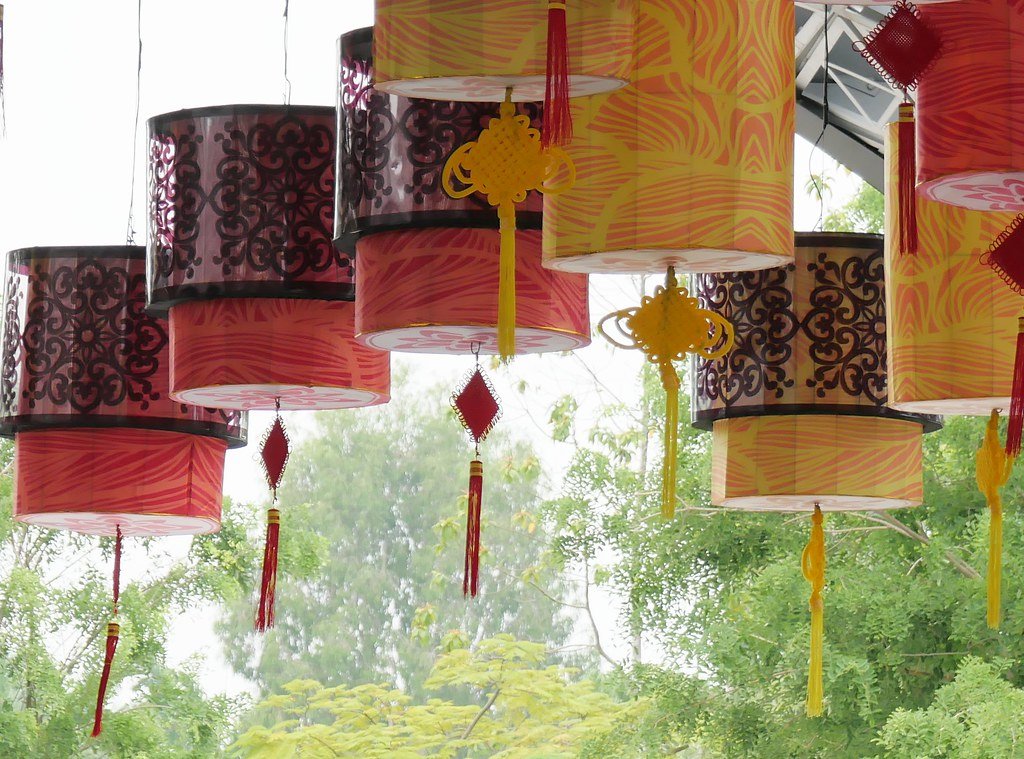
What to expect: two official public holidays (Day 1 and Day 2), though many Chinese businesses close for up to 15 days. KL’s Chinatown (Petaling Street) and Chow Kit transform with decorations, lanterns, and lion dance performances. Shopping malls go all-out with decorations from January onwards. Restaurants offer CNY set menus. The reunion dinner on New Year’s Eve is a major family occasion.
Practical reality: If your regular char kway teow stall or favourite Chinese restaurant is run by Chinese Malaysians, expect them to be closed for 1–2 weeks. Plan accordingly and stock up or find Malay/Indian alternatives. Traffic is dramatically lighter in KL for the first few days as Chinese Malaysians return to their hometowns — the city is unusually quiet.
Open houses: Malaysian Chinese families often hold “open houses” during CNY, welcoming friends of all ethnicities for food and celebration. If you’re invited, go. You’ll eat exceptionally well and experience the warmth of Malaysian hospitality at its finest.
Hari Raya Aidilfitri (Eid al-Fitr)
The most important religious celebration for Malaysia’s Muslim majority. Hari Raya marks the end of Ramadan — the month of fasting — and the date shifts earlier by about 11 days each year following the Islamic lunar calendar.
Two official public holidays. In practice, many Malay Malaysians take the full week off to return to their home villages (kampung). KL can feel quieter than usual during Hari Raya week, with many Malay-operated stalls and restaurants closed.
The weeks before Hari Raya are colourful: shopping malls are decorated with green and gold, Bazar Ramadan (night markets selling breaking-fast food) appear across the city during Ramadan, and the atmosphere builds toward the celebration. Malay bakeries sell traditional kuih (cookies and cakes) that only appear at this time of year.
Open houses are a central feature: Malay families open their homes to friends and neighbours of all races and religions. As an expat, receiving an open house invitation from Malay colleagues is a genuine privilege.
Thaipusam
One of the most visually extraordinary festivals in Southeast Asia. The Hindu festival of Thaipusam draws over a million devotees to Batu Caves in KL each year in January/February (Tamil month of Thai, full moon day). Devotees carry kavadi (elaborate metal frameworks) pierced into their bodies as acts of devotion, climbing the 272 steps to the Murugan temple above.
One official public holiday in KL and Selangor. The festival itself is a full night and day event — devotees often begin the procession from Sri Mahamariamman Temple in Chinatown at 3am, walking to Batu Caves. The scene at Batu Caves with tens of thousands of devotees, drummers, and kavadi bearers is unlike anything I’ve experienced. A must-see. Full Thaipusam guide here.
Wesak Day (Vesak)
The Buddhist celebration of Buddha’s birth, enlightenment, and death. One of Malaysia’s most serene public holidays. Buddhist temples across KL hold candlelit processions, meditation sessions, and charitable activities. The procession from Buddhist temples in Brickfields (Little India area) through KL is beautiful and peaceful. One public holiday.
Deepavali (Diwali)
The Hindu Festival of Lights, celebrated by Malaysia’s Tamil Indian community in October/November. One public holiday. Little India in Brickfields transforms with lights and decorations. Shops sell traditional Indian sweets and clothing. The festival itself celebrates the victory of light over darkness.
KL’s Tamil community holds open houses during Deepavali — the food is spectacular. Traditional Indian sweets (murukku, ladoo, payasam) and elaborate vegetarian meals are the centrepiece.
Hari Raya Aidiladha
The second major Islamic festival, marking the willingness of Ibrahim to sacrifice his son. About two months after Hari Raya Aidilfitri. One public holiday. Mosque communities perform the korban (sacrifice) and distribute meat to those in need.
Malaysia Day and Merdeka Day
Hari Merdeka (Independence Day) — August 31: Malaysia’s independence from British rule in 1957. The national day celebration in KL is centred on Dataran Merdeka (Independence Square), with a military parade, flag ceremony, and public celebrations. One public holiday.
Malaysia Day — September 16: Marks the formation of Malaysia in 1963 when Sabah, Sarawak, and Singapore (later left) joined the federation. One public holiday, added to the calendar in 2010.
Christmas
Christmas is a public holiday in Malaysia and celebrated extensively by the Christian minority. KL’s malls begin decorating in November with Christmas trees and lights that rival any in the UK. Midnight Mass at St John’s Cathedral and other churches is well-attended. One public holiday (December 25).
The Ramadan Month in KL
While Ramadan itself is not a series of public holidays, the month of fasting transforms daily life in KL in ways that affect everyone:
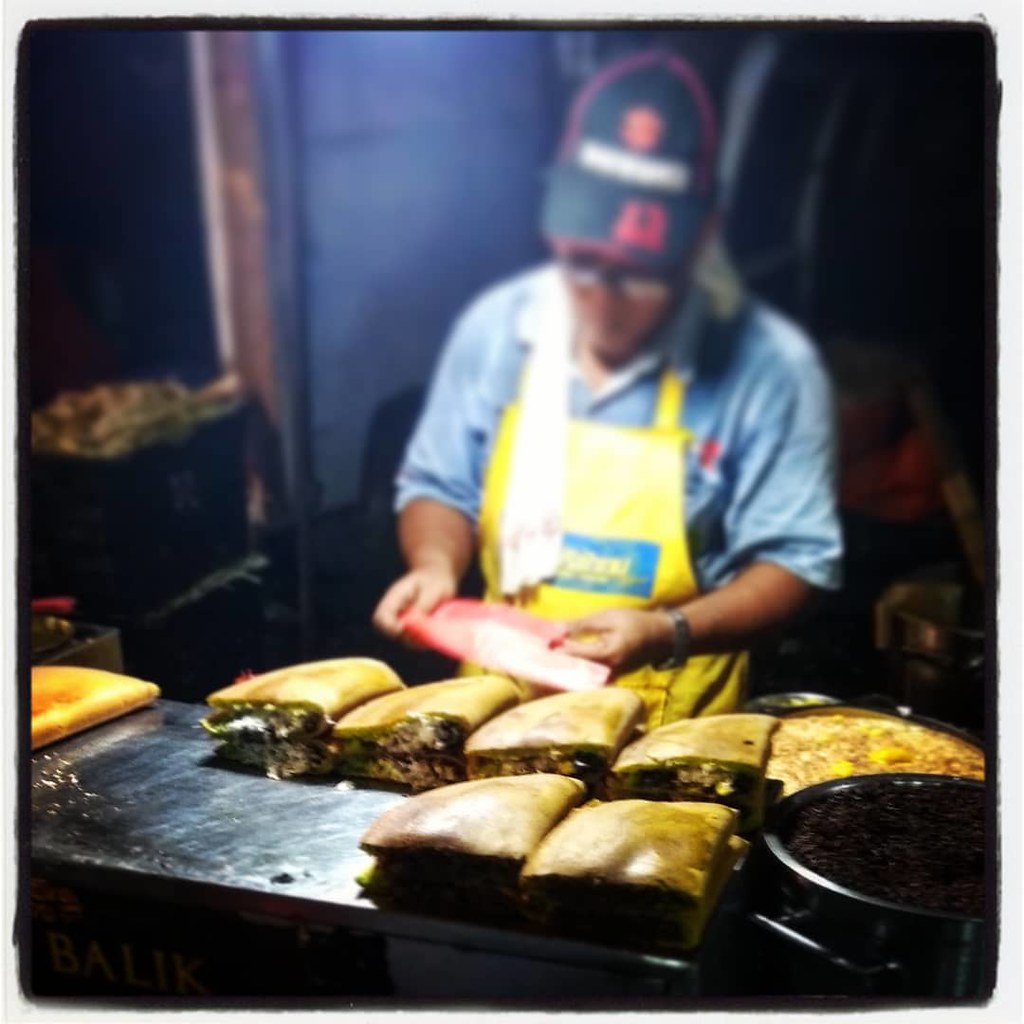
Bazar Ramadan (breaking-fast bazaars) appear throughout the city from mid-afternoon, selling traditional Malay foods for iftar (breaking the fast at sunset). These markets are some of the best food experiences in KL — try apam balik, murtabak, kuih, and an extraordinary variety of rice dishes. They disappear after Ramadan, so they’re seasonal.
Some Malay restaurants don’t serve during daylight hours for Muslim customers, though many remain open or have separate areas for non-Muslims. This is less restrictive in KL than in smaller Malaysian towns.
Read my full guide to Ramadan in KL as a non-Muslim.
Planning Your Year Around Malaysian Holidays
Key planning considerations as an expat:
Chinese New Year and Hari Raya are the two periods when KL traffic, accommodation prices in destinations, and cross-Malaysia travel are most affected. Book any Malaysian getaway well in advance if it falls near these festivals.
School holidays also dramatically affect KL traffic and destination accommodation. Malaysian schools have four holiday periods — check the annual school calendar and expect traffic to be notably worse in KL during school holiday periods.
The Aidilfitri period sees airfares to Malaysia spike significantly for Malaysians coming home. If you’re planning UK-KL flights, avoid the week of Hari Raya for better prices.
Plan Your Malaysia Stay
Book accommodation across Malaysia in advance of festival periods — prices spike around Chinese New Year and Hari Raya, especially in Penang and popular destinations. Agoda’s free cancellation options are useful if plans shift.
Book on Agoda →Festival season means shopping, food, and gifts in ringgit. Use your Wise card for all ringgit spending at the real exchange rate — it works at card terminals and ATMs across Malaysia with zero foreign transaction fees.
Get Wise →Make sure you have health cover sorted before you arrive — SafetyWing’s Nomad Insurance covers Malaysia and the rest of Southeast Asia on a flexible monthly subscription with no long-term commitment.
Get SafetyWing →Some links are affiliate links. I earn a small commission if you sign up at no extra cost to you. I only recommend things I actually use.