Ramadan transformed my experience of living in KL more than any other annual event. The fasting month — when Malaysia’s Muslim majority abstains from food and drink from dawn until sunset — changes the rhythm of the city in ways that are fascinating, sometimes inconvenient, and ultimately deeply enriching to be part of. Here’s what non-Muslim expats need to know.
What Is Ramadan?
Ramadan is the ninth month of the Islamic lunar calendar — the holy month during which Muslims fast from dawn (Fajr prayer, before sunrise) until sunset (Maghrib prayer). The fast (puasa in Malay) prohibits eating, drinking (including water), smoking, and other physical pleasures during daylight hours. It’s a month of spiritual reflection, increased prayer, charitable giving, and community.
Because the Islamic calendar is lunar, Ramadan shifts earlier by approximately 11 days each year relative to the Gregorian calendar. It can fall in any season. In KL, Ramadan during the hot months means fasting in 33–35°C heat for 14+ hours — a significant physical challenge that most Malay Muslims observe with remarkable cheerfulness.
How Ramadan Changes KL
The Bazar Ramadan
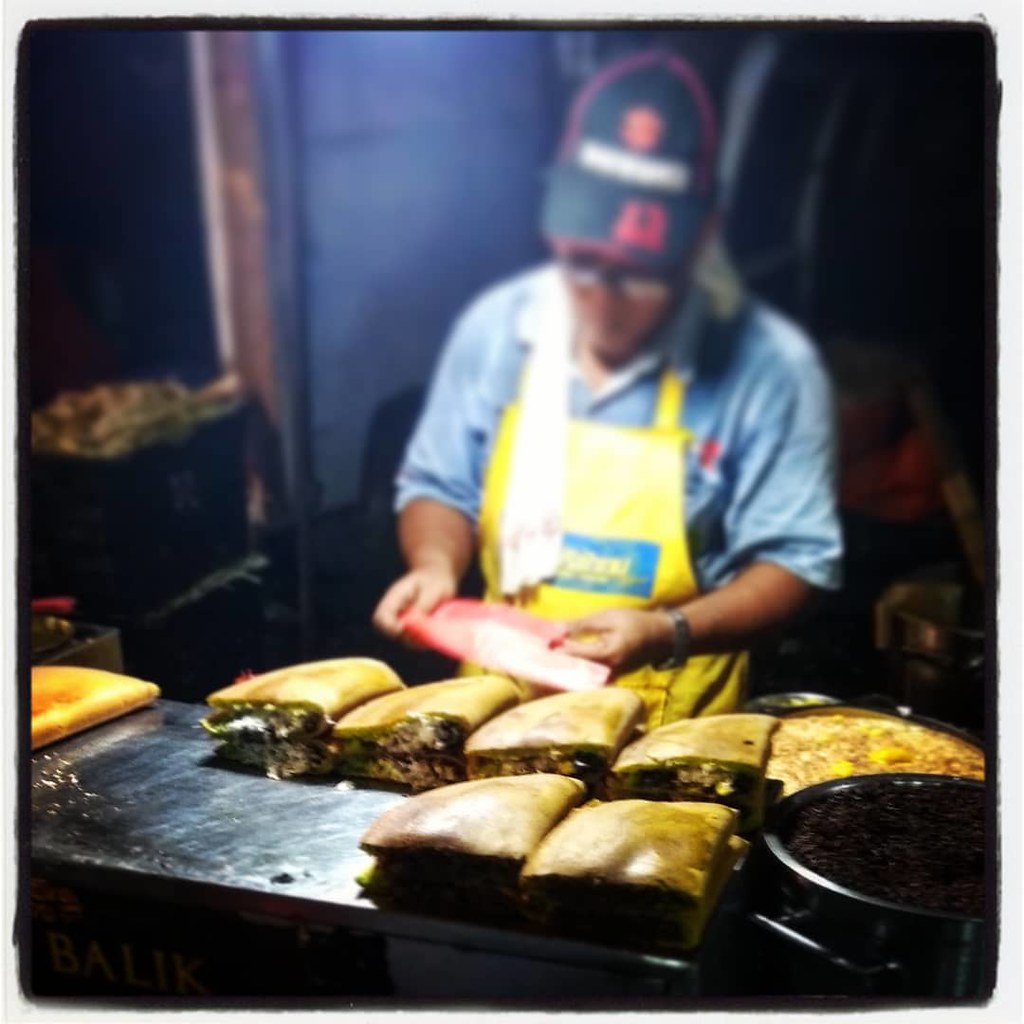
The most joyful, unmissable part of Ramadan for non-Muslims. From mid-afternoon (around 3–4pm) through to iftar (breaking of fast at sunset, around 7:15–7:30pm), Bazar Ramadan markets appear throughout KL — often in car parks, along roadsides, and in open spaces near mosques. These markets sell an extraordinary range of traditional Malay foods specifically for breaking the fast.
What you’ll find at a Bazar Ramadan: bubur lambuk (Ramadan porridge — a thick spiced rice porridge distributed free by mosques), apam balik (stuffed pancakes), various rice dishes (nasi kerabu, nasi dagang), kuih (traditional Malay cakes and sweets), ayam percik (grilled chicken in spiced coconut milk), murtabak, solok lada (stuffed chillies), ABC (shaved ice dessert), and dozens more. Each stall typically sells a handful of items and competition is fierce — popular stalls sell out before 5pm.
The Bazar Ramadan near Masjid India in KL is one of the largest and most atmospheric. You’ll also find good bazaars in Wangsa Maju, Chow Kit, Kampung Baru, and in virtually every residential area with a significant Malay Muslim population.
As a non-Muslim, you’re entirely welcome to browse and buy from Bazar Ramadan stalls. Bring cash (most stalls are cash only), go early (4–5pm for best selection), and be prepared for crowds. It’s a genuinely wonderful experience.
Restaurant Changes
Malay-Muslim restaurants typically operate differently during Ramadan:
Many Malay stalls and restaurants don’t serve food during daylight hours — some close entirely during fasting hours, while others have curtains drawn or reduced service. This is most pronounced in predominantly Malay areas and is less common in tourist areas and malls.
Chinese and Indian restaurants, mamak stalls (Indian-Muslim), and international restaurants continue operating normally throughout the day. KL’s food scene doesn’t grind to a halt — you just may not be able to get nasi campur from your local Malay stall until after iftar.
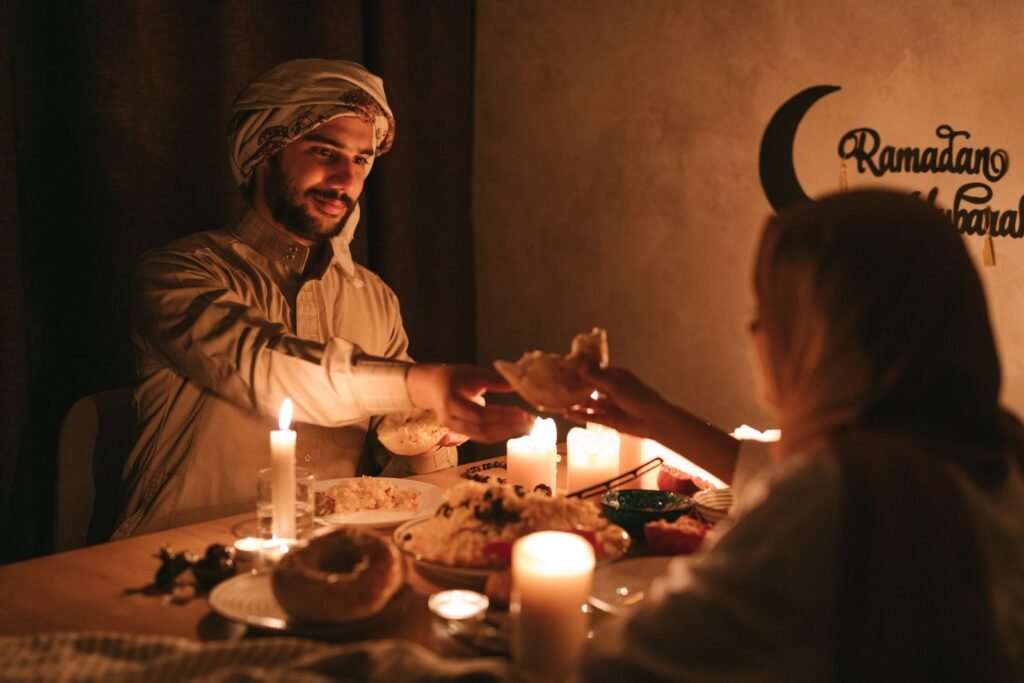
After iftar (sunset), everything erupts back into full life. The evenings during Ramadan are lively and social — families and friends gather to eat, malls are full, and the city has an unusually vibrant nighttime energy.
The Work Schedule
Many Malaysian businesses and government offices operate shorter hours during Ramadan — typically starting and ending slightly earlier to allow Muslim employees to break their fast and attend evening prayers (Tarawih prayers at the mosque). Meetings with Malay Muslim colleagues in the late afternoon may be declined or rescheduled around iftar time.
Ettiquette for Non-Muslims During Ramadan
Malaysia is an inclusive country and non-Muslims are not expected to fast or dramatically change their behaviour. But some courtesies are appreciated:
Eating and drinking in public in predominantly Muslim areas (near mosques, in conservative neighbourhoods) is technically permissible for non-Muslims but considered impolite. In malls, office cafeterias, and tourist areas, eating and drinking as normal is entirely fine. Use common sense — don’t eat a sandwich in front of colleagues who are fasting if you can avoid it.
Dress modestly near mosques and in more conservative areas, particularly during Ramadan when mosque attendance increases significantly.
Greet your Muslim friends and colleagues with “Ramadan Kareem” (Ramadan Generous) or “Ramadan Mubarak” (Blessed Ramadan) — it’s appreciated and shows cultural awareness.
Don’t offer food or drink to fasting colleagues — you’ll know who is fasting and it’s simply considerate to not eat demonstratively around them.
Hari Raya Aidilfitri: The Celebration That Follows
The end of Ramadan is marked by Hari Raya Aidilfitri — the major Islamic celebration and one of Malaysia’s most important public holidays. Two official public holidays mark the start of Hari Raya (dates vary year to year with the moon sighting).
The Hari Raya period transforms KL as many Malay Malaysians return to their hometowns (kampung) for family celebrations, making the city noticeably quieter. Shopping malls are packed in the weeks before Raya with people buying new clothes, cookies, and gifts. Green and gold decorations fill the malls.
Open houses (rumah terbuka) during Hari Raya: Malay families traditionally open their homes to friends, neighbours, and colleagues of all races and religions. If you’re invited to a Malay friend’s open house, accept enthusiastically. You’ll be welcomed warmly, fed extraordinary amounts of Malay food (rendang, ketupat, lemang, kuih, and more), and experience one of the warmest traditions in Malaysian culture.
Sahur: The Pre-Dawn Meal
Sahur is the pre-dawn meal Muslims eat before the fast begins at Fajr (before sunrise, typically 5:30–6am). Some mamak stalls and restaurants operate through the night during Ramadan specifically to serve sahur — meaning 24-hour mamaks are even more active than usual. If you find yourself awake at 4am and hungry, Ramadan is actually a great time for it.
Experiencing Ramadan as a Positive
My honest take: Ramadan makes KL more interesting to live in, not less. The Bazar Ramadan food is some of the best seasonal eating of the year. The communal spirit is tangible. The evenings during the fasting month have an energy that doesn’t exist at other times of year. If you’re arriving in KL during Ramadan, lean into the experience rather than treating it as an inconvenience — it’s one of the things that makes living in a genuinely multicultural Muslim-majority country so rewarding.
Make the Most of KL
Planning to visit KL during Ramadan or Hari Raya? Book your hotel well ahead — Hari Raya is one of the peak travel periods and accommodation in KL and popular destinations fills up fast. Agoda has the best coverage of Malaysian hotels.
Whether you’re in KL for Ramadan or settling in long-term, NordVPN keeps you connected to UK content and secures your connection on Malaysian public wifi — essential for any British expat in Malaysia.
Bazar Ramadan stalls are cash only — withdraw ringgit at any ATM with your Wise card at the real exchange rate, or use your Wise card wherever card terminals are available across KL.
Some links are affiliate links. I earn a small commission if you sign up at no extra cost to you. I only recommend things I actually use.