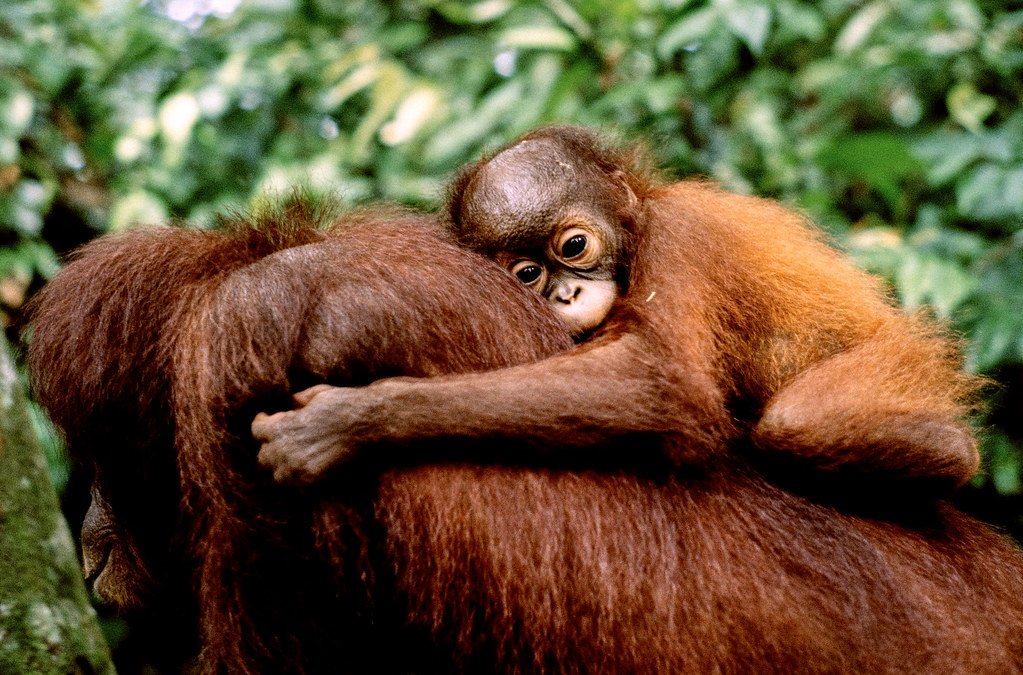
Malaysia has some of the oldest rainforest on earth — older than the Amazon, significantly more biodiverse than most tropical regions, and spread across a country that’s accessible, safe, and relatively easy to navigate. For expats in KL, the national parks are close enough for weekend trips and varied enough to justify exploring several over the course of a year or two. This guide covers the main parks you should know about.
Why Malaysian National Parks Are Worth Your Time
The Sundaland region — which includes Peninsular Malaysia, Borneo, and the surrounding islands — is one of the world’s 17 megadiverse regions. The forests here host orangutans, Malayan tigers, sun bears, pygmy elephants, proboscis monkeys, clouded leopards, hornbills, pitcher plants, and thousands of species found nowhere else on earth. Some of these you’ll genuinely see with reasonable effort. Others require luck and specialised guides. All of them exist in parks that are 1–3 hours from KL city centre.
Malaysian national parks are under-visited compared to the country’s beaches and cities, which means they remain relatively wild. Infrastructure is basic in most parks — that’s a feature, not a bug.
Taman Negara
Malaysia’s oldest and largest national park, covering 4,343 square kilometres of rainforest in Pahang. Taman Negara has been continuously forested for an estimated 130 million years — it predates the dinosaurs. That fact alone is worth sitting with for a moment.
The park is accessible from KL via a 3.5-hour bus to Jerantut followed by a 2-hour boat journey upstream to Kuala Tahan — the main gateway village. Alternatively, you can drive to Kuala Tahan directly in about 3–4 hours. The journey by boat is the better experience: the Sungai Tembeling narrows as you go upstream, the forest closes in on both sides, and you arrive with your expectations properly calibrated.
Activities in Taman Negara include jungle trekking (from short 2-hour walks to multi-day expeditions to the summit of Gunung Tahan — Peninsular Malaysia’s highest peak at 2,187m), canopy walkways (one of the world’s longest suspended walkways through rainforest canopy), night safaris, fishing, river tubing, and visits to Batek Orang Asli communities. Wildlife spotting is possible but not guaranteed — this is proper jungle, not a zoo. Go with a guide for the best chances of seeing anything significant.
The park has a range of accommodation from basic forest huts to the Mutiara Taman Negara resort. Book ahead for weekends and school holidays.
Endau-Rompin National Park
Straddling the Johor-Pahang border, Endau-Rompin is less visited than Taman Negara but arguably wilder. Access is more difficult — you need a 4WD vehicle or to arrange a package with one of the operators at the park entrances — but the reward is a rainforest experience with very few other tourists. The park is known for its waterfalls (Upeh Guling falls involves a beautiful 2-hour trek) and for wildlife that includes gaur (wild cattle), tapir, and tiger tracks, though sightings of the latter are extremely rare.
Penang National Park
Small but accessible — only 2,562 hectares, making it one of the world’s smallest national parks. Located at the northwestern tip of Penang island, accessible by boat from Teluk Bahang. The park encompasses mangrove forest, beach, jungle, and the only turtle sanctuary in Penang. The main attraction is the walk (or boat) to Pantai Kerachut, where giant leatherback turtles occasionally nest, and to Meromictic Lake — one of only a handful of lakes in the world where salt and fresh water layers remain permanently separate. Good for a half-day from Georgetown.
Kinabalu Park (Sabah, Borneo)
The first Malaysian site to receive UNESCO World Heritage status, Kinabalu Park is built around Mount Kinabalu — at 4,095m, the highest mountain between the Himalayas and New Guinea. The summit is achievable by non-technical climbers in good physical condition but requires 2 days (with a night at Laban Rata hut), advance permit booking (permits are heavily restricted and sell out months in advance), and local guides. The park’s lower elevations — the botanical gardens, the Mesilau trail, the Kinabalu Nature Resort area — are accessible without permits and are extraordinarily biodiverse, including the famous Rafflesia (world’s largest flower) and dozens of pitcher plant species found nowhere else.
Kinabalu Park requires flying to Kota Kinabalu from KL — about 2.5 hours — and is best done as a dedicated Sabah trip rather than a quick weekend.
Mulu National Park (Sarawak, Borneo)
UNESCO World Heritage Site number two, and one of the most extraordinary natural environments on earth. The Gunung Mulu park contains the Sarawak Chamber — the world’s largest cave chamber — the Deer Cave with its nightly exodus of millions of bats (one of the great wildlife spectacles anywhere), the Clearwater Cave system (one of the world’s longest), and the Pinnacles — 45-metre limestone spikes emerging from the jungle canopy. The park is only accessible by a short flight from Miri or by longboat, which limits visitor numbers and keeps the experience unspoiled. Budget at least 3 nights to do it justice.
Bako National Park (Sarawak, Borneo)
A much more accessible introduction to Borneo’s wildlife than Mulu. Bako is 37km from Kuching city and accessible by road + boat (about an hour in total). Despite its small size, Bako has extraordinary wildlife density — proboscis monkeys are virtually guaranteed, and the park also has bearded pigs, silver leaf monkeys, monitor lizards, flying lemurs, and possibly the highest concentration of pitcher plant species in the world. Stay overnight at the park accommodation for the best wildlife experience and to see the animals moving at dawn and dusk.
Tips for Visiting Malaysian National Parks
Get a Guide
This is Malaysia’s jungle, not a European nature walk. Guides are not just useful — they’re essential for any serious wildlife spotting, for navigating unmarked trails, and for understanding what you’re looking at when you find it. For Taman Negara especially, licensed local guides significantly increase your chances of memorable wildlife encounters.
Book Accommodation Early
Park accommodation in Taman Negara and Kinabalu in particular fills up weeks in advance during school holidays and long weekends. The permit system for Kinabalu summit is booked months ahead. Plan and book before you travel.
Physical Preparation
Jungle trekking in Malaysian heat and humidity is genuinely demanding. A trail that looks short on a map may involve river crossings, steep root-covered inclines, and high humidity that make it harder than it looks. Start with shorter trails to calibrate your fitness and work up.
What to Bring
Long sleeves and trousers for evening (mosquitoes and leeches), good hiking shoes or boots, leech socks, DEET insect repellent, a dry bag for electronics, a headtorch, and enough water. Park shops are basic — bring supplies from the city.
🌳 Plan Your Malaysia Nature Trip
SafetyWing
Travel health insurance for national park trips. Covers medical evacuation from remote areas — worth having in the jungle.
Get SafetyWingAgoda
Book hotels near park gateways — Jerantut for Taman Negara, Kota Kinabalu for Kinabalu Park.
Find HotelsWise
Pay park fees and guides in cash ringgit withdrawn via Wise for the real exchange rate.
Open WiseSome links are affiliate links. I earn a small commission if you sign up at no extra cost to you. I only recommend things I actually use.