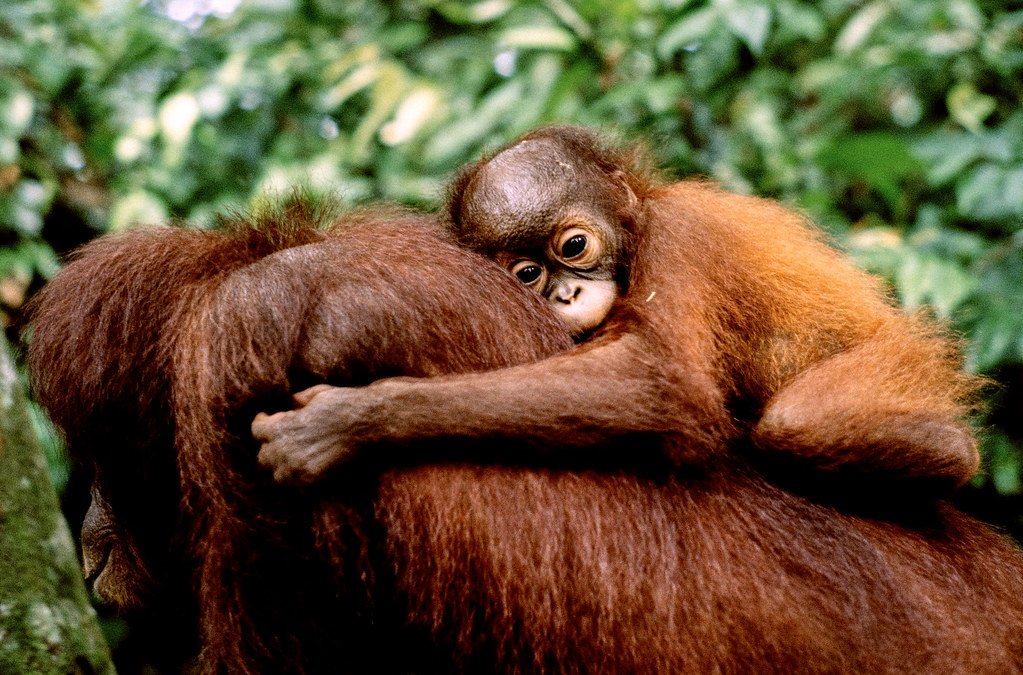
Malaysia sits within one of the world’s most biodiverse regions. The Malay Peninsula and Malaysian Borneo (Sabah and Sarawak) together host an extraordinary range of wildlife — much of it found nowhere else on Earth. Orangutans, proboscis monkeys, pygmy elephants, sun bears, hornbills, fireflies, whale sharks, sea turtles. For visitors coming from Europe, the sheer density of remarkable species within reach of a relatively accessible country is genuinely astonishing.
This guide focuses on what’s accessible from Peninsular Malaysia and KL specifically — the wildlife experiences you can reach from KL on a day trip, weekend, or short excursion. A full guide to Borneo wildlife would need its own separate article (and Sabah in particular deserves one).
Wildlife Near Kuala Lumpur: Day Trips and Short Excursions
Fireflies at Kuala Selangor
The firefly river cruise at Kuala Selangor — about 70km northwest of KL — is one of the most magical wildlife experiences in Peninsular Malaysia. At dusk, hundreds of thousands of synchronized fireflies light up the mangrove trees along the Selangor River, creating an effect that looks like Christmas lights on a natural Christmas tree. The synchronisation is uniquely a Southeast Asian firefly phenomenon — European fireflies don’t do this.
How it works: small boats take 6–8 passengers along the river at night, pausing at the firefly trees. No flash photography — the trees glow naturally, unaided. The experience is genuinely extraordinary, particularly for anyone who has never seen fireflies before.
Best visited on moonless nights (new moon period) when the fireflies show most dramatically against a dark sky. The experience is diminished in bright moonlight.
Tour operators from KL run evening trips (departing around 4pm, returning by 10pm) that combine the firefly cruise with a stop for seafood dinner at the Kuala Selangor seafood restaurants along the river. Cost: RM80–150 per person including transport and dinner. Alternatively, drive yourself and take the boat cruise independently (RM25–40/person).
Batu Caves Monkeys
The long-tailed macaques at Batu Caves are habituated to humans and surprisingly bold. While you’re climbing the steps to the cave temple, you’ll have close encounters whether you want them or not. Don’t carry food visibly — the macaques are accomplished thieves and will take anything from an open bag. Photographically, the macaques are excellent subjects: close, uninhibited, and the dramatic limestone backdrop makes for striking images.
Taman Negara (2–3 days)
Malaysia’s oldest national park, about 250km north of KL, is one of the world’s oldest tropical rainforests — estimated at 130 million years old, predating the Amazon. Accessible by bus to Jerantut and then boat upriver, or by private car.
What you can see: the forest itself is the main attraction — the trees, the density, the sounds. Wildlife spotting is patient work here, not a guaranteed spectacle. Proboscis monkeys, langurs, hornbills, and if you’re extremely lucky and go on night hikes, big cats and tapirs are present but rarely seen. The canopy walkway (one of the world’s longest at over 400 metres) gives a different perspective on the forest from above.
Basing yourself at Kuala Tahan village (accessible by boat from Kuala Tembeling jetty) for 2–3 nights gives time for jungle treks, night walks, river activities, and a real sense of the forest. More intense jungle expeditions into the deeper park areas require guides and are available through Taman Negara operators.
Fraser’s Hill (Bukit Fraser)
A cool hill station 100km north of KL at 1,200 metres elevation. Historically a British colonial retreat, now a popular weekend escape for KL residents. The birdwatching at Fraser’s Hill is among the best in Peninsular Malaysia — over 250 species recorded, including many highland endemics. The annual Fraser’s Hill International Bird Race attracts serious birdwatchers from across Asia.
Even without a birdwatching focus, Fraser’s Hill is beautiful: misty forest, colonial bungalows, temperatures of 17–22°C (a revelation after KL’s heat), walking trails, and clear mountain streams. A weekend here resets completely after weeks of city life.
Firefly Park Kampung Kuantan (Firefly Alternative)
Another firefly viewing location, this one at Kampung Kuantan about 10km from Kuala Selangor. The same synchronised firefly experience, sometimes with fewer tour group crowds than the main Kuala Selangor site. Worth checking both options when planning.
Slightly Further: The Perhentian Islands and Sea Life
The Perhentian Islands, about 8 hours from KL (flight to Kota Bharu or coach, then boat), have some of the best snorkelling and diving in Peninsular Malaysia. Green and hawksbill sea turtles are reliably seen — they nest on the beaches and feed in the shallows. Nurse sharks, reef sharks, and abundant reef fish. The islands are only accessible April–October (closed to visitors during the northeast monsoon season).
Worth the trip if you’re spending at least a week on the islands — the journey time means a 2-night visit doesn’t fully justify the travel. Plan for 4–5 nights minimum.
Wildlife in Malaysian Borneo: Why Sabah Is Special
While this guide is primarily Peninsular Malaysia, it’s worth acknowledging that Sabah (and to a lesser extent Sarawak) offers wildlife experiences that simply aren’t available on the peninsula. Kinabatangan River: proboscis monkeys, pygmy elephants, crocodiles, and endemic Borneo birds in one accessible river cruise. Sepilok Orangutan Rehabilitation Centre: habituated orangutans at close range at feeding platforms. Turtle Island: nesting green and hawksbill turtles.
If you have flexibility to add a few days to a Malaysia trip, a Kota Kinabalu or Sandakan flight from KL takes 2–2.5 hours and opens up Sabah’s extraordinary wildlife.
Practical Wildlife Viewing Tips
Early mornings. Wildlife activity in tropical forests peaks in the first 2 hours after dawn. If you’re going on a jungle walk or river cruise hoping for wildlife sightings, the 6–8am window dramatically outperforms midday.
Night walks. Many Malaysian animals are nocturnal. A night walk in Taman Negara or Fraser’s Hill with a guide gives you a completely different set of wildlife — civets, slow lorises, large insects, frogs, and the occasional larger mammal.
Dry season vs wet season. November–January is the northeast monsoon season on the east coast — the Perhentians close, Taman Negara can flood. March–September is generally better for east coast sea and beach wildlife. The peninsula’s west coast (including KL, Kuala Selangor) is drier and more accessible year-round.
Go with a guide for the interior. Dense forest navigation is not for solo exploration. Licensed jungle guides know where to look, can identify what you’re seeing, and ensure safety in areas where getting lost has serious consequences.
Plan Your Malaysia Wildlife Trip
Book accommodation near Taman Negara, Fraser’s Hill, or the Perhentians. Booking.com covers the widest range of lodges and guesthouses in Malaysia’s nature areas.
Find Lodges →Compare Agoda for accommodation near Malaysia’s wildlife destinations — often strong on smaller guesthouses and jungle lodges throughout Peninsular Malaysia.
Search Agoda →Health insurance that covers you for jungle treks, snorkelling, and outdoor activities throughout Malaysia. Monthly subscription, cancel any time.
Get SafetyWing →Some links are affiliate links. I earn a small commission if you sign up at no extra cost to you. I only recommend things I actually use.