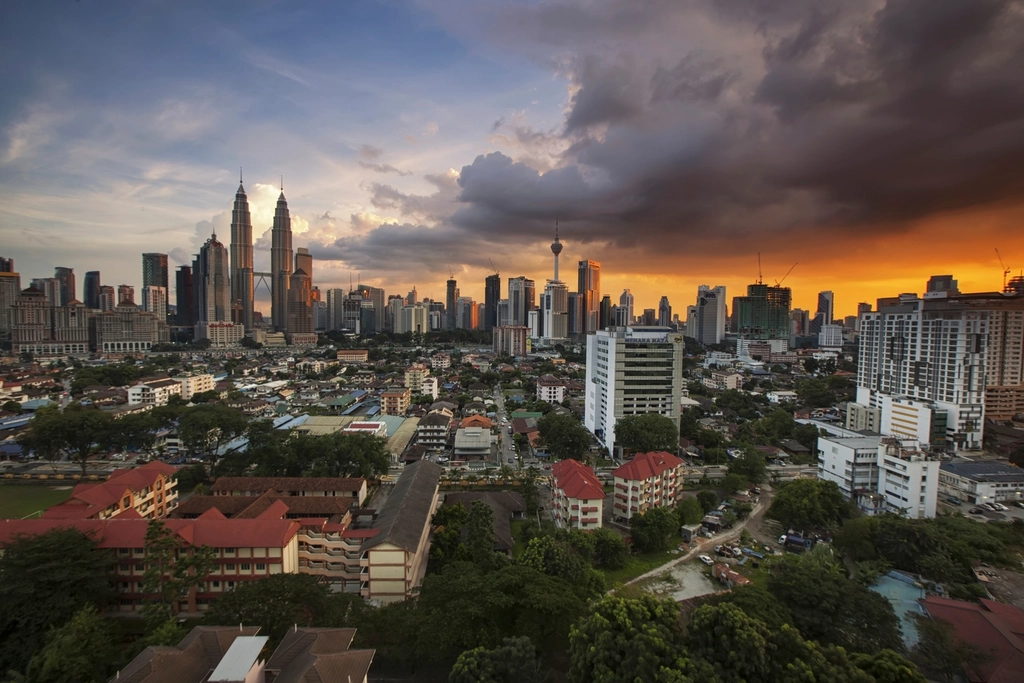
Malaysia is one of the most accessible budget travel destinations in the world for the simple reason that the cheap options are also the best options. The street food at RM5 is better than the restaurant meal at RM50. The budget guest house is in a more interesting neighbourhood than the five-star hotel. The local bus goes somewhere the private car service doesn’t stop. This guide is about travelling Malaysia well on very little money — and it’s also secretly a guide to travelling Malaysia better.
How Cheap Can Malaysia Be?
Malaysia can be genuinely very cheap for backpackers, or moderately priced for people who want a bit of comfort. The floor is very low. The ceiling for luxury spending is also high. The gap between them is larger than almost any country I can think of.
A backpacker spending RM80–150/day can eat extremely well (hawker food, local restaurants), sleep comfortably (budget guesthouse or hostel dorm), and move around effectively using public transport. A mid-range traveller spending RM200–400/day can have a really excellent experience — private rooms at budget hotels, some nicer restaurants, occasional taxis, one or two paid activities per day.
For comparison to neighbouring countries: Malaysia is slightly more expensive than Cambodia and Vietnam, comparable to Thailand, and significantly cheaper than Singapore.
Getting to Malaysia Cheap
AirAsia is Malaysia’s budget carrier and the dominant low-cost carrier across Southeast Asia. Its hub is Kuala Lumpur International Airport (KLIA2 terminal). AirAsia regularly runs promotions with seats as cheap as RM9–99 within the region, though realistically for international routes from the UK you’re looking at £200–500 return depending on how far in advance you book.
From the UK, the cheapest route to KL is typically with Qatar Airways, Turkish Airlines, or China Southern — KL is a long haul from the UK (11–14 hours depending on routing) and cheap fares often involve a connection. The cheapest fares are usually found 3–6 months ahead and avoid peak travel periods (Chinese New Year, school holidays).
From within Asia, AirAsia dominates regional routes from Bangkok, Singapore, Bali, Hanoi, and dozens of other cities. Budget regional fares of RM50–200 are common.
Budget Accommodation in Malaysia
Hostels
KL has excellent hostels in Georgetown, KLCC, Chinatown, and Bukit Bintang areas. Dorm beds run RM30–60/night. Private rooms in budget guesthouses RM80–150. Quality is generally good — Malaysian hostels are clean, well-maintained, and often have good common areas.
The backpacker district in Chinatown (Jalan Petaling and surrounding streets) is the traditional budget accommodation hub — convenient for transport to Batu Caves, easy access to KL Sentral for trains elsewhere, and a concentration of cheap food options walking distance.
Budget Hotels
Malaysian budget hotels (no frills, air conditioning, private bathroom) run RM60–120/night in KL, less in smaller cities. Tune Hotels (the budget arm of AirAsia’s founder) are reliable and widely available — basic but clean, often well-located. Cititel and similar chains provide mid-range comfort at the lower end of mid-range pricing.
Guesthouses Outside KL
In Penang’s Georgetown, Cameron Highlands, Malacca, and other popular tourist areas, guesthouses with heritage character — shophouse conversions, old colonial properties — run RM80–200/night for private rooms and offer far more atmosphere than international budget chains. The accommodation in Georgetown’s UNESCO heritage zone in particular is an experience worth paying a little more for.
Eating Cheap: The Best Money-Saving Strategy in Malaysia
Food is where Malaysia’s budget advantage is most extreme. The cheapest meals — hawker stalls, kopitiams, mamak stalls — are also genuinely the best food in the country. There’s no trade-off between budget and quality at the food level. In fact, eating at a tourist restaurant is typically both more expensive and worse than eating at a local hawker stall.
Hawker stall prices:
- Nasi lemak: RM3–8
- Char kway teow: RM7–12
- Roti canai: RM1.50–3
- Laksa: RM7–12
- Wantan mee: RM7–10
- Teh tarik: RM2–3
Three meals a day at hawker stalls: RM25–40. This is genuinely excellent food — not a hardship eating experience. Budget travellers who eat primarily at hawker stalls eat better in Malaysia than most people eat at home.
Mamak stalls for late nights: 24 hours, cheap, consistently decent. Roti canai and teh tarik at 1am for RM5–8 total. Essential.
Water: Buy 1.5L bottles of mineral water from convenience stores (RM1–2) rather than at restaurants where the same water is RM3–5. This small thing saves money on every meal.
Free and Cheap Things to Do
A surprising amount of Malaysia’s best experiences are free or very cheap:
- KLCC Park: Free. Walking around the Petronas Towers at night — spectacular, no ticket needed.
- Batu Caves: Free to enter the main cave. The dramatic staircase and golden statue are fully visible without paying anything.
- Petaling Street market: Free to walk through. Street food and market stalls if you want to buy.
- Merdeka Square area: Free to explore the colonial heritage buildings, the world’s tallest flagpole, the Royal Selangor Club cricket pitch.
- National Museum (Muzium Negara): RM5 adult — extremely cheap for a half-day of Malaysian history.
- Islamic Arts Museum: RM14 — one of the best museums in Southeast Asia, still very cheap.
- Night markets (pasar malam): Free to browse, food and goods at market prices.
- Penang’s Georgetown street art: All free. The murals and installation art scattered through Georgetown’s streets cost nothing to explore.
Getting Around Malaysia Cheap
Within KL
The MRT and LRT (rail network) is cheap: RM1–5 per journey depending on distance. Touch N Go card loaded with credit is the easiest way to use it. This covers most of KL’s main tourist and residential areas.
RapidKL buses extend the rail network’s coverage and are even cheaper (RM1–2 per journey). The Hop-On Hop-Off tourist bus (RM50/day unlimited) covers the main tourist sites if you’re staying near central KL for a day of sightseeing.
Grab is affordable by UK standards — an RM10–20 Grab covers most short journeys in KL. Not as cheap as the rail network but significantly more convenient for off-route destinations.
Intercity
KTM ETS trains: Fast rail between KL (KL Sentral) and Penang (Butterworth station). RM40–80 depending on class and timing. Comfortable, reliable.
Coaches: Malaysia has an excellent long-distance coach network from TBS (Terminal Bersepadu Selatan) in KL. Coaches to Penang, Malacca, Cameron Highlands, and other destinations run RM15–50 depending on distance and class. Multiple operators (Transnasional, Aeroline, Konsortium) with different comfort levels.
Budget flights: AirAsia from KLIA2 reaches Kota Kinabalu (Sabah) for RM100–300 return — the most cost-effective way to reach Malaysian Borneo.
A Sample Budget Day in KL
| Activity | Cost |
|---|---|
| Hostel dorm bed | RM40 |
| Breakfast: Nasi lemak + teh tarik | RM7 |
| MRT to KLCC + back | RM6 |
| KLCC Park walk (free) | RM0 |
| Lunch: Wantan mee | RM9 |
| Batu Caves (MRT + entrance free) | RM4 |
| Dinner: Char kway teow + fresh juice | RM14 |
| Evening wander Petaling Street (free) | RM0 |
| Total | RM80 |
RM80 for a full day in KL — accommodation, three good meals, transport, sightseeing. That’s approximately £14 at current exchange rates. And the food at that budget level in Malaysia is genuinely excellent.
Useful Tools for Budget Travel in Malaysia
Get the real exchange rate when spending in MYR. On a tight budget, the difference between Wise and your bank card’s exchange rate adds up over a trip.
Agoda has the widest selection of budget accommodation in Malaysia — from RM40/night dorms to RM80/night private rooms in good locations.
Budget travel insurance from RM40/month. Covers medical emergencies across Malaysia and internationally. Essential even on a tight budget.
Some links are affiliate links. I earn a small commission if you sign up at no extra cost to you. I only recommend things I actually use.
Related Reading
And for anyone staying put a while: how we got four months of electricity for £70.