Living in KL gives you something that most people don’t realise: one of the best access points to Borneo on the planet. Malaysian Borneo — split into the states of Sabah and Sarawak — is just a 2–3 hour flight from KL, and the combination of ancient rainforest, wildlife you genuinely won’t see anywhere else, and a completely different culture from Peninsular Malaysia makes it one of the most worthwhile trips you can do from your KL base. I’ve been to both states and this is what you need to know.
Prices checked August 2026. Everything here is what I actually paid or was actually quoted, in ringgit, in Kuala Lumpur. Malaysia moves fast — check before you commit to anything.
Malaysian Borneo: Sabah vs Sarawak
Malaysian Borneo consists of two states: Sabah in the north and Sarawak in the southwest. They share Borneo island with the Indonesian states of Kalimantan and the tiny nation of Brunei. Both are extraordinary — but they’re different in character.
Sabah is the wildlife and adventure destination. Mount Kinabalu (4,095m — the highest peak in Southeast Asia), orangutans at Sepilok, pygmy elephants along the Kinabatangan River, diving at Sipadan (one of the world’s best dive sites), and white sandy islands. If you’re drawn to wildlife and adventure, Sabah is your destination.
Sarawak is the cultural and nature destination. Kuching (one of Southeast Asia’s most underrated cities), the Iban longhouses of the Skrang and Lemanak rivers, the Mulu Caves (a UNESCO World Heritage Site and one of the world’s largest cave systems), and the Bako National Park. If you’re drawn to culture, indigenous heritage, and dramatic landscapes, Sarawak pulls you in.
If you have time, do both — but choose one for a first trip.
Getting to Borneo from KL
Flights from KL to Borneo are frequent, cheap, and short. AirAsia, Malaysia Airlines, and Firefly all operate the route.
KL (KLIA2) to Kota Kinabalu (Sabah): Around 2.5 hours. AirAsia operates multiple daily flights. Fares from RM80–200 one way depending on how far in advance you book. KK (as Kota Kinabalu is known) is Sabah’s capital and your gateway city.
KL (KLIA2 or KLIA) to Kuching (Sarawak): About 1 hour 50 minutes. Kuching is one of the most pleasant cities I’ve visited in Southeast Asia — clean, walkable, excellent food, and friendly. Easy base for Sarawak exploration.
Book flights 2–4 weeks ahead for good fares. School holiday periods see price spikes. AirAsia’s app has fare sales regularly.
Sabah Highlights: What to Do
Orangutans at Sepilok
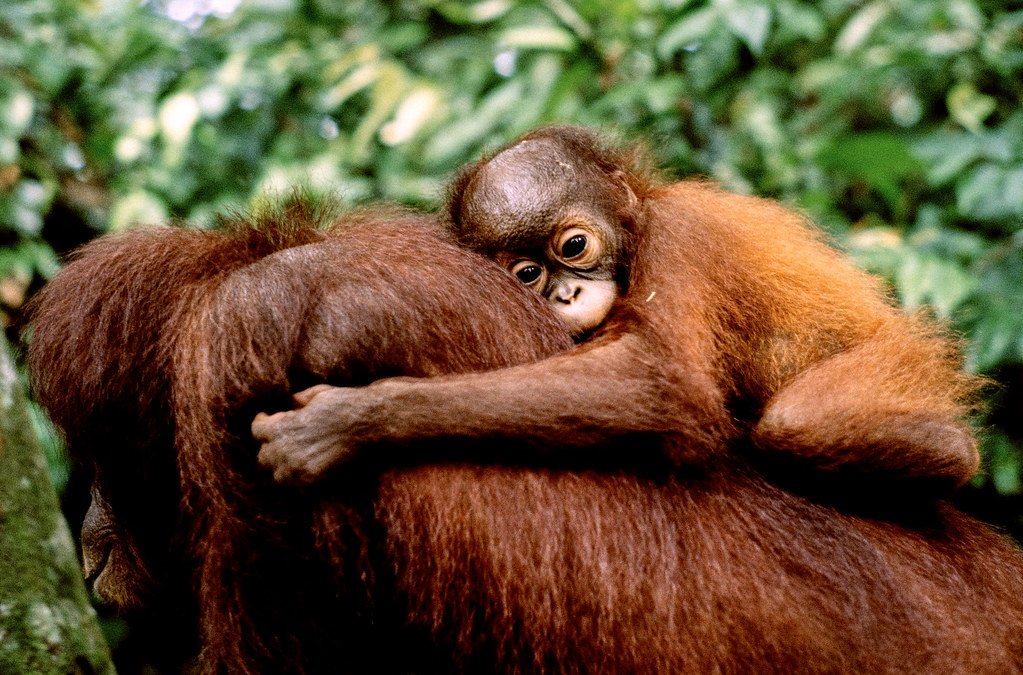
Sepilok Orangutan Rehabilitation Centre near Sandakan is one of the most reliable places in the world to see wild orangutans up close. The centre rehabilitates orphaned and rescued orangutans to return to the wild, with viewing platforms where you can watch feeding sessions. Morning feeding sessions (around 10am) are best. This is genuinely moving and remarkable. RM30 entry for foreigners.
Kinabatangan River Wildlife Cruise
The Kinabatangan River in east Sabah runs through one of the richest wildlife corridors in Asia. On river cruises from lodges along the river, you can see proboscis monkeys, pygmy elephants, crocodiles, hornbills, and if you’re lucky, orangutans in the trees. Two to three days staying at a river lodge is the way to do it — the wildlife sightings at dawn and dusk are extraordinary. Lodge packages from RM300–600 per person per night including meals and cruises.
Mount Kinabalu
Malaysia’s highest peak is a challenging but non-technical climb that thousands of people complete each year. The two-day summit climb requires booking through Sutera Sanctuary Lodges (the only authorised operator) well in advance — slots sell out months ahead. Day one: climb to Laban Rata altitude hut (3,270m). Day two: pre-dawn summit push, then descend. The sunrise from the summit above the clouds is genuinely extraordinary. RM400–600+ for the permit, guide, and accommodation package.
Sipadan Diving
Sipadan Island off the east coast of Sabah is consistently ranked among the world’s top dive sites. Barracuda tornados, hammerhead sharks, hawksbill turtles, and wall dives dropping into the abyss. Access is strictly controlled — only 120 divers per day — and permits sell out months in advance. You must stay on one of the nearby islands (Mabul or Kapalai) and dive with a licensed operator. An essential pilgrimage for divers.
Sarawak Highlights: What to Do
Kuching City
Kuching is genuinely one of the best cities in Malaysia. The old town along the Sarawak River has beautifully preserved colonial-era shophouses, excellent café culture, and a food scene that rivals KL for quality (kolo mee, laksa Sarawak, and Sarawak layer cake are essential). The Sunday Market (Pasar Minggu) runs from Saturday night into Sunday morning and is one of the best night markets I’ve experienced. Spend at least two full days in Kuching itself.
Mulu Caves (Gunung Mulu National Park)
A UNESCO World Heritage Site in northern Sarawak, Mulu is home to some of the world’s largest cave systems. The Deer Cave contains one of the largest cave passages on Earth; the Sarawak Chamber is the world’s largest cave chamber by area. Every evening at dusk, millions of bats exit the Deer Cave in a swirling column — one of the great natural spectacles of Asia. Getting there requires a short flight from Kuching or Miri. Worth the effort.
Iban Longhouse Experience
The Iban are Sarawak’s largest indigenous group, traditionally living in communal longhouses along the rivers. Organised visits to Iban longhouses on the Lemanak, Skrang, or Batang Ai rivers give you a genuine window into a culture and way of life that has evolved over centuries. Traditional dance, tuak (rice wine), and sleeping on the ruai (communal gallery) are part of the experience. Go with a reputable licensed guide from Kuching — RM300–500 per person for a 2-day visit including transport, accommodation, and meals.
Bako National Park
Just 37km from Kuching, Bako is Sarawak’s oldest national park — a peninsula of tropical rainforest with dramatic sea stack coastline. Best place to see proboscis monkeys in Sarawak, plus wild boar, bearded pigs, silver leaf monkeys, and pitcher plants. Day trip or overnight stay. RM20 park entry for foreigners; boat transfer from Kampung Bako village required.
Practical Tips for Borneo from KL
How long do you need? Minimum 4–5 days for a meaningful trip to either state. A week is better. Two weeks covers both states with time to breathe.
East Sabah (Sandakan, Kinabatangan, Semporna) requires internal flights or long bus journeys from Kota Kinabalu — factor in transfer time. KK to Sandakan is 6 hours by bus or 45 minutes by plane.
Sarawak is more compact around Kuching. Day trips reach Bako and some longhouses; Mulu requires a flight.
Book wildlife lodges and Sipadan dive permits well in advance — this is not a destination where you can show up and improvise for the best experiences.
Currency: East Malaysian ringgit is the same currency as Peninsular Malaysia. No currency change required. Cards increasingly accepted at hotels; carry cash for parks, markets, and village experiences.
Plan Your Borneo Adventure
Book your Kuching or Kota Kinabalu hotels on Booking.com. Both cities have excellent mid-range options; Kuching in particular has great boutique hotels in the old town that book up fast in peak season.
Book Hotels →Borneo wildlife encounters — jungle treks, river cruises, mountain climbs — are exactly the kind of adventures you want proper travel health insurance for. SafetyWing covers Southeast Asia including Malaysian Borneo.
Get SafetyWing →Stay connected securely from jungle lodges and remote Borneo accommodation — NordVPN keeps your connections private on any wifi and lets you access UK content wherever you are in Malaysia.
Get NordVPN →Some links are affiliate links. I earn a small commission if you sign up at no extra cost to you. I only recommend things I actually use.