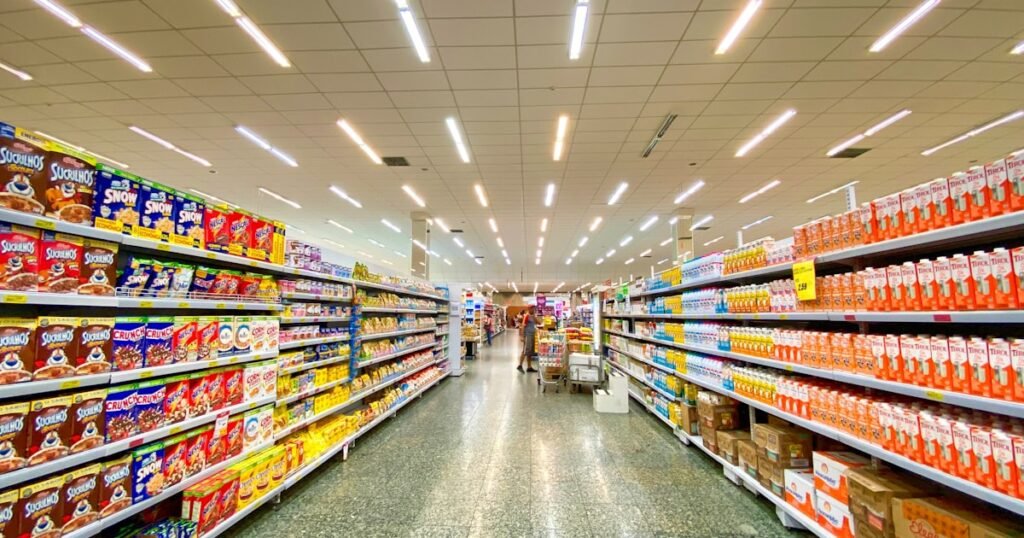
Where you buy your food in KL has a significant impact on both your weekly spend and how well you eat. Do it right and you’ll be eating exceptionally well for very little money. Do it wrong and you’ll find yourself spending UK prices on mediocre imported products when the same amount of money, spent differently, would have bought you fresh local produce, incredible street food, and all the practical staples you actually need.
This is the honest guide to grocery shopping in KL — covering every type of outlet from wet markets at dawn to premium expat supermarkets, with real prices and the things I wish I’d known when I first arrived.
The Landscape: Types of Food Shopping in KL
KL’s food shopping options span a much wider range than most British expats expect:
- Wet markets (pasar): Traditional fresh markets selling meat, fish, vegetables, and fruits at the lowest prices. Best for fresh produce, unavoidable for some ingredients.
- Malaysian supermarkets: Large local chains with everything from fresh produce to household goods at local prices. The everyday shopping option for most KL residents.
- Hypermarkets: Enormous combined supermarket/general merchandise stores. Good for bulk buying and household items.
- Premium/expat supermarkets: Cold Storage, Village Grocer, Ben’s Independent Grocer — stocking international products at higher prices. Essential for some imported items.
- Marks & Spencer Food: The British comfort option. Genuinely useful for specific homesickness-curing products.
- Online groceries and delivery: Grab Mart, Jaya Grocer online, HappyFresh — delivered in under an hour for most of KL.
Wet Markets: Where Locals Actually Shop
If you’re not shopping at wet markets at all, you’re missing the freshest and cheapest produce in KL. Wet markets operate in the early morning (typically 5:30am–noon) and are the primary source of fresh ingredients for Malaysian home cooks.
What you’ll find: fresh whole fish and seafood (meaning caught that morning, not refrigerated for days), fresh meat (whole or cut to order), extraordinary variety of tropical vegetables and fruits, fresh tofu and soy products, fresh noodles, herbs, and spices.
Prices at wet markets: significantly lower than supermarkets. Chicken breast at RM7–9/kg versus RM14+ at supermarkets. Fresh fish at prices that reflect direct-from-boat sourcing. Vegetables at 30–50% less than Cold Storage.
Good wet markets in KL:
- Imbi Market (Pasar Baru Bukit Bintang): Central location, good variety, popular for the hawker stalls alongside the produce
- TTDI Market: One of KL’s best-stocked wet markets, particularly good for fish and vegetables
- Chow Kit Market: The largest traditional market in KL, extraordinary range of produce, ingredients you won’t find elsewhere
- Bangsar Market: Smaller but excellent for the Bangsar area
Navigation tip: go early (before 9am for best selection), bring cash, bring a bag. Most wet market vendors don’t speak much English but pointing and basic numbers work fine.
Malaysian Supermarket Chains
Jaya Grocer
The best all-rounder Malaysian supermarket for expats. Jaya Grocer has a wide range including decent imported products, good fresh sections, and local products at local prices. Located in most KL shopping malls including 1 Utama, Empire Damansara, Starling Mall (Damansara Uptown), and several others. If you want one main supermarket that covers most bases, Jaya Grocer is the answer.
AEON and AEON Big
Japanese-owned Malaysian supermarket chain. Large stores (AEON Big is the hypermarket version) with a comprehensive range. Excellent for Japanese food products — better selection than most other chains. Mid-Valley, IOI Putrajaya, and several other major locations. The freshly cooked food sections in AEON Big stores are genuinely good for a quick meal.
Giant
A budget-oriented hypermarket chain with wide reach across KL and the Klang Valley. Excellent for household goods, cleaning products, and basic groceries at the lowest chain supermarket prices. Fresh produce is decent. Less premium than Jaya Grocer but meaningfully cheaper.
Tesco (kini Lotus’s)
The Malaysian Tesco rebranded as Lotus’s. Standard hypermarket format, wide range, competitive pricing. If you’re from the UK, the product layout will feel oddly familiar even with Malaysian products on the shelves. Good for bulk purchases and household goods.
Mydin
A Bumiputera-owned hypermarket chain with extremely low prices. Strong on dry goods, packaged foods, and household items. Less polished than the other chains but excellent value. Halal-only for meat products.
Premium Expat Supermarkets
Village Grocer
The premium Malaysian supermarket that most closely approximates a high-end UK supermarket (think Waitrose). Village Grocer has excellent imported products, outstanding fresh produce, a good cheese section, premium proteins, and organic options. Located at Mid Valley (and The Gardens), Bangsar Shopping Centre, and several other upscale locations.
Prices are 30–60% higher than Malaysian supermarkets on comparable items, but the range of imported goods and the quality of fresh produce justify it for specific shopping. This is where you buy the good cheese, the imported wine, the specific brand of something you miss from home.
Cold Storage
Another premium chain with a strong imported product range. Cold Storage at The Intermark (Ampang) is particularly well-stocked given the nearby diplomatic community. Good wine selection, excellent imported meats, strong dairy section.
Ben’s Independent Grocer (BIG)
The most premium Malaysian supermarket. Focused on organic, health-conscious, and high-quality products. Prices are correspondingly high but the quality and range at the top end is exceptional. Good for specialty ingredients, organic produce, and premium prepared foods.
Marks & Spencer Food Hall in KL
Yes, really. M&S Food has locations inside several KL shopping malls (look for it in Pavilion KL, The Curve, and others). The product range is smaller than a UK store but hits many of the specific items British expats miss most: proper shortbread, Percy Pigs, Bourbon biscuits, specific sauces and condiments, the M&S party food range.
Prices are premium — 30–50% above UK M&S prices after import costs — but for specific comfort food moments, entirely worth it. The homesickness-relief value of a packet of M&S Extremely Chocolatey Mini Rounds at 3 months into an expat relocation is not to be underestimated.
Online Grocery Delivery
Grocery delivery in KL is fast, cheap, and excellent. Options:
Grab Mart: Through the Grab app. Delivery in 30–45 minutes from nearby stores. Good for top-up shopping and last-minute needs. Partners with both local shops and larger supermarkets.
HappyFresh: Premium grocery delivery service partnering with Jaya Grocer, Village Grocer, AEON, and others. Good app, reliable delivery, slight service fee but saves significant time.
Jaya Grocer Online: Jaya Grocer’s own delivery service. Wide range, good prices, available for same-day delivery in most of KL.
Tesco / Lotus’s Online: The hypermarket’s own delivery service. Good for bulk orders of heavy items (water, cleaning products, household staples) — useful to get these delivered rather than carrying them.
Specific Items: Where to Find Things British Expats Miss
| Item | Where to Find It | Price Range |
|---|---|---|
| Mature cheddar | Village Grocer, Cold Storage | RM25–40/250g |
| Back bacon (British cut) | Village Grocer, some Cold Storage | RM20–35/pack |
| Proper sausages | Village Grocer, Cold Storage, M&S | RM18–30/pack |
| Marmite | Jaya Grocer, Village Grocer | RM18–25 |
| Heinz baked beans | Most supermarkets | RM6–9 |
| Yorkshire Tea / PG Tips | Cold Storage, Village Grocer | RM15–25 |
| Weetabix / British cereals | Village Grocer, Cold Storage | RM15–30 |
| Digestive biscuits | Most supermarkets (McVitie’s) | RM8–14 |
A Practical Weekly Shopping Strategy
What works for me after a year of shopping in KL:
Fresh produce and proteins from the wet market or Jaya Grocer 2–3 times a week (fresh is fresh — don’t stock up too much in tropical humidity).
Weekly main shop at Jaya Grocer or AEON for dry goods, household products, dairy, and general groceries.
Occasional Village Grocer run for specific premium items and imported goods you can’t get elsewhere.
Grab Mart for top-up items, forgotten ingredients, and lazy days when leaving the house feels like a lot.
The result: eating very well, largely at local prices, with occasional comfort food imports when the mood strikes. Weekly grocery spend for one person runs RM150–300 depending on how much premium imported food you buy — broadly comparable to UK spending power but with significantly better fresh produce for the money.
Useful Tools for Expat Life in KL
Fund your KL life with real exchange rates. I use Wise to top up my MYR spending — it saves meaningfully compared to bank transfers over a full year of expat living.
Health insurance for expats in Malaysia. If you get food poisoning from that wet market adventure, you’ll want cover. Monthly, flexible, no long-term commitment.
Order from UK food subscription services (Hello Fresh, Ocado, etc.) by routing through a UK server. Useful for planning what to stock up on when you next visit home.
Some links are affiliate links. I earn a small commission if you sign up at no extra cost to you. I only recommend things I actually use.
Related Reading
And on what you will not find: the British food you will miss, and the price when you track it down.