KL is a remarkably easy city to eat well as a vegetarian or vegan. Malaysia’s multi-ethnic food scene naturally includes a huge number of plant-based options — Indian vegetarian cuisine, Chinese Buddhist temple food, Malay coconut-based dishes, and a growing number of dedicated vegan restaurants catering to a health-conscious expat and local crowd.
Prices checked August 2026. Everything here is what I actually paid or was actually quoted, in ringgit, in Kuala Lumpur. Malaysia moves fast — check before you commit to anything.
This guide covers where to find vegetarian and vegan food in KL, what to look out for on menus, and which areas have the highest concentration of plant-based options.
Why KL is Good for Vegetarians
Several things work in a vegetarian’s favour in KL:
Indian vegetarian tradition: Malaysia’s Tamil Indian community has a strong vegetarian cuisine tradition. South Indian banana leaf restaurants, roti canai stalls, and Hindu temple food are largely or entirely vegetarian. Brickfields (Little India) is the richest area for this.
Chinese Buddhist vegetarian restaurants: Chinese Buddhist temples often have attached vegetarian stalls or canteens. KL’s Chinatown area and areas with large Chinese communities have dedicated “pure vegetarian” (全素) Chinese restaurants that use no meat, no eggs, and sometimes no pungent vegetables (onion, garlic) in traditional Buddhist style.
Malaysian fruit abundance: Fresh tropical fruit in KL is extraordinary — rambutan, mangosteen, durian, mangosteens, papayas, pomelos, starfruit — and available cheaply at any market or roadside stall.
International food scene: KL has a well-developed international restaurant scene including dedicated vegan cafes, plant-based burger places, and vegan-friendly Asian fusion.
Indian Vegetarian Food in KL
South Indian banana leaf restaurants are the workhorses of vegetarian eating in KL. For a fixed price (usually RM12–20), you get rice served on a banana leaf surrounded by an array of vegetable curries, dhal, rasam, papadom, and pickles. Refills of rice and some dishes are often included. It’s filling, delicious, and completely meat-free.
Look for banana leaf restaurants in Brickfields (Little India), Bangsar (several along Jalan Telawi), and in any area with a significant Indian community (Cheras, Sentul, Batu Caves area). Restoran Karu’s and Annalakshmi (a donations-based vegetarian restaurant run by a temple) are among the most celebrated.
Roti canai (flaky flatbread with dhal curry) is vegetarian at most mamak stalls. Thosai (fermented rice crepe) is also typically vegan. Idli and sambar are standard South Indian vegetarian breakfast foods widely available.
Chinese Vegetarian Restaurants
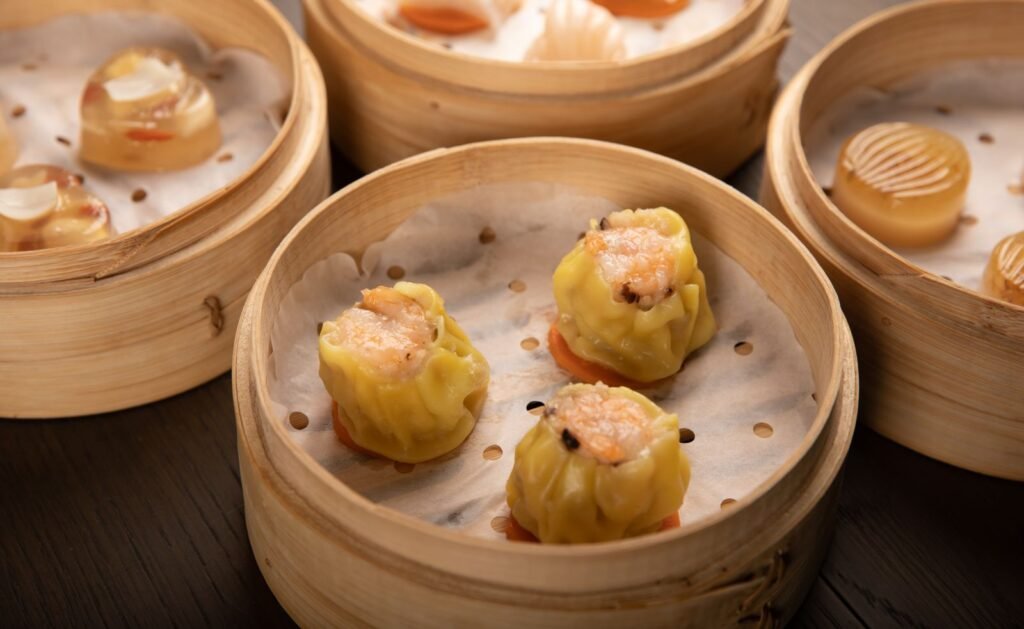
Pure vegetarian Chinese restaurants (identified by a yellow sign or the word 素食 / 全素) are common in KL. They serve mock meat dishes (tofu, soy protein, seitan made to resemble chicken, pork, and seafood), Buddhist clay pot dishes, and noodle soups. The mock meat quality varies but the good places are excellent — the mock duck is often genuinely impressive.
Chinatown (around Jalan Petaling and the back streets), Batu Caves (near the temple complex), and commercial areas in Subang Jaya and Cheras have strong concentrations. Lightcatcher Restaurant in Brickfields is a long-standing favourite.
Malay and Malaysian Food: What’s Vegetarian?
Traditional Malay food is harder for strict vegetarians because many dishes use belacan (shrimp paste) as a base, and meat or fish is present in most dishes. However:
Ulam (raw vegetable salads with sambal): Traditional and often vegetarian, though check if belacan is in the sambal.
Coconut-based dishes: Lemak dishes can sometimes be made meatless (vegetables in coconut curry).
Nasi campur: The mixed rice buffet format at many Malaysian restaurants lets you pick and choose — select only vegetable dishes. The sayur (vegetable) options are usually genuinely plant-based.
Dedicated Vegan and Plant-Based Restaurants
KL’s dedicated plant-based scene has grown significantly. Areas with high concentrations of vegan-friendly options:
Bangsar: Several cafes and restaurants with strong vegan menus, alongside the established vegetarian restaurant scene. Bangsar’s food scene generally caters well to dietary preferences.
Mont Kiara / TTDI: The expat-heavy residential areas have the highest concentration of cafes and restaurants with vegan menu items and labelled allergen information.
Bukit Bintang / KLCC: Shopping malls include chain restaurants with vegan options, and the concentration of international restaurants means plant-based choices are available.
Chow Kit market: The vegetable and fruit vendors here are extraordinary — a huge range of fresh produce, tropical fruit, and vegetables at low prices. Worth visiting for ingredients if you’re self-catering.
Supermarkets and Self-Catering
Jaya Grocer (multiple locations in KL, particularly in Bangsar and the Klang Valley suburbs) has the best range of organic, natural, and specifically vegan and vegetarian products. Ben’s Independent Grocer (BIG) in Publika is another option with good imported and health-food ranges. Cold Storage in mid-range malls has a reasonable selection.
Village Grocer in Bangsar Village II is well-stocked for vegetarian ingredients. Lotus’s (formerly Tesco) and Giant in suburban locations are larger and cheaper for basics.
Communicating Dietary Requirements in KL
In Chinese vegetarian restaurants, no explanation is needed — everything is vegetarian. In South Indian restaurants, similarly. In mixed restaurants, “no meat” (tarak daging) covers chicken, beef, and pork in Malay. “Tak makan daging, tak makan ikan” (don’t eat meat, don’t eat fish) is a useful phrase. For strict vegans, communicating “no eggs, no dairy” in addition is helpful: “Tak makan telur, tak makan susu.”
In practice, many waitstaff in KL speak enough English that explaining dietary requirements in English is workable. Apps like Google Translate with the camera function are useful for navigating menus in Chinese or Tamil.
Explore KL’s Food Scene
Stay in Brickfields or Bangsar to be closest to KL’s best vegetarian and vegan food scene. Agoda has great rates for KL hotels across all budgets.
Find KL Hotels →Managing money between the UK and Malaysia is much smoother with Wise — spend in ringgit at the real exchange rate without the bank’s markup on every meal and market purchase.
Get Wise →For apartments with kitchens in KL — useful if you want to self-cater with the incredible fresh produce from KL’s markets. Booking.com has good serviced apartment options.
Find KL Apartments →Some links are affiliate links. I earn a small commission if you sign up at no extra cost to you. I only recommend things I actually use.
Related Reading
Dairy is the awkward one here — cheese in particular takes some getting used to.
Why Malaysia Is Actually Great for Vegetarians
Three distinct food traditions in Malaysia produce excellent vegetarian food:
Indian vegetarian food — the South Indian Tamil community in Malaysia has maintained an entirely vegetarian food tradition. Indian vegetarian restaurants serve banana leaf rice (rice with curries, vegetables, dal, pappadom, and yoghurt, served on a banana leaf) that is hearty, cheap, and delicious. There are also South Indian tiffin options (idli, dosa, vada) and North Indian vegetarian dishes in the many Indian restaurants across KL.
Chinese Buddhist vegetarian food — Chinese Buddhist practice in Malaysia often involves periodic or permanent vegetarianism. Chinese vegetarian restaurants (usually marked in Mandarin or with green signs) serve imitation meat dishes made from tofu, gluten, and mushrooms that are sophisticated and deeply flavoured. These restaurants are typically very cheap and often extremely good.
Modern health food — KL has a growing health-conscious food culture that has produced cafes and restaurants explicitly serving plant-based food. These are concentrated in expat neighbourhoods (Bangsar, Mont Kiara, KLCC) and health-food-focused malls (Publika).
Where to Find Vegetarian Food
Indian Restaurants
The safest and most consistently excellent vegetarian food in KL. Banana leaf restaurants — look for “banana leaf rice” signs, particularly in Brickfields (Little India), Bangsar, and the Indian-heavy areas of PJ — serve complete vegetarian meals from around RM12–18. Restoran Sri Nirwana Maju in Bangsar is one of the most celebrated banana leaf restaurants in KL and worth the queue.
Most Indian restaurants in Malaysia also offer South Indian tiffin (idli, dosa, uttapam) which are inherently vegetarian. The mamak (Indian Muslim) restaurants that are open 24 hours are less comprehensively vegetarian but always have roti canai (flaky flatbread with vegetarian dhal) and vegetarian noodle options.
Chinese Vegetarian Restaurants
Look for restaurants with all-green signage or the Chinese characters for vegetarian (素食). These are common near Buddhist temples and in Chinese-majority areas. The food typically involves Buddhist-style mock meat dishes — braised gluten in various preparations, tofu in complex sauces, mushroom-based dishes — served with rice and soup. Prices are very low (RM6–15 for a full meal) and the cooking is often excellent.
Health Food Cafes
Bangsar has the highest concentration of plant-based cafes in KL — Botanica + Co, Real Food, and several others within walking distance of each other. Mont Kiara’s Publika complex has similar options. KLCC area has various health-oriented restaurants aimed at the professional lunch crowd. Expect to pay RM20–40 per head at these places — more than the Indian or Chinese vegetarian options but still affordable.
Malay Food — What Works
Traditional Malay cooking is not inherently vegetarian — meat and seafood are central. However, many traditional Malay dishes use sambal and vegetable preparations that are vegetarian, and rice with vegetable dishes is always available. The challenge is fish paste (belacan) and shrimp paste used in sambal and some vegetable dishes — these are present even when no visible meat is. Ask specifically about belacan if you’re avoiding all animal products. Nasi campur (mixed rice) stalls always have pure vegetable options alongside the meat dishes.
Specific Dishes to Know
Consistently Vegetarian
- Banana leaf rice — at Indian vegetarian restaurants
- Dosa and idli — South Indian rice/lentil dishes
- Char kway teow (vegetarian version) — ask for no cockles, eggs, lap cheong; many hawker stalls will adapt
- Vegetarian fried rice / fried noodles — available at almost any Chinese hawker stall on request
- Popiah (fresh spring rolls) — the fresh version, not the fried version, is vegetarian at many stalls
- Yong tau foo — tofu and vegetables in soup; some versions include fish paste but many stalls have clearly vegetarian options
- Roti canai with dhal — at mamak restaurants
Usually Vegetarian but Check
- Vegetable curries — may contain shrimp paste in the rempah
- Kangkung belacan (stir-fried water spinach) — almost always contains shrimp paste
- Laksa — curry laksa contains prawn stock; assam laksa contains mackerel
Veganism in KL
Strict veganism (no eggs or dairy) is more challenging in KL than vegetarianism but more achievable than in most Southeast Asian cities. Chinese Buddhist vegetarian restaurants are often fully vegan by default. Indian vegetarian food uses dairy (ghee, yoghurt) but can usually be prepared without it on request. The health food cafes in Bangsar and Publika explicitly cater to vegans. The key phrase is “no dairy, no eggs, no fish sauce” — in English this is widely understood in areas with expat clientele.
Useful Phrases
- Saya tak makan daging — I don’t eat meat
- Tiada daging — No meat
- Vegetarian — understood in English in almost all restaurants
- Tiada ikan bilis / belacan — No anchovies / shrimp paste (for stricter vegetarians)
- Tanpa telur — Without eggs
🌱 Plan Your Vegetarian KL Trip
Agoda
Stay in Bangsar for the best vegetarian restaurant access in KL — or KLCC for variety and convenience.
Find HotelsWise
Pay in ringgit at the real rate — vegetarian hawker meals in KL cost RM6-15. No conversion fees.
Open WiseSafetyWing
Expat health insurance for Malaysia — flexible monthly, covers you across the country.
Get SafetyWingSome links are affiliate links. I earn a small commission if you sign up at no extra cost to you. I only recommend things I actually use.