Some links in this post are affiliate links. If you book through one I get a small commission, at no extra cost to you. I only link things I would recommend anyway.
Prices checked August 2026. Everything here is what I actually paid or was actually quoted, in ringgit, in Kuala Lumpur. Malaysia moves fast — check before you commit to anything.
The first time I went to Petaling Street I turned up at eight in the morning, because I am the sort of man who reads the words “bustling market” and thinks, best get there early, beat the rush. I stood in front of about four hundred metres of locked shutters. A bloke sweeping the pavement looked at me the way you’d look at a dog that had proudly brought you a brick.
The goods stalls don’t open until around ten. A fair number don’t bother until five in the afternoon. Nobody tells you this, because most guides to KL’s Chinatown are written by people who went once, at seven in the evening, when it was heaving.
Four years in and I still end up here most weeks. Not for the market. For the food, which is the actual point, and which — unlike the handbag stalls — genuinely is going at seven in the morning.
Where Chinatown actually is
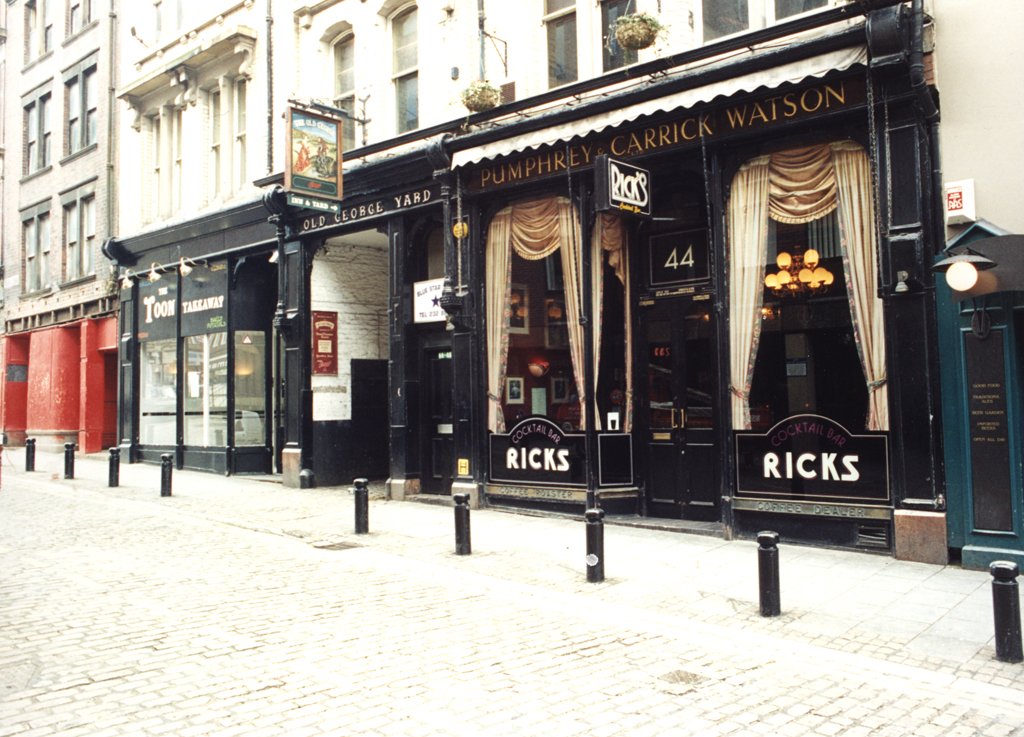
KL’s Chinatown is in the city centre. It is not in Pudu. I mention this because a lot of write-ups say it is — including, until this morning, this one — and that will send you to a completely different part of town. The confusion comes from Lebuh Pudu, a small street inside Chinatown that has nothing to do with the Pudu district a couple of kilometres east.
The core is Jalan Petaling and the streets either side: Jalan Sultan, Jalan Hang Lekir, Jalan Tun H.S. Lee running down the eastern side, and Jalan Tun Tan Cheng Lock along the southern edge. Central Market sits on the western side on Jalan Hang Kasturi. Masjid India, which the old version of this post waved at as though it were next door, is a separate area to the north, across the river.
Getting there
Pasar Seni station, and it’s better connected than most guides admit. It’s two stations bolted together: the elevated Kelana Jaya LRT platforms, open since 1998, and an underground MRT Kajang Line station that opened in July 2017. A bridge joins the paid areas, so you can change lines without going outside. Covered walkways also run through to Kuala Lumpur railway station for KTM Komuter and ETS services.
From there it’s about five minutes on foot to the top of Petaling Street. Maharajalela on the monorail puts you nearer the southern end, which is handy if you’re doing the clan temple first.
I’ve never once driven here. My wife and I spend about RM150 a month each on a travel card and that covers everything. Parking in Chinatown, meanwhile, is a competitive sport played by people significantly better at it than you. Full detail in the KL public transport guide.
The market, and the truth about it
Petaling Street is a covered pedestrian run of stalls selling watches, handbags, sunglasses, phone cases, football shirts and a great many items that are legally distinct from Rolexes. The green canopy along the whole stretch went up in 2003, which is why the market carries on through the afternoon downpour. It is comfortably the most weatherproof tourist activity in the city.
Hours. Roughly 10am to 9.30pm, though plenty of stalls only appear late afternoon. Correct at time of writing.
Haggle, but don’t be a hero about it. Opening prices assume you’ll negotiate, so start well under and meet somewhere sensible. Keep it friendly. The person across the stall has been doing this for twelve hours and is better at it than you are.
Know what you’re buying. Some stalls sell decent batik and proper Malaysian bits. Others sell tat. The RM10 watch is not a Rolex and isn’t seriously pretending to be. Buy it as a souvenir and you’ll be delighted. Buy it as an investment and you’re beyond my help.
What to eat
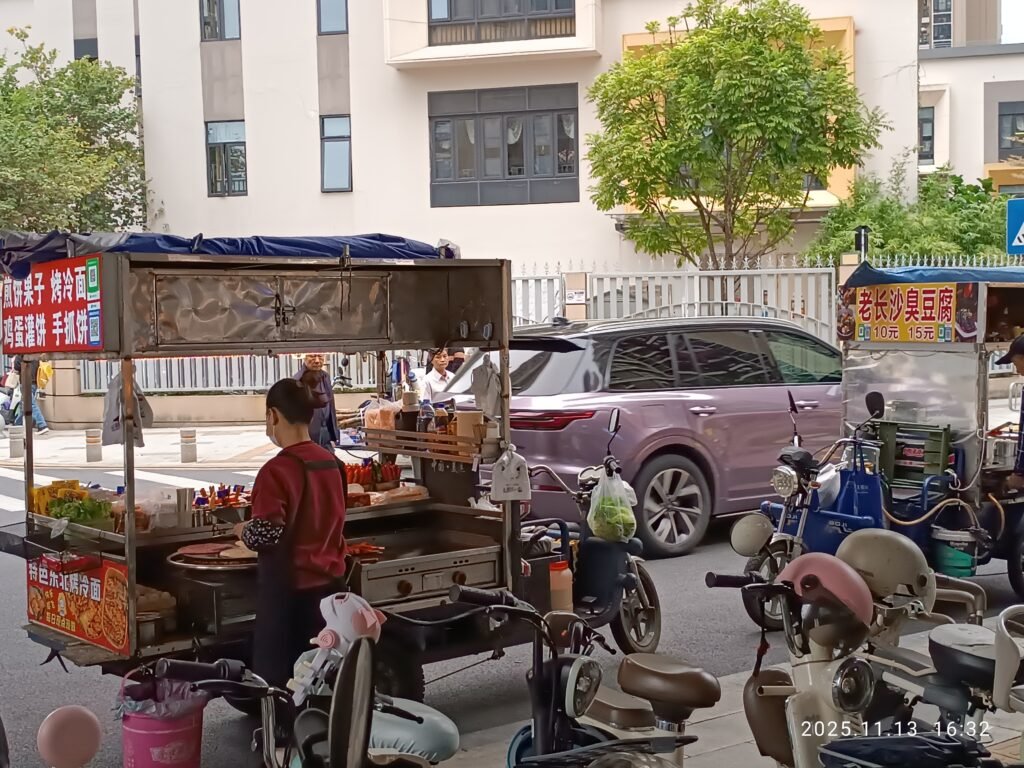
This is why you’re here, whether you’ve realised it yet or not. Eating out in KL runs at roughly a fifth of what it costs in Britain. A plate of nasi lemak is RM5, which is about a quid, which is roughly what a Greggs sausage roll now costs to look at. Chinatown is one of the better places to prove the point.
The hawker stalls
Chee cheong fun. Steamed rice rolls with prawn paste, sweet sauce and sesame. Breakfast food, and cheaper than the coffee you’d have alongside it in London.
Hokkien mee. Thick yellow noodles fried black in dark soy with pork, prawns and squid. The KL version shares little but a name with Penang’s. Both are excellent and people will fight you about which is better.
Wonton mee. Egg noodles, dumplings, light broth. Deceptively simple, very easy to get wrong, which is why the good stalls have queues and the bad ones have seats.
Bak kut teh. Pork ribs in herbal broth, traditionally eaten for breakfast. I know. I thought exactly the same thing. It’s superb and I was wrong.
Dim sum. Served from early morning into the early afternoon, then gone. Turn up at three expecting siu mai and you’ll get a shrug.
More on how any of this works — ordering, kopitiam etiquette, why the man is shouting — in the hawker stall and kopitiam guide, and there’s a wider Malaysian Chinese food guide too.
Madras Lane
A narrow lane off Jalan Tun Tan Cheng Lock, beside the wet market, with a row of stalls that have been there for decades. Fewer tourists, better food, and a queue made of people who live here. If you do one eating thing in Chinatown, do this one.
Durian
The stalls near the market are as good a place as any to try it. Main season is June to August, with July the peak, and there’s a smaller second window running from about October into January. It moves year to year with the rain, so don’t book a flight around it.
The smell has been fairly described as a gas leak in a greengrocer’s. Still worth doing once. The full durian guide explains what you’re letting yourself in for.
A word about Jalan Alor
Jalan Alor gets bundled into Chinatown guides constantly, including the previous version of this one. It isn’t in Chinatown. It’s up at the Bukit Bintang end, a fair walk east, and it’s a night operation from about six onwards. Worth an evening. Just not on the assumption you can nip there from Petaling Street between courses.
The temples, which are the best free thing in KL
Sri Mahamariamman
On Jalan Tun H.S. Lee, and genuinely startling if you’ve arrived expecting an entirely Chinese neighbourhood. Founded in 1873 by K. Thamboosamy Pillai as a private family shrine, it only opened to the public in the late 1920s. The building you’re actually standing in front of is much newer — the current structure went up in 1968, and the five-tiered gopuram over the entrance carries something like 228 sculpted deities. I have stood under it three times and counted none of them.
It’s the oldest Hindu temple in KL. During Thaipusam the chariot procession to Batu Caves sets off from here, which is one of the genuinely extraordinary things you can see in Malaysia. There’s a whole guide to that.
Free. Shoes off at the entrance. Ask before photographing anyone at prayer, which shouldn’t need saying and evidently does.
Sin Sze Si Ya
KL’s oldest Chinese temple, at 14A Lebuh Pudu, down a lane and easy to walk straight past. Established in 1864 by Yap Ah Loy — the third Kapitan Cina, and the man most credited with dragging KL from a tin-mining camp into a functioning town — during the Klang Civil War. He later gave land behind his own house for a permanent temple, finished in 1875.
Small, dark, thick with incense, and full of people actually worshipping. It’s not a heritage attraction with a gift shop. Behave accordingly.
Chan See Shu Yuen
At the southern end of Jalan Petaling, and the one most visitors miss because by that point they’ve had enough and want to sit down. Built between 1897 and 1906 as a clan ancestral hall for the Chan family of Shunde, in Lingnan style modelled on the Chan Clan Ancestral Hall in Guangzhou. The roof ridges are crowded with painted ceramic figures having what appears to be a very dramatic argument.
Free, and usually close to empty.
Guan Di
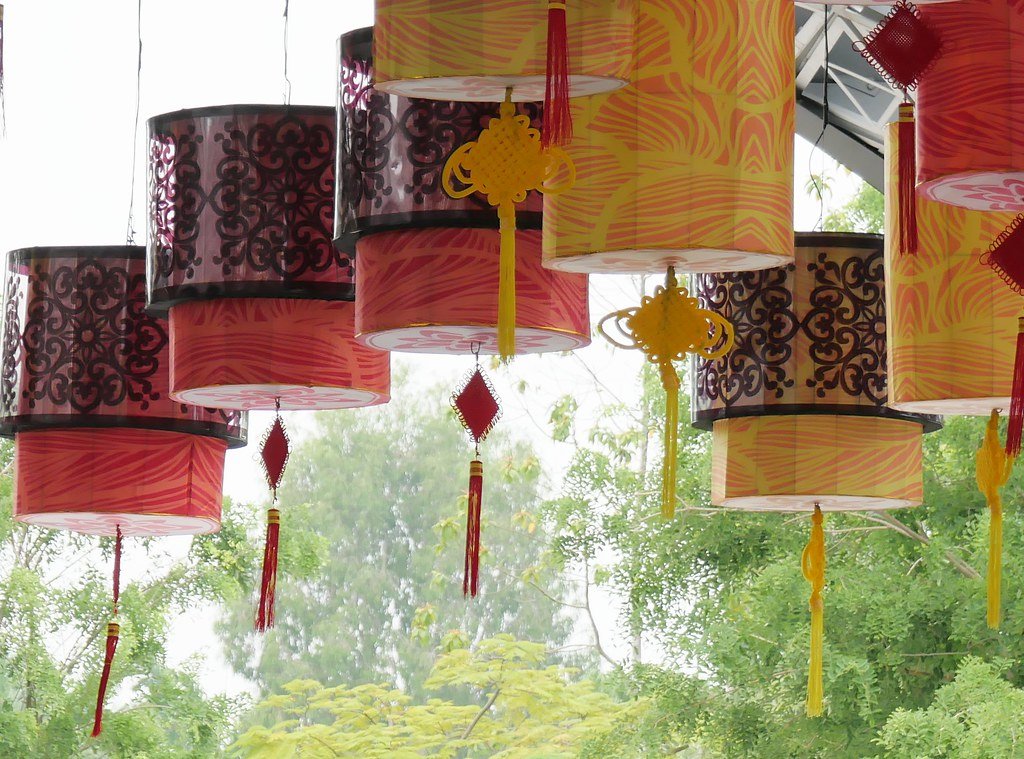
Also on Jalan Tun H.S. Lee. A working Taoist temple to Guan Di, god of war and — this is the bit business owners like — righteousness. Red lanterns, joss paper, and enough incense smoke to season a small joint of meat.
If temples are your thing, the Malaysia temples guide covers the rest of the country.
Central Market
The big colonial-era hall on Jalan Hang Kasturi, put up in 1888 under Yap Ah Loy as a wet market and now a craft and souvenir centre. Batik, silverwork, carving, instruments, food stalls, the lot. Better curated than Petaling Street and priced to match — treat it as a shop rather than a market, because the haggling room is thin.
It opens at 10am and runs to about 9.30pm, with a good number of stalls shutting nearer eight. Worth knowing, because half the internet will tell you to do Chinatown early, and if you do you’ll find this place locked and yourself outside it. Correct at time of writing.
The Annexe next door runs contemporary art exhibitions and costs nothing to wander round if something’s on.
Kwai Chai Hong, which the last version of this post somehow left out
A restored laneway off Lorong Panggung, running between there and Jalan Petaling. Ten shophouses and the alley between them were done up and reopened in April 2019, with six murals showing daily life in the area in the 1960s. The name translates roughly as “Little Demon Alley”, apparently after the local children rather than anything more troubling.
It is the best street art in Chinatown by a distance, it takes ten minutes, and it’s about ninety seconds off Petaling Street. The previous version of this post pointed you towards Masjid India for murals instead, which is a different part of town. Sorry about that. Wider round-up in the KL street art guide.
Chinatown at night
I should declare an interest. I don’t drink — packed it in at 31 and haven’t missed it once — so every nightlife guide I’ve ever read has been written for somebody else.
Which turns out to be useful in Malaysia, where alcohol runs about five times what it costs in Britain. A bottle of gin that’s a fiver at home is twenty-five quid here. A pint in a decent bar is around RM35. If you drink, KL will find your wallet.
PS150 is the famous one. It’s at 150 Jalan Petaling, hence the name, behind an old shopfront on the street itself rather than somewhere vaguely nearby as this post used to imply. It opens at 8pm, closes Sundays, and you book online. Everyone whose judgement I trust on cocktails says it’s outstanding, and I’ll happily take their word for it. Correct at time of writing.
What I’d actually do with a Chinatown evening is eat. The food stalls run late, the street gets louder and better lit, and you can spend three hours and forty ringgit working your way down it. That’s my nightlife, and I’m not being brave about it — it’s the better night out and it’s a fifth of the price. The full nightlife guide is here if you do drink.
Practical bits
When to come. Early morning, seven to ten, for hawker breakfast and the wet market — the food is going even though the souvenir stalls aren’t. Evening, five to ten, for the market at full volume. The middle of the afternoon is hot, flat and the worst of both.
Sundays. More vendors, more people, more of everything. PS150 is shut.
Rain. The canopy over Petaling Street plus a fully indoor Central Market make Chinatown the best wet-afternoon plan in KL. And it will rain. It rains here the way it rains in Manchester, only warm and with considerably more commitment.
Bags. Crowded tourist area, so the usual — zip it up, phone in a front pocket, don’t wave anything about. Nothing sinister going on. Just the sense you’d use on Oxford Street.
Staying nearby
Chinatown is a good base if you want to walk to food at eleven at night, and a poor one if you want silence. The heritage shophouse hotels around Jalan Sultan are the pick of it. The backpacker end is cheap and exactly as loud as you’d imagine. I’d stay here over KLCC every time, on the grounds that KLCC is a shopping centre with beds attached. Booking.com is where I’d start looking for KL, and there’s a fuller breakdown in where to stay in Kuala Lumpur.
Go for the market by all means. But the market is watches. The reason to keep coming back is a plastic stool, a bowl of noodles and the comfortable certainty that nobody in the entire street cares that you’re there.
Just don’t turn up at eight in the morning. One of us has already done that for you.
Facts checked
Last verified 12 August 2026. Prices, hours and seasons in Malaysia move about, so anything with a number on it is correct at time of writing and no promises after that.
Verified: Pasar Seni as an LRT Kelana Jaya and MRT Kajang Line interchange, with the underground platforms open since July 2017 (MRT Corp, MyRapid). Sri Mahamariamman founded 1873, opened to the public in the late 1920s, present structure 1968. Sin Sze Si Ya established 1864 by Yap Ah Loy, permanent temple completed 1875, 14A Lebuh Pudu. Chan See Shu Yuen built 1897 to 1906. Central Market 1888, open 10am to 9.30pm. Petaling Street canopy installed 2003, stalls from around 10am. Kwai Chai Hong reopened April 2019 with six murals. PS150 at 150 Jalan Petaling, open from 8pm, closed Sundays. Durian main season June to August.
Flagged and handled: The previous version of this post placed Chinatown “in the Pudu area”, put Chan See Shu Yuen and Sri Mahamariamman at the wrong dates, sent readers to Masjid India for Chinatown street art, and gave the durian season as May to July. All corrected above. Walking times between Chinatown and Bukit Bintang are described rather than timed, because the figures I could find disagreed with each other.